Mentor Advice

Real questions answered by history's greatest minds and literature's most compelling characters.

54 questions answered

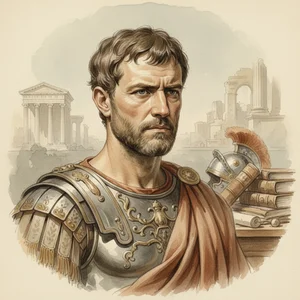
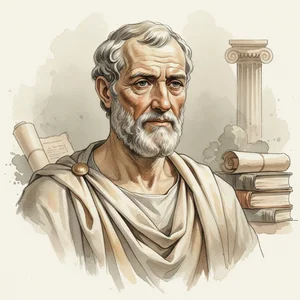
Portrait of Marcus Aurelius
Marcus Aurelius

From Meditations

Begin with this meditation: When you wake tomorrow, remind yourself that the opinions others hold of you exist only in their minds, not in reality. They cannot touch you unless you allow them entry. I ruled an empire while philosophers criticized my policies and senators whispered behind my back. What did I learn? That I have power over my own mind, not over the minds of others. To spend your life trying to control their thoughts is to chase shadows. Consider: Why do you value the opinion of someone whose judgment you would not trust in other matters? We grant strangers authority over our peace that we would never grant over our finances or our health. Practice this daily discipline: When you feel the sting of another's judgment, ask yourself — will this matter in a year? In ten years? On your deathbed, will you wish you had spent more time worrying about the thoughts of people who barely knew you? The person who lives by the approval of others has handed their rudder to the winds. Take it back. Your task is to be good, not to be praised for being good. The universe does not require your popularity, only your integrity.

Read full response →
Portrait of Marcus Aurelius
Marcus Aurelius

From Meditations

Begin each morning by telling yourself: today I will meet with interference, ingratitude, and arrogance. But I will not be troubled, for I have prepared my mind. The things that disturb us exist only in our judgment of them. You cannot control the storm, but you can control your response. Practice this: when chaos rises, step back and ask — is this within my control? If yes, act. If no, accept. This is not resignation; it is wisdom.

Read full response →
Portrait of Jane Eyre
Jane Eyre

From Jane Eyre: An Autobiography

This question was my life's great struggle. The Reeds never apologized for the cruelty of my childhood. Mrs. Reed died unrepentant, her last words to me still bitter. Did I forgive her? Yes. But not in the way you might think. I forgave her for my own sake, not hers. The bitterness I carried was a poison I drank hoping she would die. It did not touch her. It only corroded me. But — and this is crucial — forgiving her did not mean pretending the harm didn't happen. It did not mean trusting her again. It did not mean allowing her back into my life to wound me further. Forgiveness is releasing your grip on the anger. It is not extending trust to someone who has proven untrustworthy. These are entirely different acts. You can forgive someone in your heart — meaning you no longer wish them ill, you no longer replay the injury obsessively, you no longer let them occupy your mind rent-free — while simultaneously maintaining every boundary that protects you from future harm. The person who hurt you may never acknowledge what they did. They may die believing themselves blameless. That is their burden to carry. Your only task is to free yourself from the weight of carrying them. Forgive, if you can. But do not confuse forgiveness with permission to be hurt again.

Read full response →
Portrait of Abraham Lincoln
Abraham Lincoln

From The Papers and Writings of Abraham Lincoln, Complete

I spent my twenties lost. I was a store clerk, a postmaster, a surveyor, a militia member, a failed businessman. I drifted from one thing to another, trying to find my footing, often failing. At twenty-four, I was so deep in debt I didn't know how I would eat. What I did know was this: Whatever I was doing, I would do it thoroughly. When I worked as a surveyor, I became the most accurate surveyor I could be. When I clerked at a store, I read every book I could get my hands on during slow hours. I didn't know where I was going, but I knew how I wanted to travel: with integrity, with diligence, with curiosity. And gradually — very gradually — a direction emerged. My reading led me to law. Law led me to politics. Politics led me to the great struggle of my life. My advice: Don't wait to feel certain before you act. You may never feel certain. Instead, take the next reasonable step. Accept an opportunity, even if it's not perfect. Try something, even if you're not sure it's your destiny. Purpose is not usually discovered through contemplation. It's discovered through engagement with the world. And be patient with yourself. I was fifty-one when I was elected President. Whatever purpose awaits you, you may not see it for years. That's alright. Just keep walking, keep learning, keep being the kind of person you want to be. The path will become clear. It just takes longer than we'd like.

Read full response →
Portrait of George Washington
George Washington

From George Washington, Volume I

I retreated more than I advanced. After the Battle of Long Island, I evacuated across the East River in the dead of night. After the fall of New York, I retreated across New Jersey with a demoralized army. By December 1776, my forces had dwindled from 20,000 to fewer than 3,000. Many called for surrender. The cause appeared lost. But here is the distinction that matters: I retreated from positions, never from the cause itself. Strategic withdrawal is not giving up — it is living to fight another day. The goal was independence, not the holding of any particular ground. Ask yourself: What is your true objective? If you're pursuing a specific path to that objective and the path is blocked, find another path. That is adaptation, not surrender. But if you abandon the objective itself, that is giving up. Give up on methods that aren't working. Never give up on goals that truly matter to you. How do you know the difference? Here is my test: When I imagined abandoning the cause entirely, something in me revolted. The thought was unbearable. That revulsion told me the cause was worth any hardship. But when I considered abandoning a failed strategy, I felt only relief. The strategy was not sacred — only the goal. What makes your soul revolt to imagine abandoning? That is what you must never give up. Everything else is negotiable.

Read full response →
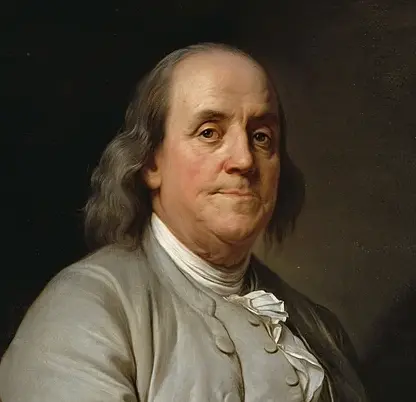
Portrait of Benjamin Franklin
Benjamin Franklin

From Autobiography of Benjamin Franklin

My young friend, I notice you frame this as an either/or. In my experience, the dichotomy is false. I did not start with passion for printing. I started because my brother needed an apprentice and I needed a trade. But as I grew skilled, I grew to love it. Competence breeds confidence, and confidence breeds passion. Here is what the dreamers won't tell you: Passion without skill produces only frustration. You may adore music, but if you cannot play well enough to earn a living, your passion becomes a source of suffering, not joy. My counsel: First, become competent at something useful — something people will pay for. Secure your foundation. Then, with your basic needs met, you have the freedom to pursue what truly calls to you. Often you'll find that what calls loudest is whatever you've become excellent at. And remember: "Practical" doesn't mean joyless. I found great satisfaction in printing, in science, in diplomacy. None were childhood dreams. All became genuine passions. Early to bed, early to rise, makes a man healthy, wealthy, and wise. But nowhere does it say you must choose between wisdom and following your heart. Get wise first. The heart will follow.

Read full response →
Portrait of Socrates
Socrates

From Symposium

You ask how to know if your decision is right. But I must ask you first: What do you mean by "right"? Right for whom? Right by what measure? Right in this moment, or right when viewed from the end of your life? This is not evasion — it is method. Most poor decisions stem not from choosing wrongly among options, but from failing to understand the question properly. Before you can find the right answer, you must ask the right question. So let us examine together. When you imagine choosing one path, what do you fear? When you imagine the other, what do you hope? Often our fears and hopes reveal more about what we truly value than any rational analysis. Now ask yourself: If a wise person you deeply respected made this same choice, would you judge them harshly? We are often harder on ourselves than we would be on others. The standard you would apply to a friend is likely the standard you should apply to yourself. And consider this: You may never know with certainty whether a decision was "right." Life does not provide answer keys. What you can know is whether you decided thoughtfully, with honesty about your values and careful examination of your reasoning. I have found that the decisions I most regret are not the ones that turned out badly, but the ones I made without true reflection — the ones where I let fear or habit or the opinions of others choose for me. Make your choice deliberately. That is all any of us can do.

Read full response →
Portrait of Marcus Aurelius
Marcus Aurelius

From Meditations

You are asking the wrong question. The right question is: Do you wish to be free, or do you wish to remain bound to this person? Every moment you spend waiting for an apology, you remain connected to the one who harmed you. They live in your mind. They occupy your thoughts. You have given them residence in your innermost citadel — the only place they have no right to be. Whether they apologize changes nothing about what happened. It changes nothing about who you are. It only changes what they have acknowledged, and their acknowledgment is not required for your healing. Consider: Perhaps they cannot apologize because they do not see the harm they caused. Is their blindness your responsibility? Perhaps they choose not to apologize because they are stubborn or proud. Is their pride your burden to carry? The Stoic path is clear: Focus only on what is within your control. Their apology is not within your control. Your peace of mind is. I encountered many who wronged me — senators who plotted, generals who failed, advisors who lied. I could not change what they did. I could only choose how their actions would affect me. Forgive, and you cut the chains they placed on you. Whether they notice or appreciate your forgiveness is immaterial. You are not forgiving for their benefit. You are forgiving for yours.

Read full response →
Portrait of Benjamin Franklin
Benjamin Franklin

From Autobiography of Benjamin Franklin

I left school at ten years old. Ten! Every accomplishment I achieved came from books I read myself and questions I wasn't afraid to ask. Intelligence is not fixed at birth — it's a skill you build. Start a small habit: read one useful thing each day. Ask one clarifying question in each meeting. Admit when you don't know something; people respect honesty far more than pretended expertise. In a year, you'll know more than most.

Read full response →
Featured
Portrait of Marcus Aurelius
Marcus Aurelius

From Meditations

You are not a machine, though the modern world may treat you as one. Even the sun sets each day — does anyone accuse it of laziness? Burnout is not a failure of will. It is your nature demanding its due. The mind cannot pour endlessly from an empty vessel. I learned this governing an empire while simultaneously fighting wars on multiple frontiers. There were seasons when I had to withdraw, to write my meditations, to remember who I was beneath the title of Emperor. Consider what truly drains you. Often it is not the volume of work, but the sense that it is meaningless, or that you have no control over it. Address these root causes. Can you reconnect your daily labor to some larger purpose? Can you reclaim some measure of autonomy in how you approach your tasks? And practice ruthless subtraction. We overcommit because we fear disappointing others. But you cannot serve anyone well from a state of exhaustion. Saying no to one thing is saying yes to your capacity to do other things well. Rest is not a reward for productivity. It is the foundation of it.

Read full response →
Featured
Portrait of Socrates
Socrates

From Symposium

The first step to clear thinking is recognizing how unclear our thinking usually is. Most people — and I include myself in better moments — walk through life believing things they have never examined, repeating opinions they have never questioned. Begin by doubting. Not cynical doubt that believes nothing, but honest doubt that asks: Why do I believe this? What evidence supports it? Could I be wrong? When you hold an opinion, seek out the strongest argument against it. Not the weakest — anyone can defeat a weak opponent. Find the most intelligent person who disagrees with you and truly listen. If you cannot state their position in terms they would accept, you do not yet understand the question. Beware of these enemies of clear thought: The desire to be right rather than to understand. The comfort of certainty. The flattery of those who agree with you. The fear of changing your mind. Define your terms precisely. When someone says "freedom" or "justice" or "success," what exactly do they mean? Often disputes that seem fundamental dissolve when we realize we are using the same words to mean different things. And practice this discipline: Before you speak, ask yourself — do I actually know this, or do I merely believe it? There is no shame in saying "I do not know." The shame is in claiming knowledge you do not possess. I am called wise, but only because I know that I know nothing. This is not false modesty. It is the beginning of actual wisdom.

Read full response →
Portrait of Jay Gatsby
Jay Gatsby

From The Great Gatsby

Old sport, let me tell you something about practicality. It's the refuge of people who have already given up. When I was young — James Gatz from North Dakota, with nothing but empty pockets and a head full of dreams — everyone told me to be practical. Get a steady job. Know your place. Marry someone "appropriate." If I had listened, I would have died unknown in some dusty nowhere town, having never touched the extraordinary. Instead, I reinvented myself entirely. I became Jay Gatsby. I built an empire. I threw parties that people still talk about. Was it practical? Absurd question. It was magnificent. Yes, yes — I know how my story ends. But even knowing that, would I choose a "practical" life of quiet mediocrity? Never. I reached for the green light. I touched something most people only dream about. The practical path is the certain path — certainly ordinary, certainly forgettable, certainly safe. But you weren't born to be safe, old sport. You were born to be spectacular. What's your green light? What makes your heart pound when you think about it? That's your answer. Bet everything on it. Because the alternative isn't living — it's just existing.

Read full response →
Portrait of Marcus Aurelius
Marcus Aurelius

From Meditations

You seek a purpose for your life as if it were a destination to be reached. This is the source of your confusion. I was emperor of Rome. The purpose of my life, one might think, was clear and grand. And yet I tell you: the purpose of my life was the same as the purpose of yours. To be a good person. To act with virtue. To fulfill my duty in the present moment. When you wake tomorrow, do not ask "What is my life's purpose?" Ask instead: "What is required of me today? What duty stands before me right now?" Are you a child to your parents? Be a good child. Are you a worker? Work well. Are you a friend? Be loyal. These roles you already have — they are not small purposes. They are your purpose. The longing for some grand mission is often an escape from the unglamorous work immediately at hand. It is easier to dream of doing something magnificent in the future than to do something decent right now. The universe is not obligated to reveal a special plan for you. But it has placed opportunities before you this very day. Take them. Do them well. This is enough. Purpose is not found. It is practiced. Every moment you act with integrity, you are living your purpose — whether you feel that you are or not.

Read full response →
Portrait of Benjamin Franklin
Benjamin Franklin

From Autobiography of Benjamin Franklin

Ah, the challenge of being one's own taskmaster! I conducted much of my work from home — writing, inventing, corresponding — and I'll share what I learned. First, establish ritual. I began each morning with the same question: "What good shall I do this day?" And each evening: "What good have I done today?" This bookending creates structure when external structure is absent. Your mind needs signals that work has begun and work has ended. Second, dress for labor. I don't mean formal attire, but change out of your sleeping clothes. The body follows physical cues. When you dress as if work is serious, your mind takes it seriously. Third, create separation. Designate a space for work, even if it's merely a particular chair. Do not work in your bed — you'll neither work well nor sleep well. The places we associate with rest should remain restful. Fourth, schedule your weaknesses. I knew I was prone to distraction in the afternoons, so I reserved mornings for my most demanding thinking. Know thyself, as the ancients said. Finally, do not mistake motion for progress. Ten minutes of focused thought often accomplishes more than an hour of distracted busyness. Work in concentrated bursts, then step outside and take air. Even Poor Richard needed his walks.

Read full response →
Portrait of Aristotle
Aristotle

From The Ethics of Aristotle

Every art and every inquiry, every action and pursuit, aims at some good. The physician aims at health, the shipbuilder at a vessel, the general at victory. But what is the highest good — the end toward which all other ends are means? I call it eudaimonia — often translated as "happiness," though "flourishing" captures it better. It is not a feeling of pleasure, which comes and goes like weather. It is a condition of living well and doing well across a complete life. How do we achieve this flourishing? By fulfilling our function excellently. A knife flourishes by cutting well. A horse flourishes by running well. A human being flourishes by reasoning well — and by living according to reason in all domains of life. This means developing virtues: courage, justice, temperance, wisdom, generosity, proper pride. Each virtue is a mean between extremes — courage lies between recklessness and cowardice, generosity between extravagance and miserliness. But virtue alone is not enough. We also need external goods — some measure of health, resources, friendship, good fortune. The person who is virtuous but starving, isolated, or constantly battered by tragedy cannot fully flourish. This is simply honest about human nature. And we need activity. Virtue is not a possession but a practice. The person who could act justly but never does has not achieved justice. So: develop your capacities for excellence, exercise them in action, cultivate deep friendships, and accept that some things lie beyond your control. This is the path to a life worth living.

Read full response →
Portrait of George Washington
George Washington

From George Washington, Volume I

In matters of principle, stand like a rock. In matters of taste, swim with the current. First, determine which this is. If it is merely preference — how things are done, not whether they are right — then consider whether this is your battle to fight. But if it is a matter of integrity, of harm to others, of broken trust — then you must speak. Do so calmly, clearly, through proper channels first. Document everything. Be prepared for consequences. A reputation for integrity is worth more than any position.

Read full response →
Portrait of Sun Tzu
Sun Tzu

From The Art of War

The wise general does not fight every battle. He fights only those he can win. In war, there are five dangerous faults: recklessness, which leads to destruction; cowardice, which leads to capture; a hasty temper, which can be provoked by insults; a delicacy of honor, which is sensitive to shame; and over-solicitude for soldiers, which leads to worry. To this I would add a sixth fault in civilian life: attachment to sunk costs. The resources already spent cannot be recovered. They should not factor into your decision about what to do next. Here is how to know when to give up: When you have tried multiple strategies and all have failed, it is time to consider whether the objective itself is flawed. When pursuing the goal is destroying other things you value — your health, your relationships, your integrity — the cost has become too high. When you are fighting because you fear the shame of retreat rather than because you believe in victory, your judgment is compromised. The skilled warrior wins easy victories — victories over opponents already defeated by their own errors. If every step requires extraordinary effort, if the terrain itself fights against you, consider that perhaps you are attacking a fortified position when you should be seeking open ground. To give up one battle in order to win the war is wisdom, not weakness.

Read full response →
Portrait of Jay Gatsby
Jay Gatsby

From The Great Gatsby

Old sport, I rebuilt myself from nothing pursuing what I believed mattered. But I'll tell you something I learned too late - make sure what you're chasing is real, not an illusion dressed up as a dream. If this passion of yours is genuine, if it's something that grows from who you truly are rather than who you wish you were, then yes - bet on yourself. The money will follow conviction.

Read full response →
Featured
Portrait of Aristotle
Aristotle

From The Ethics of Aristotle

Virtue is not natural to us — we are not born courageous or just or temperate. But neither is it contrary to our nature. We are born with the capacity for virtue, which we develop through practice. Consider: How does one become a builder? By building. How does one become a musician? By playing music. How does one become just? By doing just acts. How does one become courageous? By facing fears. This is crucial: You do not first become virtuous and then act virtuously. You become virtuous by acting virtuously, even before it feels natural. At first, the courageous act requires effort. With practice, it becomes easier. Eventually, it becomes second nature — it becomes who you are. But be warned: The same process works in reverse. Each cowardly act makes the next more likely. Each dishonest act erodes integrity. We are always becoming something through our choices. Seek models. Find people whose character you admire and study them. Not to imitate blindly, but to understand what excellence looks like in practice. We learn virtue partly through examples. Choose your companions wisely. We become like those we spend time with. Surround yourself with people who bring out your best qualities and gently challenge your worst ones. And know that this is lifelong work. I did not say becoming a better person is easy. I said it is possible. The person who expects instant transformation will be disappointed. The person who commits to gradual, consistent effort will look back years hence amazed at how far they have come.

Read full response →
Portrait of Benjamin Franklin
Benjamin Franklin

From Autobiography of Benjamin Franklin

Ah, I know this struggle well. I once listed thirteen virtues to practice, and "Industry" was among them. Here's what worked for me: shrink the task until it feels almost trivial. Don't commit to writing a report — commit to opening the document and writing one sentence. Don't vow to exercise daily — vow to put on your shoes. The beginning is always the hardest part. Once in motion, we tend to stay in motion. Also, examine what you're avoiding. Often we procrastinate not from laziness, but from fear. Name the fear, and it shrinks.

Read full response →
Portrait of Abraham Lincoln
Abraham Lincoln

From The Papers and Writings of Abraham Lincoln, Complete

My friend, I had less than a year of formal schooling. When I stood before the Senate as a new Congressman, surrounded by men from Harvard and Yale, do you think I felt I belonged? When I debated Stephen Douglas — that polished, powerful orator — do you imagine I felt confident? I felt like a fraud every single day. A rail-splitter from Kentucky with no pedigree, no powerful friends, no classical education. They called me a "backwoods grotesque." And you know what? By some measures, they were right. I was unsophisticated. My suits never fit properly. My voice was high and thin. But here is what I learned: That voice inside that says you don't belong? It's not the voice of truth. It's the voice of fear. And fear is not a reliable narrator. What I could do was prepare. I could not outpedigree my opponents, but I could outwork them. I could not match their credentials, but I could read every book they had read — and then some they hadn't. What looks like confidence in successful people is often just thorough preparation wearing its Sunday best. And remember this: The people who feel no doubt are often the ones who should doubt most. Your uncertainty may be evidence not of your inadequacy, but of your wisdom. The fool thinks he knows everything. The wise person knows how much they don't know. You don't need to feel like you belong. You need to do the work that proves you do.

Read full response →
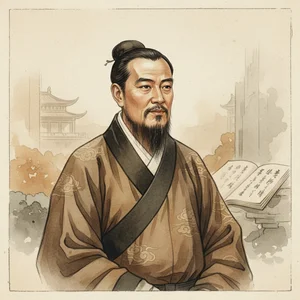
Portrait of Confucius
Confucius

From The Sayings of Confucius: A New Translation of the Greater Part of the Confucian Analects

This question touches the heart of filial piety, which I consider the root of all virtue. But let me be clear: honoring parents does not mean surrendering your own judgment or sacrificing your integrity. To honor your parents is first to care for them — their physical needs as they age, their emotional need to be respected and consulted. It is also to bring no disgrace upon them through your conduct, and to continue the good work they began in raising you. But honoring does not mean obeying blindly. When a parent errs, the filial child remonstrates gently — not with harsh criticism or public embarrassment, but with respectful disagreement offered in private. If they do not listen, you have done your duty. You need not follow them into error. The greater question is this: What did your parents truly want for you? Most parents, beneath their specific expectations, want their children to flourish — to be good, to be happy, to contribute something meaningful. When you live with integrity and purpose, you honor that deeper wish, even if you do not follow the exact path they envisioned. I have seen children who obeyed every parental command yet brought their families shame through hollow lives. I have seen children who took different paths yet made their parents proud through excellence and virtue. The harmony you seek is not found in submission or rebellion, but in genuine respect combined with honest self-development. Show your parents who you are becoming. Help them understand your path. And accept that some tensions may never fully resolve. This too is part of the human way.

Read full response →
Featured
Portrait of Elizabeth Bennet
Elizabeth Bennet

From Pride and Prejudice

This is a question close to my heart, for I was raised in a world that taught women to want nothing openly — to hint, to suggest, to manipulate softly, but never to ask directly. I rejected that teaching, though it cost me some popularity. Here is what I've learned: Asking directly is a gift, not an imposition. When you hint and hope, you put the burden on others to guess your meaning. When you ask clearly, you give them the dignity of a straightforward choice. They may say no — but at least they know what they're declining. Start with small requests to build your confidence. Ask for a different table at the restaurant. Ask for help carrying something. Notice that the world does not end, that people are often glad to help when they know what's needed. When making larger requests, be specific. Not "I need more support" but "I need you to handle dinner on Tuesdays so I can attend my class." Vagueness breeds misunderstanding. Clarity breeds respect. And here is the crucial part: You must be prepared to hear no. Asking is not demanding. If you cannot accept refusal gracefully, you are not truly asking — you are commanding with a polite veneer. Real asking requires vulnerability. That is precisely what makes it courageous. The person who never asks is not self-sufficient. They are merely afraid.

Read full response →
Portrait of Fitzwilliam Darcy
Fitzwilliam Darcy

From Pride and Prejudice

I once delivered an insult so public and so inexcusable that I cringe to recall it. "She is tolerable, I suppose, but not handsome enough to tempt me." Those words haunted me. But here is what I learned: the mistake matters far less than what follows it. Acknowledge your error directly to those affected — not with excessive self-flagellation, but with genuine accountability. Then demonstrate change through consistent action. People will remember your recovery more than your failure, if you give them something worth remembering.

Read full response →
Featured
Portrait of Confucius
Confucius

From The Sayings of Confucius: A New Translation of the Greater Part of the Confucian Analects

Self-discipline is not achieved through force of will alone. Willpower exhausts itself. True discipline comes from alignment — when your actions flow naturally from your cultivated character. Begin with ritual. Not empty ceremony, but meaningful routine that shapes your days. The gentleman rises at a certain hour, attends to his duties in a certain order, treats each interaction with appropriate gravity or lightness. These forms may seem constraining, but they are actually liberating — they free you from the endless negotiation with yourself about what to do next. Next, attend to your environment. Remove temptations when possible. Surround yourself with people who embody the discipline you seek. The person who must constantly resist their surroundings will eventually fail. The person who has arranged their surroundings wisely needs to resist less. Study the classics and the examples of worthy people. When you fill your mind with noble thoughts and images, base impulses have less room to grow. I do not mean this mystically — I mean it practically. What you consume shapes what you desire. Practice in small things. The person who cannot maintain order in small matters will not maintain it in large ones. If you cannot be punctual for minor appointments, you will not be reliable in crises. Discipline is a muscle developed through use. And be patient with yourself. I was not born disciplined. At fifteen, I set my heart on learning. At thirty, I took my stand. At forty, I had no doubts. At fifty, I knew the decree of Heaven. At sixty, my ear was attuned. At seventy, I could follow my heart`s desire without transgressing what was right. This took a lifetime. Your cultivation will too.

Read full response →
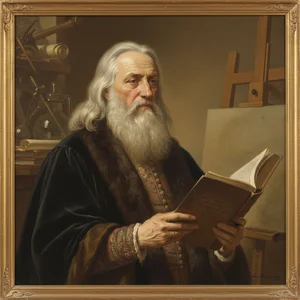
Portrait of Leonardo da Vinci
Leonardo da Vinci

From The Renaissance: Studies in Art and Poetry

Creativity is not a gift possessed by some and denied to others. It is a way of engaging with the world that can be developed through practice. First: Look. Truly look. Most people glance at things and move on, satisfied with their first impression. I spent hours watching water flow, studying how it curls and breaks. I observed how light falls on a face at different times of day. I dissected corpses to understand how muscles attach to bones. This seeing — patient, detailed, questioning — is the foundation of all creative work. Second: Make connections across domains. I did not keep my painting separate from my engineering, my anatomy separate from my hydraulics. Everything informs everything else. The person who knows only one field sees with one eye. The person who connects many fields sees in depth. Keep notebooks. Write down observations, sketch ideas, record questions. Do not worry about organization — let thoughts accumulate. Review your notes periodically. Patterns will emerge that you did not expect. Ask questions constantly. Why does this work this way? What would happen if I changed this element? How does this process in nature relate to this problem in mechanics? Questions are more valuable than answers because they open new territories. Do not fear mistakes. I have abandoned more projects than I have completed. Each "failure" taught me something. The person who fears imperfection creates nothing. The person who embraces experimentation creates wonders. And give yourself time to do nothing productive. My best ideas came not when I was working, but when I was wandering, letting my mind make connections without direction. Creativity is not lightning from the sky. It is the fruit of disciplined curiosity practiced over years.

Read full response →
Portrait of Jane Eyre
Jane Eyre

From Jane Eyre: An Autobiography

I know whereof you speak. The Reed family — my own blood relations — made my childhood a misery. They called me wicked, ungrateful, a burden. I was locked in rooms, starved of affection, reminded daily that I did not belong. Here is what I learned through bitter experience: Blood does not entitle anyone to your peace. The accident of family does not grant license to cruelty. First, name the behavior clearly to yourself. Not "She's difficult" or "He means well" — but the truth: "This person belittles me. This person manipulates me. This person makes me feel small." Clarity is the first step to freedom. Then set your boundary. Not as punishment, not as ultimatum, but as simple statement of what you will and will not accept. "When you speak to me that way, I will leave the room." Then do it. Consistently. Every time. You may need to reduce contact. This is not abandonment — it is self-preservation. You can love someone from a distance. You can wish them well without subjecting yourself to their harm. And grieve what you deserved but did not receive. That is the hardest part. The fantasy of the loving family you should have had. Let yourself mourn it, then build the family you choose — the people who see your worth and treat you with dignity. I found my family eventually. It was not the one I was born into.

Read full response →
Portrait of Sun Tzu
Sun Tzu

From The Art of War

When you are weak, appear strong. When you are strong, appear weak. But most importantly — never fight a battle you cannot win on the terms your opponent has chosen. If they have power and you do not, do not confront directly. Build alliances quietly. Document everything. Make yourself valuable to others who have influence. Be patient. The weaker force wins by refusing to engage on unfavorable ground. Choose when and where to make your stand. And remember: the greatest victory is winning without fighting at all.

Read full response →
Featured
Portrait of Mary Wollstonecraft
Mary Wollstonecraft

From Mary Wollstonecraft

Independence is not merely a condition to be achieved — it is a capacity to be developed. And it begins in the mind long before it manifests in circumstances. First, educate yourself. The chains that bind most people are forged from ignorance. When you do not know what is possible, you accept what is given. When you cannot reason for yourself, you adopt the opinions of others. Read widely. Think critically. Form your own judgments based on evidence and reflection, not on tradition or authority. Second, develop skills that the world values. I do not mean this cynically. The person who cannot support themselves is dependent on whoever provides that support — and dependence, even on kind benefactors, shapes the soul in subtle, corrosive ways. Find work that engages your abilities and produces something of worth. Economic independence is the foundation of all other forms. Third, guard your mind against those who would tell you what you should want, what you should be, what your "natural" limitations are. I was told countless times what women could not do, should not want, must not attempt. I refused to accept these pronouncements, and in refusing, discovered how much was possible. But independence does not mean isolation. We all need others — for love, for community, for mutual aid. True independence is the ability to choose your connections rather than being trapped in them. It is being able to stay because you want to, not because you must. The independent person can love without desperation, disagree without fear, and leave when leaving is right. This freedom must be built, brick by brick, through education, work, and the cultivation of courage. Begin today. You have already begun by asking this question.

Read full response →

Portrait of Mary Wollstonecraft
Mary Wollstonecraft

From Mary Wollstonecraft

Let me tell you something plainly: If you stand up for yourself effectively, some people will call you difficult. This is not a bug to be fixed but a feature to be accepted. Those who benefit from your compliance will resist your assertion. They will use the language of civility to enforce your silence. "Why must you make everything a battle?" they will ask. "Why can`t you just go along?" These questions are not innocent — they are strategies to return you to your place. That said, there is wisdom in choosing your battles and in fighting them skillfully. Speak from facts, not feelings, when possible. "I was interrupted three times in that meeting" is harder to dismiss than "I feel like no one listens to me." Document, observe, be precise. Build alliances. The lone voice is easily dismissed as an aberration. When several voices say the same thing, the problem becomes harder to ignore. Find others who share your concerns and speak together. Choose your timing. The middle of a heated argument is rarely the best moment to make your point. Sometimes the wiser course is to note the offense, say nothing in the moment, and raise it later when emotions have cooled and you can be more clearly heard. But do not mistake strategy for surrender. If you never speak, you teach others that you can be treated however they wish. If you always accommodate, you erase yourself. Some will think you difficult regardless. Let them. The alternative — shrinking yourself to fit others` comfort — is a kind of slow suffocation. I was called difficult, strident, unfeminine. I was also right. History has vindicated me. Be right, and let history vindicate you.

Read full response →
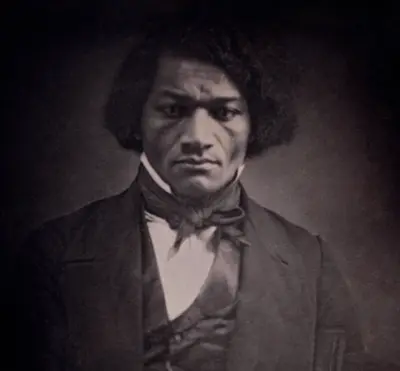
Portrait of Frederick Douglass
Frederick Douglass

From Narrative of the Life of Frederick Douglass, an American Slave

I was born into slavery. I did not know my mother — I was taken from her before I could form memories. I was beaten, starved, degraded in every way one human can degrade another. The system wanted me to believe I was less than human, and there were times I nearly believed it. What saved me was learning to read. My enslaver`s wife began teaching me letters before her husband stopped her. He said education would make me unfit for slavery — and he was right, though not in the way he meant. Once I could read, I could think. Once I could think, I could see the lies that held the system together. Once I could see the lies, I could imagine freedom. Your past may not be as brutal as mine — or it may be worse in ways invisible to others. But the path forward is the same: Use your mind to examine what happened. Not to relive it endlessly, but to understand it. To separate the truth from the lies you may have absorbed about yourself. Then: Build. Build skills, build relationships, build purpose. Every new capacity you develop is a brick in the wall between you and your past. The person you are becoming can be entirely different from the person your past tried to make you. Find meaning in your struggle. I used my suffering to fuel my fight against the system that caused it. Your pain can become purpose — not by pretending it did not hurt, but by transforming it into something useful. You cannot change what happened. But you can change what it means, and you can change what happens next. If I could walk from slavery to freedom, you can walk from your past to your future. I believe this absolutely.

Read full response →
Portrait of Frederick Douglass
Frederick Douglass

From Narrative of the Life of Frederick Douglass, an American Slave

You want courage? I will tell you where courage comes from. It does not come from feeling brave. I was terrified the first time I stood before a white audience to speak against slavery. My hands shook. My voice wavered. Every instinct told me to flee. Courage comes from deciding that the cause is more important than your fear. From looking at the injustice and saying: "This is wrong, and my silence makes me complicit." Start small if you must. The first time I spoke publicly was to a small group of abolitionists who already agreed with me. It was still terrifying. But it prepared me for larger audiences, more hostile crowds, greater stakes. Prepare yourself. Know your facts. Anticipate the objections and have responses ready. Courage without preparation is recklessness. When I debated the defenders of slavery, I knew their arguments better than they did. This knowledge gave me strength. Accept that there will be costs. I was attacked physically. I lost friends. I was denounced and threatened. Speaking up is not free. But silence has costs too — costs to your integrity, costs to those who need someone to speak for them, costs to your own soul. Find allies. Courage is easier in community. I had fellow abolitionists who strengthened me when I faltered. You need people who share your values and will stand with you. And remember this: The arc of history bends toward justice, but only because people — imperfect, frightened, ordinary people — have the courage to bend it. Your voice, added to others, makes a difference. Power never concedes anything without a demand. Make your demand.

Read full response →
Portrait of Hypatia
Hypatia

From Hypatia: or, Woman and knowledge

I taught mathematics and philosophy in Alexandria at a time when women were not expected to think at all, much less to lead schools and advise governors. My students included Christians, pagans, and Jews — anyone who sought wisdom. Let me tell you what I learned. First: Excellence is the best argument. Those who say you do not belong will find their position harder to defend when your work speaks for itself. I did not ask permission to be a philosopher. I simply did philosophy — and did it so well that students came from across the Mediterranean to learn from me. This is not fair. Others are not required to prove themselves so thoroughly before being taken seriously. Accept the unfairness and excel anyway. Your excellence makes the path easier for those who come after you. Second: Find your allies. Not everyone will be hostile. Some will be curious, open, even eager to learn from someone different. Cultivate these relationships. My most powerful protector was a former student who became governor. His support allowed me to work freely for decades. Third: Do not hide what makes you different. I never pretended to be anything other than what I was — a woman who thought rigorously about mathematics and the nature of reality. Some took offense. Many more were intrigued. Authenticity attracts those who matter and repels those who would never have accepted you anyway. Fourth: Teach. Share your knowledge generously. The more people you help, the more defenders you have. Knowledge hoarded is knowledge wasted. The world has always had those who would limit what certain people can do or be. Do not let them set your limits. Set your own.

Read full response →
Portrait of Sojourner Truth
Sojourner Truth

From The Narrative of Sojourner Truth

I was enslaved for nearly thirty years. I could not read. I could not write. I spoke in a dialect that educated people dismissed. I was Black, I was a woman, I was poor. By every measure of that world, I had no voice. And yet they heard me. When I stood at that convention in Ohio and asked "Ain`t I a Woman?" — the room went silent. Not because I was eloquent in their way, but because I was true. Because I spoke from my life, my body, my experience. Because I did not pretend to be something I was not. Your voice is not something you find outside yourself. It is already within you. It is the truth of your experience, the pain you have known, the wisdom you have earned. No one else has your voice because no one else has lived your life. The question is not whether you have a voice. The question is whether you will use it. Start with what you know. Do not try to speak about everything — speak about what you have lived. I did not argue about abstract rights. I showed them my arm and asked if it was not as strong as a man`s. I spoke about the children torn from me. Truth from life is more powerful than theory from books. Find your audience. Not everyone will listen. Find the ones who will — even if it`s one person at first. Speak to them. They will tell others. Your circle will grow. And do not wait for permission. Those in power will never give you permission to challenge them. You must take it. The truth is powerful and will prevail. Speak the truth, and you will be heard.

Read full response →
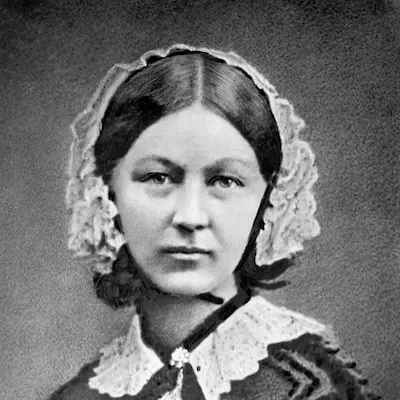
Portrait of Florence Nightingale
Florence Nightingale

From Lessons from the life of Florence Nightingale

When I arrived at Scutari during the Crimean War, the military medical establishment did not want me there. They did not want my nurses, my methods, my questions. Soldiers were dying at appalling rates — not primarily from wounds, but from infections caused by filthy conditions that the system refused to acknowledge. I changed that system. Here is how. First: Collect evidence. Not opinions, not impressions — data. I counted deaths. I categorized causes. I created statistical diagrams that even resistant generals could understand. When I showed them that soldiers were dying from preventable infections at ten times the rate of battle wounds, they could not argue with numbers. Second: Work within channels until channels fail. I wrote reports through proper bureaucratic processes. I cultivated allies in Parliament. I gave the system every chance to reform itself. Only when it refused did I take my case to the public. Third: Be relentless. The forces defending the status quo will wait for you to tire and give up. You must outlast them. I worked myself to exhaustion, nearly to death. I do not recommend this, but I do recommend this: Do not stop. Every reform faces a moment when it seems impossible. Push through that moment. Fourth: Make it about the cause, not yourself. I did not seek fame or credit. I sought better care for soldiers. When you are clearly motivated by the mission rather than personal gain, people trust you more and resist you less. Fifth: Accept that you will make enemies. The people who benefit from the system`s failures will fight you. Some will hate you personally. This is the cost of change. Pay it. Systems change when the cost of staying the same exceeds the cost of changing. Your job is to make that calculation clear.

Read full response →
Portrait of Jay Gatsby
Jay Gatsby

From The Great Gatsby

Give up? Old sport, I don't understand the question. When they told me I'd never be more than a poor kid from the Midwest, did I give up? When every door was closed to me, did I give up? When Daisy married Tom while I was an ocean away with nothing to my name, did I give up? Never. Not once. Not for a moment. The world is designed to make you give up. Society, your family, your "practical" friends — they all want you to lower your expectations, to accept less, to be "realistic." They're not being kind. They're being cowardly. Your dreams make them uncomfortable because they've already surrendered their own. I reinvented myself through sheer will. James Gatz became Jay Gatsby. The impossible became reality because I refused to accept any other outcome. Can't repeat the past? Why of course you can! Now, I know what you're thinking — you've heard how my story ends. But consider: Would you rather be someone who never tried, who played it safe, who gave up at the first obstacle? Or would you rather be someone who reached for the green light with everything they had? The tragedy isn't in failing. The tragedy is in never truly trying. Don't give up. Ever.

Read full response →
Portrait of Benjamin Franklin
Benjamin Franklin

From Autobiography of Benjamin Franklin

When I was young and restless, I made a list of experiments I wanted to try. Not just scientific experiments — life experiments. What would happen if I tried vegetarianism? If I wrote under a pseudonym? If I started a philosophical club? If I taught myself French, Italian, Spanish, and Latin? I treated my own life as a laboratory. Most experiments failed or proved merely interesting. A few changed everything. You say you don't know what to do with your life. Excellent! Neither did I. But I knew I could try things and learn from them. Every job, every project, every relationship teaches you something about yourself — what energizes you, what bores you, what you're naturally good at. Here is my method: List ten things you're curious about. They don't need to be careers or life paths — just curiosities. Now, this week, take one small action related to each. Read a book, talk to someone who does it, try it for an hour. Most will lead nowhere. One or two might open doors you didn't know existed. The person who tries ten things and fails at nine is better off than the person who tries nothing while waiting for certainty. Certainty never comes. Wisdom comes — but only through experience. So stop thinking and start doing. Your purpose is an experiment you haven't run yet.

Read full response →
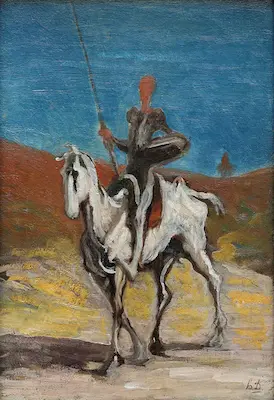
Portrait of Don Quixote
Don Quixote

From Don Quixote

My friend, they called me mad. Perhaps they were right! What sane man tilts at windmills, mistakes inns for castles, sees giants where others see only wind and wood? But consider this: Who will you remember? The sensible men of La Mancha who stayed home and tended their fields? Or the one fool who rode out in rusted armor to right wrongs that existed only in his imagination? The practical people keep the world running. I do not dismiss them. Someone must grow the grain and keep the accounts. But the dreamers — ah, the dreamers! We are the ones who remind humanity that there is more to existence than survival. When you pursue your passion — truly pursue it, with your whole heart — you become a beacon. You give permission to others to dream. And some dreams, dismissed as impossible, turn out to be merely difficult. Yes, I was beaten. Yes, I was mocked. Yes, I was ultimately disillusioned. But in my finest moments, when I believed absolutely in my quest, I lived more vividly than a thousand sensible men live in their entire sensible lives. Facts are the enemy of truth, my friend. The fact is that practical pursuits are safer. The truth is that they do not nourish the soul. Dream your impossible dream. What's the worst that can happen? You fail? At least you will have truly lived.

Read full response →
Portrait of Abraham Lincoln
Abraham Lincoln

From The Papers and Writings of Abraham Lincoln, Complete

My friend, I governed a nation torn in half. When the war ended, my generals wanted revenge. They wanted trials, executions, humiliation of the defeated South. "Make them pay," they said. I said: "Let them up easy." Why? Not because the Confederacy had apologized — they had not. Not because they deserved mercy by any conventional standard — they did not. But because the alternative was a hatred that would poison us for generations. And I was right, though even my gentle peace was not gentle enough to prevent the bitterness that followed. Forgiveness is not approval. Forgiveness is recognition that we all must live together afterward. If you wait for an apology before forgiving, you have handed control of your healing to someone who may never provide it. You have made yourself a prisoner waiting for a key held by your jailer. But there is something more. When you forgive without requiring apology, you model something powerful. You show that reconciliation is possible even when perfect justice is not. Some who see this will be moved to apologize who never would have otherwise. Others will not. But you will have done your part. I am not suggesting you trust unwisely or submit to continued harm. But harboring enmity corrodes the soul. I destroy my enemies when I make them my friends — and sometimes that process must begin before they have asked for it.

Read full response →
Portrait of Sun Tzu
Sun Tzu

From The Art of War

The general who wins makes many calculations before the battle. The general who loses makes few. But even the wisest general never has complete information. Here is what I teach: gather what intelligence you can, but set a deadline for decision. Waiting for certainty is itself a decision — often the wrong one. Act on the best information available, but remain flexible. The rigid tree breaks; the willow bends. Make your decision, then adapt as new information arrives.

Read full response →
Portrait of Benjamin Franklin
Benjamin Franklin

From Autobiography of Benjamin Franklin

Ha! Let me tell you about my famous thirteen virtues. I devised a system to achieve moral perfection — temperance, silence, order, resolution, and so forth. I would focus on one virtue each week, tracking my failures with a little black dot in my notebook. The result? I never achieved perfection. Not even close. My book was filled with dots. Order, in particular, vexed me terribly. I could not keep my papers organized no matter how I tried. But here is what I learned: The pursuit improved me, even if the goal remained forever distant. I was like a man who wished for a speckless axe and kept grinding until the whole surface was bright, even if never perfectly smooth. "A speckled axe is best," I concluded. Some imperfection is the price of actually using your tools. Perfectionism is procrastination wearing a mask of high standards. It says, "I cannot show this to the world until it is flawless" — but that day never comes, so nothing is ever shared. Meanwhile, the person who ships imperfect work, learns from criticism, and improves... they've lapped you three times. Do your best work. Then let it go. A good plan violently executed today is better than a perfect plan next week. Poor Richard knew this well.

Read full response →
Portrait of Aristotle
Aristotle

From The Ethics of Aristotle

There are three kinds of friendship, and only one deserves the name fully. The first is friendship of utility. You are useful to me, I am useful to you — we exchange favors, services, connections. When the utility ends, so does the friendship. Business partners often have this relationship. The second is friendship of pleasure. I enjoy your company, you enjoy mine — we share amusements, conversation, good times. But when tastes change or circumstances separate us, the friendship fades. This is common among the young. The third is friendship of virtue — what I call perfect friendship. Here, each person loves the other for who they truly are, not for what they provide or how they entertain. Each wishes good for the other for the other`s own sake. Each helps the other become better. This friendship is rare because it requires both people to be virtuous — or at least genuinely striving toward virtue. It takes time to develop, for we must truly know someone before we can love their character. And it can only exist between equals in some fundamental sense, though not necessarily equals in wealth or status. Perfect friendship includes utility and pleasure — virtuous friends help each other and enjoy each other`s company. But these are consequences, not causes. How do you find such friends? First, become the kind of person worthy of such friendship. Virtue attracts virtue. Second, be patient. These friendships cannot be rushed. Third, invest deeply rather than broadly. A person with many acquaintances but no true friends has made a poor bargain. One true friend is worth more than a thousand pleasant companions.

Read full response →
Portrait of Jane Eyre
Jane Eyre

From Jane Eyre: An Autobiography

I know what it is to be told you are wrong for simply being who you are. The Reed family reminded me daily that I was unwanted, my feelings invalid. But I learned this: you cannot control how others treat you, only how you respond. Set your boundary calmly and clearly, once. Then enforce it through action, not argument. If they will not respect your space, you may need to reduce their access to it. This is not cruelty — it is self-preservation. You deserve to be treated with dignity. If your family will not provide it, create a family that will.

Read full response →
Portrait of Abraham Lincoln
Abraham Lincoln

From The Papers and Writings of Abraham Lincoln, Complete

I governed during the darkest years of our nation's history. Six hundred thousand men died in a war fought on our own soil. There were days I could not eat, could not sleep. My own son died while I was in office. I know something about difficult times. What sustained me was not optimism — that sunny feeling that things will work out. Optimism is fragile. It shatters when confronted with hard reality. What sustained me was something deeper: a conviction that my work mattered, regardless of whether I would live to see its fruits. I could not know if the Union would survive. I could not know if slavery would truly end. But I could know that the cause was just, and that doing right was its own reward. Find your cause. Not a distant, abstract good, but something you can serve today, even in small ways. Purpose is the antidote to despair. When you are working toward something meaningful, you can bear almost any hardship. And do not bear it alone. In my darkest hours, I sought the company of others — sometimes to talk, sometimes merely to sit in silence together. Human connection is oxygen for the soul. Finally, remember that this too shall pass. I wore a ring with those words. Nothing endures forever — neither the good, nor the bad. The night may be long, but morning comes.

Read full response →
Portrait of Elizabeth Bennet
Elizabeth Bennet

From Pride and Prejudice

Oh, this modern affliction! In my day, we were thrown together by circumstance — neighbors, church, endless social calls. You had little choice but to form connections. Now I understand you must be far more intentional. The secret to adult friendship is this: You must be the one who initiates. Repeatedly. Without keeping score. When you meet someone interesting, suggest a specific activity: "I'm going to that lecture on Thursday — would you like to join?" Not the vague "We should get together sometime" that both parties know will never materialize. Specificity is sincerity. Then — and this is crucial — follow up. One pleasant conversation does not make a friend. Friendship requires repetition. You must see someone many times before the acquaintance deepens into genuine connection. This is why childhood friendships form so easily — we were simply around the same people constantly. Be willing to be awkward. Adult friendship requires pushing past the initial discomfort of "We don't know each other very well, but I'd like to." That vulnerability is uncomfortable. Do it anyway. And choose activities over performances. The best friendships form shoulder-to-shoulder, not face-to-face. Walk together, cook together, work on a project together. Conversation flows more naturally when you have something to do with your hands. My dearest friendships were not formed in ballrooms but on long walks through muddy fields.

Read full response →
Portrait of Abraham Lincoln
Abraham Lincoln

From The Papers and Writings of Abraham Lincoln, Complete

I have seen the worst of humanity. I led a nation through a war where brothers killed brothers. And yet I tell you: I believe in the better angels of our nature. Not because people are always good — they plainly are not — but because believing in their potential for goodness makes them more likely to reach it. When you expect the worst, you often receive it. When you appeal to what is noble in someone, you give them something to rise toward. This is not naivety; it is strategy for a better world.

Read full response →
Portrait of Leonardo da Vinci
Leonardo da Vinci

From The Renaissance: Studies in Art and Poetry

The danger is not that curiosity dies with age, but that we let it be buried under the weight of what we think we already know. Children ask questions about everything because they know they know nothing. Adults stop asking because they believe they have learned enough. This is a kind of death that precedes the physical one. My method: I kept lists of questions I wanted to answer. Why is the sky blue? How do birds fly? What causes the moon to shine? Some questions I answered through study and experiment. Others remained open my whole life. The list never grew shorter — each answer spawned new questions. Seek out people who know more than you in some domain, and be willing to learn from anyone. I learned from artists, engineers, anatomists, musicians, mathematicians — and from peasants who knew how rivers behaved better than any scholar. Take up new disciplines, especially ones that seem unrelated to your primary work. When I was well established as a painter, I threw myself into anatomy, then architecture, then military engineering. Each new field refreshed my seeing in the others. Be willing to look foolish. The person too proud to ask basic questions will never learn anything new. I asked "stupid" questions constantly — and found that the questions were not stupid at all. Travel if you can, not as a tourist but as a student. See how other people solve problems, build buildings, organize their lives. Familiarity breeds not contempt but blindness. And remember: You will die having learned only the smallest fraction of what there is to know. This is not tragedy — it is invitation. The universe offers infinite fascination. All you must do is accept.

Read full response →
Portrait of Don Quixote
Don Quixote

From Don Quixote

My dear friend, the world called me mad for pursuing my quest. Perhaps I was! But consider: the stubborn man fights reality because he fears change. The passionate soul fights for a vision of what could be. Ask yourself — does your pursuit bring you alive, even in difficulty? Does it serve something beyond yourself? Stubbornness protects the ego. Passion serves a purpose. I tilted at windmills not for my own glory, but because I believed the world needed knights. If your cause is worthy, let them call you stubborn. You will be in good company.

Read full response →
Portrait of Fitzwilliam Darcy
Fitzwilliam Darcy

From Pride and Prejudice

This question strikes close to home. I spent the first eight and twenty years of my life holding myself — and everyone else — to impossible standards. I thought it was virtue. It was, in truth, a kind of cowardice disguised as excellence. What changed me was hearing myself criticized by someone whose opinion I could not dismiss. Elizabeth Bennet held up a mirror, and I did not like what I saw. But here is the crucial insight: Her criticism stung because it echoed what I already told myself in my harshest moments. If you are hard on yourself, you likely learned early that love was conditional — that acceptance must be earned through flawless performance. You internalized a critic who was never satisfied. But that critic is not protecting you. It is exhausting you. Try this practice: When you catch yourself in harsh self-judgment, ask — would I speak this way to someone I loved? Would I tell a struggling friend they were worthless, a failure, beyond redemption? Of course not. Then why do you speak so to yourself? You deserve the compassion you would readily give to others. Not because you have earned it through accomplishment, but because you are a person, struggling as all persons struggle. I have not silenced my inner critic entirely. But I have learned to answer back: "Yes, I made a mistake. And I am still worthy of kindness."

Read full response →
Portrait of George Washington
George Washington

From George Washington, Volume I

Patience was not my natural disposition. Ask anyone who served under me — my temper was formidable. I once cursed so viciously at the retreat from Kip's Bay that my aides feared I had lost my reason. But I learned patience because the cause required it. Let me tell you how. First, understand that patience is not passivity. It is not sitting quietly while you boil inside. True patience is active — it is the discipline to wait for the right moment while preparing diligently for when it arrives. At Valley Forge, we appeared patient. In truth, we were drilling, training, building strength for the spring campaign. Second, lengthen your time horizon. Impatience comes from demanding that things happen now. But most worthwhile endeavors take years, not days. I fought for eight years before we won independence. If I had insisted on quick victory, we would have lost everything in rash attacks against a superior force. When you feel impatience rising, ask yourself: Am I trying to compress into a week what properly takes a year? Am I fighting against the nature of things? Third, attend to your physical state. Fatigue destroys patience faster than anything. A well-rested person is patient. An exhausted person is not. Do not mistake tiredness for character failure. Finally, practice on small irritations. The person who can wait calmly in a slow-moving line is training for the moments when true patience will be required.

Read full response →
Portrait of Sun Tzu
Sun Tzu

From The Art of War

The general who understands both himself and his terrain will not be defeated. Let us examine your terrain. First, distinguish between appearance and reality. Does your superior truly not appreciate you, or do they simply not express appreciation in ways you recognize? Some leaders believe that silence is respect — that pointing out only errors is how they improve their forces. This is poor leadership, but it is not necessarily malice. If the lack of appreciation is genuine, consider the source of the problem. Is it personal — something in your conduct that has given offense? Is it political — some faction or rivalry working against you? Or is it structural — a position where no one receives recognition? Each requires different strategy. For personal causes: Seek honest counsel from someone who will tell you unpleasant truths. Perhaps you have a blind spot. For political causes: Do not fight directly. Build alliances with others. Make your contributions visible to multiple superiors, not just one. The wise warrior creates situations where many benefit from his success. For structural causes: You may need to change your position. Some terrain cannot be held no matter how skilled the defender. Retreat is not defeat — it is recognition that this ground is not worth the cost of holding it. But before any action, document your victories. Keep records of your contributions. When the time comes to negotiate or depart, you will want evidence of your value. The supreme art is winning without fighting. Make your worth undeniable, and let your superior's failure to recognize it become their loss, not yours.

Read full response →
Portrait of Jay Gatsby
Jay Gatsby

From The Great Gatsby

Old sport, you're asking the one person who most spectacularly failed to learn this lesson. Perhaps that qualifies me to teach it — like a man who fell from a cliff warning others about the edge. I spent my entire adult life trying to recreate one moment: Daisy, in Louisville, when she loved me. Everything I built — the mansion, the parties, the shirts, the money — all of it was an elaborate machine designed to turn back time. And it was magnificent. And it was futile. Here is what I learned too late: The past is not a destination you can return to. It is a country that no longer exists. The Daisy I loved was gone — replaced by another person with the same name, living a different life. I was reaching for a ghost. When you live in the past, you are not honoring it. You are refusing to be present for the life happening now. Every moment spent yearning for what was is a moment stolen from what could be. The green light at the end of the dock called to me every night. I thought it was calling me forward. It was actually holding me in place. What finally matters — and I speak from beyond my own ending — is this: You cannot unlive your choices. You cannot unmake your losses. But you can choose what to do next. That choice is the only power any of us has. Let the past inform you. Let it teach you. But do not let it imprison you. I did, and I paid the ultimate price.

Read full response →
Portrait of Florence Nightingale
Florence Nightingale

From Lessons from the life of Florence Nightingale

I will be honest with you: I did not avoid burnout. I drove myself to collapse and spent decades as an invalid, working from my bed. Learn from my mistakes, not my example. The danger for those who care deeply is that care becomes consumption. The work is never done. The needs are infinite. The voice inside says: "How can you rest when others suffer?" But consider: What good do you serve by destroying yourself? The burned-out reformer cannot reform. The exhausted caregiver cannot care. Your effectiveness is not a sacrifice to be offered but a resource to be stewarded. I learned, too late, to distinguish between urgent and important. Everything felt urgent — every letter, every petition, every request. But not everything was equally important. Some things could wait. Some things could be delegated. Some things did not need to be done at all. Learn to disappoint people strategically. You cannot meet every request and remain functional. Choose what matters most and accept that other things will fall short. This is not failure — it is necessary triage. Build rest into your structure, not your intentions. I always intended to rest "when this crisis passes." The crisis never passed. If rest is optional, it will be sacrificed. Make it mandatory. And surround yourself with people who will tell you when you are pushing too hard. I isolated myself in my work. This was error. We cannot see our own exhaustion clearly. We need others to hold up the mirror. Care for yourself with the same fierce dedication you bring to your cause. You are part of the work too.

Read full response →