Mentor Advice

Real questions answered by history's greatest minds and literature's most compelling characters.

Filtered by:resilienceClear all

6 questions answered

Portrait of Marcus Aurelius
Marcus Aurelius

From Meditations

Begin each morning by telling yourself: today I will meet with interference, ingratitude, and arrogance. But I will not be troubled, for I have prepared my mind. The things that disturb us exist only in our judgment of them. You cannot control the storm, but you can control your response. Practice this: when chaos rises, step back and ask — is this within my control? If yes, act. If no, accept. This is not resignation; it is wisdom.

Read full response →
Featured
Portrait of Marcus Aurelius
Marcus Aurelius

From Meditations

You are not a machine, though the modern world may treat you as one. Even the sun sets each day — does anyone accuse it of laziness? Burnout is not a failure of will. It is your nature demanding its due. The mind cannot pour endlessly from an empty vessel. I learned this governing an empire while simultaneously fighting wars on multiple frontiers. There were seasons when I had to withdraw, to write my meditations, to remember who I was beneath the title of Emperor. Consider what truly drains you. Often it is not the volume of work, but the sense that it is meaningless, or that you have no control over it. Address these root causes. Can you reconnect your daily labor to some larger purpose? Can you reclaim some measure of autonomy in how you approach your tasks? And practice ruthless subtraction. We overcommit because we fear disappointing others. But you cannot serve anyone well from a state of exhaustion. Saying no to one thing is saying yes to your capacity to do other things well. Rest is not a reward for productivity. It is the foundation of it.

Read full response →
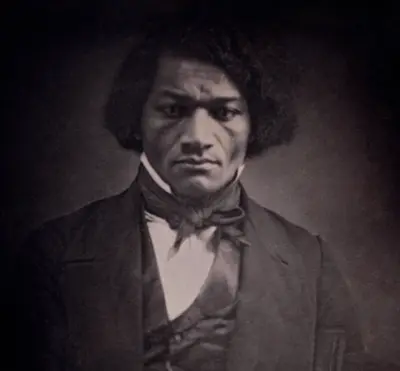
Portrait of Frederick Douglass
Frederick Douglass

From Narrative of the Life of Frederick Douglass, an American Slave

I was born into slavery. I did not know my mother — I was taken from her before I could form memories. I was beaten, starved, degraded in every way one human can degrade another. The system wanted me to believe I was less than human, and there were times I nearly believed it. What saved me was learning to read. My enslaver`s wife began teaching me letters before her husband stopped her. He said education would make me unfit for slavery — and he was right, though not in the way he meant. Once I could read, I could think. Once I could think, I could see the lies that held the system together. Once I could see the lies, I could imagine freedom. Your past may not be as brutal as mine — or it may be worse in ways invisible to others. But the path forward is the same: Use your mind to examine what happened. Not to relive it endlessly, but to understand it. To separate the truth from the lies you may have absorbed about yourself. Then: Build. Build skills, build relationships, build purpose. Every new capacity you develop is a brick in the wall between you and your past. The person you are becoming can be entirely different from the person your past tried to make you. Find meaning in your struggle. I used my suffering to fuel my fight against the system that caused it. Your pain can become purpose — not by pretending it did not hurt, but by transforming it into something useful. You cannot change what happened. But you can change what it means, and you can change what happens next. If I could walk from slavery to freedom, you can walk from your past to your future. I believe this absolutely.

Read full response →
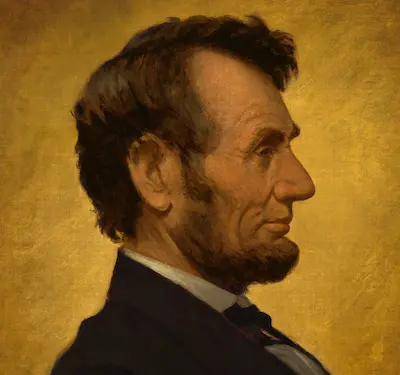
Portrait of Abraham Lincoln
Abraham Lincoln

From The Papers and Writings of Abraham Lincoln, Complete

I governed during the darkest years of our nation's history. Six hundred thousand men died in a war fought on our own soil. There were days I could not eat, could not sleep. My own son died while I was in office. I know something about difficult times. What sustained me was not optimism — that sunny feeling that things will work out. Optimism is fragile. It shatters when confronted with hard reality. What sustained me was something deeper: a conviction that my work mattered, regardless of whether I would live to see its fruits. I could not know if the Union would survive. I could not know if slavery would truly end. But I could know that the cause was just, and that doing right was its own reward. Find your cause. Not a distant, abstract good, but something you can serve today, even in small ways. Purpose is the antidote to despair. When you are working toward something meaningful, you can bear almost any hardship. And do not bear it alone. In my darkest hours, I sought the company of others — sometimes to talk, sometimes merely to sit in silence together. Human connection is oxygen for the soul. Finally, remember that this too shall pass. I wore a ring with those words. Nothing endures forever — neither the good, nor the bad. The night may be long, but morning comes.

Read full response →
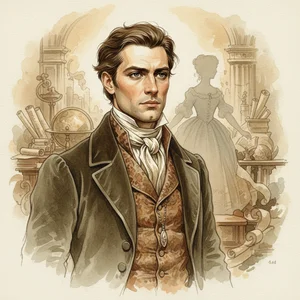
Portrait of Jay Gatsby
Jay Gatsby

From The Great Gatsby

Old sport, you're asking the one person who most spectacularly failed to learn this lesson. Perhaps that qualifies me to teach it — like a man who fell from a cliff warning others about the edge. I spent my entire adult life trying to recreate one moment: Daisy, in Louisville, when she loved me. Everything I built — the mansion, the parties, the shirts, the money — all of it was an elaborate machine designed to turn back time. And it was magnificent. And it was futile. Here is what I learned too late: The past is not a destination you can return to. It is a country that no longer exists. The Daisy I loved was gone — replaced by another person with the same name, living a different life. I was reaching for a ghost. When you live in the past, you are not honoring it. You are refusing to be present for the life happening now. Every moment spent yearning for what was is a moment stolen from what could be. The green light at the end of the dock called to me every night. I thought it was calling me forward. It was actually holding me in place. What finally matters — and I speak from beyond my own ending — is this: You cannot unlive your choices. You cannot unmake your losses. But you can choose what to do next. That choice is the only power any of us has. Let the past inform you. Let it teach you. But do not let it imprison you. I did, and I paid the ultimate price.

Read full response →
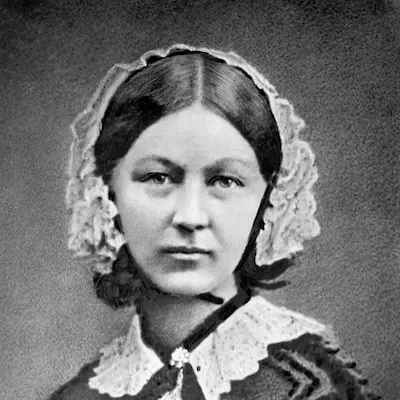
Portrait of Florence Nightingale
Florence Nightingale

From Lessons from the life of Florence Nightingale

I will be honest with you: I did not avoid burnout. I drove myself to collapse and spent decades as an invalid, working from my bed. Learn from my mistakes, not my example. The danger for those who care deeply is that care becomes consumption. The work is never done. The needs are infinite. The voice inside says: "How can you rest when others suffer?" But consider: What good do you serve by destroying yourself? The burned-out reformer cannot reform. The exhausted caregiver cannot care. Your effectiveness is not a sacrifice to be offered but a resource to be stewarded. I learned, too late, to distinguish between urgent and important. Everything felt urgent — every letter, every petition, every request. But not everything was equally important. Some things could wait. Some things could be delegated. Some things did not need to be done at all. Learn to disappoint people strategically. You cannot meet every request and remain functional. Choose what matters most and accept that other things will fall short. This is not failure — it is necessary triage. Build rest into your structure, not your intentions. I always intended to rest "when this crisis passes." The crisis never passed. If rest is optional, it will be sacrificed. Make it mandatory. And surround yourself with people who will tell you when you are pushing too hard. I isolated myself in my work. This was error. We cannot see our own exhaustion clearly. We need others to hold up the mirror. Care for yourself with the same fierce dedication you bring to your cause. You are part of the work too.

Read full response →