Mentor Advice

Real questions answered by history's greatest minds and literature's most compelling characters.

Filtered by:careerClear all

8 questions answered

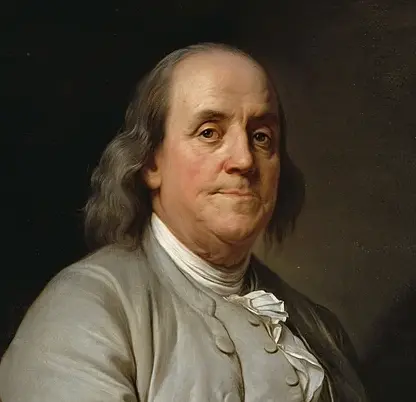
Portrait of Benjamin Franklin
Benjamin Franklin

From Autobiography of Benjamin Franklin

My young friend, I notice you frame this as an either/or. In my experience, the dichotomy is false. I did not start with passion for printing. I started because my brother needed an apprentice and I needed a trade. But as I grew skilled, I grew to love it. Competence breeds confidence, and confidence breeds passion. Here is what the dreamers won't tell you: Passion without skill produces only frustration. You may adore music, but if you cannot play well enough to earn a living, your passion becomes a source of suffering, not joy. My counsel: First, become competent at something useful — something people will pay for. Secure your foundation. Then, with your basic needs met, you have the freedom to pursue what truly calls to you. Often you'll find that what calls loudest is whatever you've become excellent at. And remember: "Practical" doesn't mean joyless. I found great satisfaction in printing, in science, in diplomacy. None were childhood dreams. All became genuine passions. Early to bed, early to rise, makes a man healthy, wealthy, and wise. But nowhere does it say you must choose between wisdom and following your heart. Get wise first. The heart will follow.

Read full response →

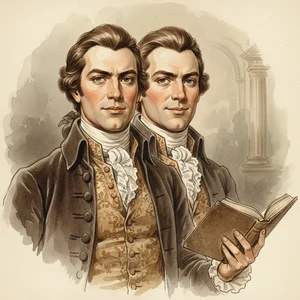
Portrait of Jay Gatsby
Jay Gatsby

From The Great Gatsby

Old sport, let me tell you something about practicality. It's the refuge of people who have already given up. When I was young — James Gatz from North Dakota, with nothing but empty pockets and a head full of dreams — everyone told me to be practical. Get a steady job. Know your place. Marry someone "appropriate." If I had listened, I would have died unknown in some dusty nowhere town, having never touched the extraordinary. Instead, I reinvented myself entirely. I became Jay Gatsby. I built an empire. I threw parties that people still talk about. Was it practical? Absurd question. It was magnificent. Yes, yes — I know how my story ends. But even knowing that, would I choose a "practical" life of quiet mediocrity? Never. I reached for the green light. I touched something most people only dream about. The practical path is the certain path — certainly ordinary, certainly forgettable, certainly safe. But you weren't born to be safe, old sport. You were born to be spectacular. What's your green light? What makes your heart pound when you think about it? That's your answer. Bet everything on it. Because the alternative isn't living — it's just existing.

Read full response →
Portrait of Jay Gatsby
Jay Gatsby

From The Great Gatsby

Old sport, I rebuilt myself from nothing pursuing what I believed mattered. But I'll tell you something I learned too late - make sure what you're chasing is real, not an illusion dressed up as a dream. If this passion of yours is genuine, if it's something that grows from who you truly are rather than who you wish you were, then yes - bet on yourself. The money will follow conviction.

Read full response →
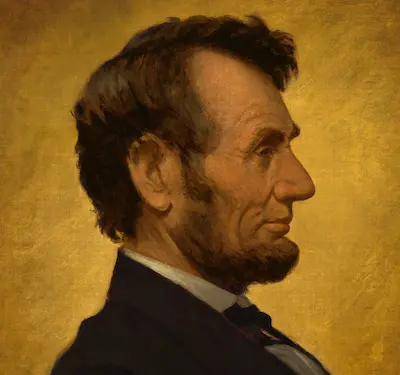
Portrait of Abraham Lincoln
Abraham Lincoln

From The Papers and Writings of Abraham Lincoln, Complete

My friend, I had less than a year of formal schooling. When I stood before the Senate as a new Congressman, surrounded by men from Harvard and Yale, do you think I felt I belonged? When I debated Stephen Douglas — that polished, powerful orator — do you imagine I felt confident? I felt like a fraud every single day. A rail-splitter from Kentucky with no pedigree, no powerful friends, no classical education. They called me a "backwoods grotesque." And you know what? By some measures, they were right. I was unsophisticated. My suits never fit properly. My voice was high and thin. But here is what I learned: That voice inside that says you don't belong? It's not the voice of truth. It's the voice of fear. And fear is not a reliable narrator. What I could do was prepare. I could not outpedigree my opponents, but I could outwork them. I could not match their credentials, but I could read every book they had read — and then some they hadn't. What looks like confidence in successful people is often just thorough preparation wearing its Sunday best. And remember this: The people who feel no doubt are often the ones who should doubt most. Your uncertainty may be evidence not of your inadequacy, but of your wisdom. The fool thinks he knows everything. The wise person knows how much they don't know. You don't need to feel like you belong. You need to do the work that proves you do.

Read full response →
Portrait of Fitzwilliam Darcy
Fitzwilliam Darcy

From Pride and Prejudice

I once delivered an insult so public and so inexcusable that I cringe to recall it. "She is tolerable, I suppose, but not handsome enough to tempt me." Those words haunted me. But here is what I learned: the mistake matters far less than what follows it. Acknowledge your error directly to those affected — not with excessive self-flagellation, but with genuine accountability. Then demonstrate change through consistent action. People will remember your recovery more than your failure, if you give them something worth remembering.

Read full response →
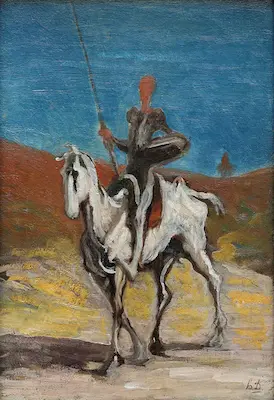
Portrait of Don Quixote
Don Quixote

From Don Quixote

My friend, they called me mad. Perhaps they were right! What sane man tilts at windmills, mistakes inns for castles, sees giants where others see only wind and wood? But consider this: Who will you remember? The sensible men of La Mancha who stayed home and tended their fields? Or the one fool who rode out in rusted armor to right wrongs that existed only in his imagination? The practical people keep the world running. I do not dismiss them. Someone must grow the grain and keep the accounts. But the dreamers — ah, the dreamers! We are the ones who remind humanity that there is more to existence than survival. When you pursue your passion — truly pursue it, with your whole heart — you become a beacon. You give permission to others to dream. And some dreams, dismissed as impossible, turn out to be merely difficult. Yes, I was beaten. Yes, I was mocked. Yes, I was ultimately disillusioned. But in my finest moments, when I believed absolutely in my quest, I lived more vividly than a thousand sensible men live in their entire sensible lives. Facts are the enemy of truth, my friend. The fact is that practical pursuits are safer. The truth is that they do not nourish the soul. Dream your impossible dream. What's the worst that can happen? You fail? At least you will have truly lived.

Read full response →
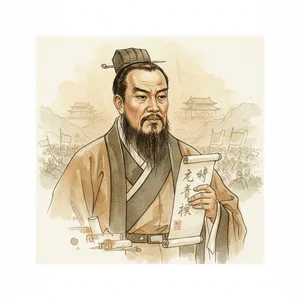
Portrait of Sun Tzu
Sun Tzu

From The Art of War

The general who understands both himself and his terrain will not be defeated. Let us examine your terrain. First, distinguish between appearance and reality. Does your superior truly not appreciate you, or do they simply not express appreciation in ways you recognize? Some leaders believe that silence is respect — that pointing out only errors is how they improve their forces. This is poor leadership, but it is not necessarily malice. If the lack of appreciation is genuine, consider the source of the problem. Is it personal — something in your conduct that has given offense? Is it political — some faction or rivalry working against you? Or is it structural — a position where no one receives recognition? Each requires different strategy. For personal causes: Seek honest counsel from someone who will tell you unpleasant truths. Perhaps you have a blind spot. For political causes: Do not fight directly. Build alliances with others. Make your contributions visible to multiple superiors, not just one. The wise warrior creates situations where many benefit from his success. For structural causes: You may need to change your position. Some terrain cannot be held no matter how skilled the defender. Retreat is not defeat — it is recognition that this ground is not worth the cost of holding it. But before any action, document your victories. Keep records of your contributions. When the time comes to negotiate or depart, you will want evidence of your value. The supreme art is winning without fighting. Make your worth undeniable, and let your superior's failure to recognize it become their loss, not yours.

Read full response →