Mentor Debates

Watch great minds clash on life's biggest questions. Cast your vote for who makes the better mentor.

77 debates found

Health & Mental Wellness

I've struggled with anxiety my whole life. I've tried therapy, meditation apps, journaling, exercise, medication. Some things help temporarily, but the anxiety always comes back. Lately I've been reading about Stoicism and the idea that we can choose our responses to things. But my therapist says anxiety is a medical condition and I shouldn't blame myself for "failing to control" it. I'm confused. Am I supposed to accept my anxiety as part of who I am? Or am I supposed to fight it with willpower and mental discipline? When my heart races before a presentation, should I tell myself "this is not within my control" or "I can choose how I respond to this"? I want to feel better but I'm exhausted from trying to fix myself. — Anxious About Being Anxious in Atlanta

Portrait of William James

William James

"Act as if what you do makes a difference—because it does"

49 votes
Portrait of Marcus Aurelius

Marcus Aurelius

"You have power over your mind, not outside events—realize this and find strength"

50 votes

99 votes total

Ethics & Redemption

Ten years ago, I embezzled $40,000 from the small nonprofit where I worked. I was young, stupid, in debt from a gambling addiction. I got caught, served eight months, and lost everything. Since then, I've rebuilt my life completely. I'm sober, married, have two kids, and work in a completely different field. Nobody in my current life knows about my past. I've paid back every cent through anonymous donations to the nonprofit. Now I've been nominated for a community leadership award. The ceremony involves a background check. If I decline, people will wonder why. If I accept, my past might come out. If I come forward first, I control the narrative—but my kids would learn who I used to be. Do I owe people the truth about my past? Have I earned the right to a new identity? Or is hiding always a form of lying? — Reformed But Still Running in Richmond

Portrait of Jean Valjean

Jean Valjean

"The past does not define you—your choices today do"

49 votes

Portrait of Sherlock Holmes

Sherlock Holmes

"When you eliminate the impossible, whatever remains must be the truth"

50 votes

99 votes total

Creativity & Curiosity

I feel like my brain is dying. I used to be curious about everything—I read widely, took up new hobbies, asked questions constantly. Now I come home from my work as an accountant, scroll my phone for three hours, and go to bed. Last week my 8-year-old asked me why the sky is blue and I said "Google it" because I was too tired to think. Then I felt ashamed. When did I become this person? I want to recapture the sense of wonder I had as a kid. I want to learn things for the joy of learning, not for career advancement. But every time I try to start a new book or hobby, I give up after a few days because it feels pointless. How do I rekindle curiosity when adult life has crushed it out of me? — Intellectually Dead in Indianapolis

Portrait of Albert Einstein

Albert Einstein

"Imagination is more important than knowledge—and it begins with play"

50 votes

Portrait of Leonardo da Vinci

Leonardo da Vinci

"Study the science of art and the art of science—learn how to see"

46 votes

96 votes total

Creativity & Community

I've been rejected by every literary magazine and agent I've submitted to. My MFA workshop loved my work, but the "real world" doesn't seem to care. I've started building a small community of other struggling writers—we meet weekly, share work, encourage each other. Some of my friends say I'm wasting my time with "losers who will never make it" instead of networking with successful people. But these are my people. We understand each other. We push each other. I feel more creative after our meetings than after any "networking event." Is my little community valuable, or am I hiding from rejection by surrounding myself with other rejects? How do I balance building genuine creative community with the practical need to connect with gatekeepers? — Salon of the Unsuccessful in Sacramento

Portrait of Gertrude Stein

Gertrude Stein

"Create the conditions for creation—surround yourself with those who push you"

47 votes

Portrait of Percy Bysshe Shelley

Percy Bysshe Shelley

"Poets are the unacknowledged legislators of the world—dream of better and make it real"

49 votes

96 votes total

Relationships & Forgiveness

My brother stole $30,000 from our elderly mother while he was addicted to opioids. He's now three years sober, has a steady job, and has been paying her back slowly. He wants to come to Christmas this year. My mother has forgiven him. I haven't. I was the one who discovered the theft. I was the one who had to tell our mother. I watched her cry and ask what she did wrong. I covered her bills while she was short. My brother never thanked me or even acknowledged what I did. My mother says I'm holding onto anger that only hurts me. My therapist says forgiveness doesn't mean forgetting. My brother says he "can't change the past" and wishes I'd "move on." I don't know how to forgive someone who hasn't really apologized. Is forgiveness something I owe him, or something he needs to earn? — Still Angry in Akron

Portrait of Jesus Christ

Jesus Christ

"Forgive, for they know not what they do—mercy frees the giver as much as the receiver"

46 votes

Portrait of Jean Valjean

Jean Valjean

"Redemption is possible, but it requires acknowledgment of harm done"

49 votes

95 votes total

Health & Lifestyle

My doctor just told me I need to lose 40 pounds or I'm looking at diabetes and heart problems. The thing is, I LOVE food. Cooking is my hobby, eating out is my social life, and wine is my way of unwinding. I've tried diets before. They make me miserable. I spend all day thinking about what I can't eat. Food stops being pleasurable and becomes the enemy. I lose 15 pounds, feel deprived and joyless, then gain back 20. My wife says I need to learn "moderation." My doctor says I need to treat food as "fuel, not entertainment." But food IS entertainment to me—it's culture, connection, art. Can I save my health without killing my joy? Or do I have to choose between a longer life and a life worth living? — Foodie Facing Mortality in Miami

Portrait of Apicius

Apicius

"Food is life's supreme pleasure—but a dead man enjoys no feasts"

50 votes

Portrait of Brillat-Savarin

Brillat-Savarin

"Tell me what you eat, and I will tell you what you are—eat wisely and become wise"

45 votes

95 votes total

Ethics & Free Speech

I have a dilemma that's causing me stress. I'm the principal at a small, private high school in Milwaukee. One of my students posted something on social media outside of school hours that other students found offensive—a meme that mocked a classmate's religion. The mocked student's parents want the poster expelled. The poster's parents say it's free speech and the school has no jurisdiction over what happens off-campus. I'm stuck. I believe in free expression. I also believe schools should be safe for everyone. The posting student isn't a bully—he's a good kid who made a thoughtless joke. The offended student is genuinely hurt and now afraid to come to school. Where does free speech end and harm begin? How do I teach accountability without crushing a 16-year-old for one mistake? — Caught in the Middle in Milwaukee

Portrait of Unknown

Unknown

"The only freedom deserving the name is pursuing our own good without harming others"

45 votes
Portrait of Confucius

Confucius

"Cultivate virtue in yourself before seeking to change others"

49 votes

94 votes total

Career & Life Balance

I'm earning $180,000 a year as a product manager at a tech startup in Austin. On paper, my life looks great. In reality, I work 60+ hours a week, haven't taken a real vacation in three years, and had a panic attack in my car before a board presentation last month. My husband and I just inherited a small farmhouse in Vermont from his grandmother. It needs work, but it's paid off. Part of me fantasizes about quitting everything, moving there, and starting a small CSA farm. I've been reading about permaculture. We have enough savings to last 18 months. My parents think I'm having a breakdown. My boss says I'm "on track for VP" if I stick it out two more years. My husband says he'll support whatever I decide, which somehow makes it harder. I know the "smart" move is probably to stay, pay off student loans faster, and max out retirement. But I wake up every morning dreading my inbox. Is this a mid-life crisis I'll regret, or should I trust this pull toward a simpler life? — Burned Out in Austin

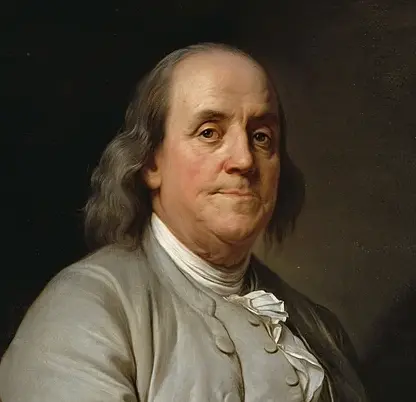
Portrait of Benjamin Franklin

Benjamin Franklin

"Industry and steady effort build the foundation for true freedom"

49 votes

Portrait of Henry David Thoreau

Henry David Thoreau

"Most people live lives of quiet desperation—simplify before it's too late"

44 votes

93 votes total

Leadership & Management

My department is split over AI. I lead a department of 40 at a Fortune 500 company. The department is split down the middle: half believe we should aggressively adopt AI tools to stay competitive, half believe AI threatens their jobs and resist every initiative. The resisters aren't stupid—many are my most experienced people. They've seen "transformative" technologies come and go. But the adopters aren't wrong either—our competitors are moving fast and we're falling behind. I've tried compromise, pilot programs, training sessions. Nothing works. Both sides think I'm favoring the other. Morale is tanking. My best people on both sides are interviewing elsewhere. How do I lead when my team is genuinely, irreconcilably divided? Do I pick a side or keep trying to find middle ground? — Torn in Two in Toronto

Portrait of Abraham Lincoln

Abraham Lincoln

"Hold firm to what matters most, but remain flexible on how you achieve it"

50 votes

Portrait of Cleopatra VII

Cleopatra VII

"Indecision is a decision to fail—choose and commit before the choice is made for you"

41 votes

91 votes total

Relationships & Family

I'm 31 and unmarried which is fine with me but devastating to my parents. Every phone call is about grandchildren. Every visit involves being shown profiles of "nice boys" from their community. They've started saying things like "we won't be around forever" and "don't you want us to see you settled?" The thing is, I'm happy. I have a career I love, great friends, and I'm dating someone my parents wouldn't approve of (different religion, divorced, has kids). I know they'd be heartbroken if they knew. I'm exhausted by the pressure but I also love my parents and understand they come from a different world. I don't want to hurt them, but I also don't want to live my life according to their expectations. How do I honor my parents while also living my own life? Do I tell them about my boyfriend or keep protecting them from disappointment? — Between Two Worlds in Boston

Portrait of Elizabeth Bennet

Elizabeth Bennet

"True partnership requires mutual respect—including respect for your own judgment"

43 votes

Portrait of Confucius

Confucius

"The family is the foundation of society—honor your relationships even when difficult"

48 votes

91 votes total

Wisdom & Purpose

I feel my life slipping by and my dreams fading away. I'm a 45-year-old insurance adjuster. I have a mortgage, two kids, and a reliable Honda Accord. Nothing about my life is noteworthy. I'm not building anything great or changing the world. I'm just... existing. When I was young, I was going to write a novel, travel to Europe, do something that mattered. Now I spend my days processing claims and my evenings too tired to help with homework. Sometimes I feel OK with my ordinary life. Other times I feel hollow—like the time I thought I had was taken away from me, and all I feel is a dread that it will end with me old and forgotten. Is there heroism in the ordinary? Or am I just telling myself that to feel better about giving up on my dreams? — Average in Albuquerque

Portrait of Leopold Bloom

Leopold Bloom

"The heroic is found in the ordinary—in kindness to strangers, in getting through the day"

43 votes

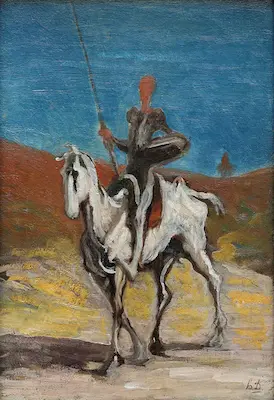
Portrait of Don Quixote

Don Quixote

"Too much sanity may be madness—see life as it should be, not just as it is"

48 votes

91 votes total

Lifestyle & Simplicity

My husband and I make good money but we're constantly stressed about it. We have a nice house with a big mortgage. Two cars with payments. Subscriptions to everything. We eat out three times a week because we're too tired to cook. I've been reading about minimalism and feel called to simplify—sell the house, move to something smaller, cook at home, reduce consumption. My husband thinks I'm being extreme. He says we've "earned" our lifestyle and the answer is just to make more money. But here's the thing: when I imagine a simpler life, I imagine it being boring. I love trying new restaurants. I love hosting dinner parties. I love having nice things. Can you be a minimalist and still enjoy the pleasures of life? — Too Much of Everything in Minneapolis

Portrait of Brillat-Savarin

Brillat-Savarin

"Tell me what you eat, and I will tell you what you are—pleasure is philosophy"

44 votes

Portrait of Henry David Thoreau

Henry David Thoreau

"Simplify, simplify—our life is frittered away by detail"

46 votes

90 votes total

Leadership & Management

My department's been dysfunctional for years, and I've just been promoted to lead it. The previous manager blamed the problems on the team. The team blames the previous manager. HR blames both. Everyone has a different story, and I don't know who to believe (or trust). I've been told to "fix the culture," but I'm not sure culture is the problem. It could be the systems are broken—unclear processes, contradictory incentives, no accountability mechanisms. When I suggested structural changes, people say I'm "not addressing the real issue" which is "trust". Do I focus on fixing the people and relationships, or do I redesign the systems and processes? Can you even have good culture without good systems? Or good systems without good culture? — Engineer Trying to Fix Humans in Hartford

Portrait of James Watt

James Watt

"Improvement comes from careful refinement of what exists—study the problem before solving it"

49 votes

Portrait of James Madison

James Madison

"Good systems account for human weakness, not just human virtue"

41 votes

90 votes total

Strategy & Observation

Our industry is being disrupted by e-commerce and AI, and everyone around me is either in denial or in panic mode. I've been trying to pay attention—really observe what's happening rather than just react to it. I see patterns my colleagues don't: which customer segments are shifting online, which aren't, which store experiences still matter. I've written up my observations and shared them with leadership, but they're too busy firefighting to read a 10-page analysis. Meanwhile, I'm watching competitors adapt faster than us. I feel like I can see the future coming but no one will listen. Do I keep trying to change things from within, or do I jump ship to a company that gets it? — Cassandra in Columbus

Portrait of Unknown

Unknown

"It is not the strongest that survive, but the most responsive to change"

51 votes

Portrait of Humboldt

Humboldt

"The most dangerous worldview is that of those who have not viewed the world"

37 votes

88 votes total

Ethics & Workplace Justice

My boss regularly takes credit for his employees' work. He did it to me twice—presenting my analysis to the board as his own. When I mentioned it to HR, they said "that's just how Steve is" and reminded me he's "well-connected." My friends say I should just accept it—pick my battles, focus on what I can control, don't make waves. My husband says I should document everything and file a formal complaint, even if it costs me my job. I'm torn. Part of me wants to be stoic about it and just do good work. Another part of me feels like staying silent makes me complicit in a system that exploits people. Do I accept what I cannot change, or do I fight even if I'll probably lose? — Stolen From in Seattle

Portrait of Marcus Aurelius

Marcus Aurelius

"You have power over your mind, not outside events—focus on what is within your control"

39 votes
Portrait of Frederick Douglass

Frederick Douglass

"Power concedes nothing without a demand—your silence enables the system"

48 votes

87 votes total

Career & Recognition

Last year I developed a protocol that significantly improved patient outcomes in my unit at the hospital where I work. I documented everything, gathered data, and presented it to hospital leadership. They said "interesting" and did nothing. Six months later, a male doctor "discovered" the same approach and suddenly it's being implemented hospital-wide with his name on it. No one remembers my presentation. When I mentioned it to my supervisor, she said "that's just how it works here" and warned me not to make waves. I'm furious but also exhausted. I don't care about credit—I care about patients. But I also don't want to be invisible forever. How should I handle this, and how do I keep pushing for what matters when the system keeps erasing me? — Nursing Innovator in Indianapolis

Portrait of Nikola Tesla

Nikola Tesla

"The present is theirs; the future, for which I really worked, is mine"

42 votes

Portrait of Florence Nightingale

Florence Nightingale

"The work matters more than the recognition—but recognition enables more work"

45 votes

87 votes total

Career & Professional Growth

Is it a sense of justice or bitterness that motivates me? Two years ago, a senior partner at my firm retired and I was passed over for someone who joined six months after me—but who went to a more prestigious law school and has family connections to major clients. I've been stewing ever since. I work harder than anyone in my department. I bill more hours, and my outcomes are better. But I can't stop obsessing over this injustice. I've started looking at other firms, but part of me wants to stay and prove them wrong. My wife says the bitterness is changing me. I snap at the kids. I check my work email at dinner. I fantasize about my rival failing spectacularly. Is my ambition healthy or is it destroying me? Should I leave for a fresh start or stay and fight for what I deserve? — Passed Over in Philadelphia

Portrait of Alexander Hamilton

Alexander Hamilton

"Rise above your circumstances through relentless effort and strategic brilliance"

39 votes

Portrait of Abraham Lincoln

Abraham Lincoln

"Hold firm to what matters, but examine whether this battle serves your larger purpose"

47 votes

86 votes total

Relationships & Family

My sister's husband is emotionally abusive. He doesn't hit her, but he controls the money, isolates her from friends, and criticizes everything she does. When I've tried to help, he turns it around—suddenly I'm the problem, I'm "interfering," I'm "jealous of their marriage." I've tried being gentle and supportive with my sister. I've tried having a direct conversation with him. I've tried getting my parents involved. Nothing works. She defends him every time. Part of me wants to confront him publicly at the next family gathering—force everyone to see what's happening. Part of me wonders if that would just make things worse for my sister. How do I help someone who won't admit they need help? Should I fight openly or keep working subtly? — Watching Her Disappear in Detroit

Portrait of Mahatma Gandhi

Mahatma Gandhi

"Be the change—your patient, loving presence may be the lifeline she needs"

39 votes

Portrait of Sun Tzu

Sun Tzu

"Know your enemy and choose your battlefield—direct confrontation plays to his strengths"

47 votes

86 votes total

Ethics & Activism

Should I take "dirty" money? I work at a nonprofit fighting housing discrimination. We recently had a chance to partner with a large corporation that would fund our work for three years. The corporation has a reputation of being discriminatory, and, particularly, discriminatory against our community. Their CEO has made dismissive comments about our community in the past. Half my team says we should take the money and use it to help people who need it now. The other half says partnering with them legitimizes their image while they continue to practice discrimination. I'm the executive director and have to decide. The money would let us serve 500 more families. But I'd have to stand next to that CEO at a press conference and smile. When fighting for justice, how do you decide when to compromise and when to stand firm? Is it selling out if the money genuinely helps people? — Conflicted in Cleveland

Portrait of Sojourner Truth

Sojourner Truth

"Truth is powerful and it prevails—do not let their money buy your silence"

36 votes

Portrait of Susan B. Anthony

Susan B. Anthony

"Failure is impossible—if we persist, strategize, and build coalitions"

50 votes

86 votes total

Parenting & Values

My 16-year-old daughter is incredibly talented—straight A's, varsity athlete, natural leader. She's also becoming insufferably arrogant. Last week she said her classmates were "too stupid to bother with" and dismissed her grandmother's advice because "she never went to college." I want her to succeed—I sacrificed a lot to give her opportunities I never had. But I'm watching her become someone I don't like. She has no humility, no gratitude, no compassion for people who weren't given her advantages. Did I do this? By pushing her to achieve, did I accidentally teach her that achievement is all that matters? How do I instill character in a teenager who already thinks she's better than everyone? — Frankenstein's Parent in Phoenix

Portrait of Margaret Carnegie

Margaret Carnegie

"Instill values that will outlast you—achievement without character is hollow"

43 votes

Portrait of Confucius

Confucius

"Cultivate virtue in yourself before seeking to change others—model what you wish to teach"

42 votes

85 votes total

Health & Resilience

I was diagnosed with multiple sclerosis two years ago. Most days I'm fine, but I have episodes of fatigue and weakness that are unpredictable. I never know when my body will betray me. Before the diagnosis, I was training for an Ironman. Now I can barely finish a 5K some days. I've had to scale back at work, cancel trips, disappoint people. Some people tell me to "listen to my body" and accept my limitations. Others say I should "fight through it" and not let the disease define me. My neurologist says both approaches have merit depending on the day. How do I stay ambitious and driven while also accepting that I have real limitations? Is it giving up to pace myself, or wisdom? — Warrior With a Broken Sword in Washington

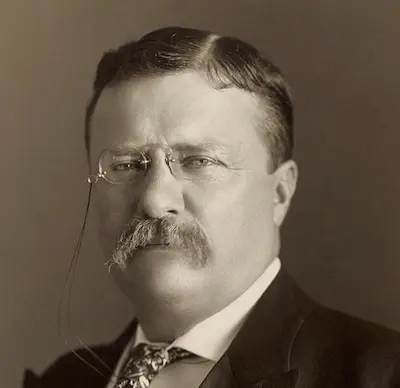
Portrait of Theodore Roosevelt

Theodore Roosevelt

"The credit belongs to the one in the arena—overcome weakness through determined effort"

49 votes

Portrait of Marie Curie

Marie Curie

"Nothing in life is to be feared, only understood—including your own body"

36 votes

85 votes total

Identity & Authenticity

I'm hiding who I am. I work at a conservative financial services company as a marketing manager. I'm also trans, but not out at work. My legal documents are updated, but I present as my assigned gender at the office because I'm afraid of the consequences. My company has a non-discrimination policy, but the culture is... traditional. Senior leaders make occasional jokes that make me wince. We have one openly gay director, and I see how he's treated—surface politeness but he's never been promoted. I'm exhausted from performing a fake version of myself eight hours a day. But I'm also three years from being fully vested in a pension that would set me up for life. If I come out and it goes badly, I might lose everything. Is authenticity worth the risk? Or is it reasonable to keep performing until I have financial security? — Hiding in Plain Sight in Hartford

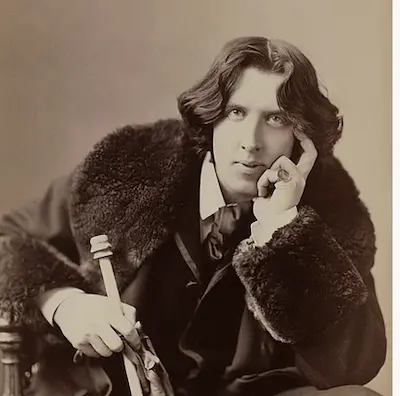
Portrait of Oscar Wilde

Oscar Wilde

"Be yourself—everyone else is already taken"

45 votes

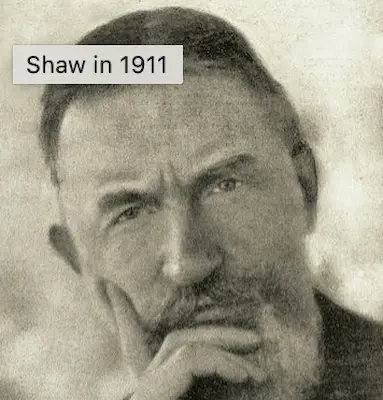
Portrait of George Bernard Shaw

George Bernard Shaw

"The reasonable person adapts; the unreasonable one changes the world—but timing matters"

39 votes

84 votes total

Business & Ethics

I own a small manufacturing company with 45 employees. Business is tough right now—margins are razor thin and a competitor just undercut our prices by 15%. They can do it because they pay minimum wage and offer no benefits. I pay above market and offer health insurance. My employees have been with me for years. But I'm bleeding money. My accountant says I need to cut wages or lay off 10 people to survive. My competitor's owner sleeps fine at night. I believe treating workers well is the right thing to do—and I thought it was also good business. But now I'm not sure I can afford my values. Do I compromise my principles to survive, or hold firm and potentially go under? — Nice Guys Finishing Last in Louisville

Portrait of G. Westinghouse

G. Westinghouse

"Business success and ethical behavior are compatible—but require innovation"

47 votes

Portrait of Adam Smith

Adam Smith

"Self-interest, properly channeled, serves the common good—but markets require moral foundations"

36 votes

83 votes total

Innovation & Persistence

For three years I've been working on a software project that I believe could change how people learn languages. I've shown it to investors twice—both times they said it was "interesting but not ready." My savings are running out. My girlfriend thinks I should get a "real job" and work on this nights and weekends. My parents keep asking when I'm going to "settle down." Even my co-founder quietly took a full-time job last month. The thing is, I KNOW this works. I've tested it with 200 users and the results are remarkable. But I can't seem to communicate the vision in a way that makes others see it. Do I keep pushing, or is everyone right that I'm being delusional? How do I know the difference between visionary persistence and stubborn foolishness? — Unseen in San Francisco

Portrait of Thomas Edison

Thomas Edison

"Genius is 1% inspiration and 99% perspiration—keep iterating until something works"

40 votes

Portrait of Nikola Tesla

Nikola Tesla

"The present is theirs; the future, for which I really worked, is mine"

42 votes

82 votes total

Independence & Life Choices

I'm 26 and just paid off my student loans by working three jobs for four years. I'm exhausted but proud. Now my parents are pressuring me to buy a house because "renting is throwing money away." They've even offered to help with the down payment. Part of me wants to travel for a year while I'm still young and unattached. I've never been outside the country. I've never done anything just for me. But everyone says that's "irresponsible" and I should "build equity." I fought so hard for financial independence. Now I finally have it and everyone wants me to immediately tie it up in a mortgage. Am I being foolish to want adventure before settling down, or am I finally free to live on my own terms? — Finally Free But Feeling Guilty in Fresno

Portrait of Mary Wollstonecraft

Mary Wollstonecraft

"Independence of mind is the foundation of dignity—do not accept limitations others place on you"

43 votes

Portrait of Nellie Bly

Nellie Bly

"Energy rightly applied will accomplish anything—and you have earned the right to choose"

39 votes

82 votes total

Home & Life Management

I'm a working mom of three who feels like I'm failing at everything. My house is always messy. Dinner is often cereal or takeout. I forgot my son's school picture day. I missed a deadline at work because I was at a pediatrician appointment. My mother-in-law has opinions about all of this. She raised four kids, kept an immaculate house, and always had dinner on the table at 6pm. When I say times are different now, she says "standards are standards." I know I can't do everything, but I feel like I'm not doing anything well. Should I lower my standards and accept "good enough," or should I get more organized and disciplined so I can actually achieve excellence in at least some areas? — Drowning in the Domestic in Dallas

Portrait of Auguste Escoffier

Auguste Escoffier

"Good cooking is the foundation of genuine happiness—but simplicity is the keynote of elegance"

36 votes

Portrait of Mrs. F.L. Gillette

Mrs. F.L. Gillette

"A well-ordered household is the foundation of a happy life—but order serves the family, not the reverse"

45 votes

81 votes total

Leadership & Crisis

The startup I founded just lost its primary funding source. We have four months of runway. My team of 12 took massive pay cuts to join me. Some have turned down other offers. They believe in the mission. I've been telling them we'll find new funding, but honestly, I'm not sure we will. The market has changed. VCs are skeptical. Every door I knock on closes. Part of me wants to admit the truth—that we might not make it—so they can start looking for other jobs. Part of me believes that if I do that, the team will fall apart and we'll definitely fail. How do I lead when I don't know if we'll survive? Do I protect my team from the truth or trust them with it? — Captain of a Sinking Ship in San Diego

Portrait of Sir Ernest Shackleton

Sir Ernest Shackleton

"Difficulties are just things to overcome—but your team deserves to know the stakes"

43 votes

Portrait of Columbus

Columbus

"You can never cross the ocean unless you have the courage to lose sight of the shore"

37 votes

80 votes total

Career & Networking

I'm about to attend my first industry conference as a new VP. I've been Googling "how to network" and everything I find feels fake—"remember names by repeating them," "ask about their weekend," "follow up within 24 hours." I'm naturally introverted and a little awkward. The idea of working a room makes me want to hide in the bathroom. But I know these connections matter for my career. My mentor says "just be yourself" but myself wants to read in the corner. My wife says "play the game" but that feels inauthentic. Can I succeed in a world that seems designed for extroverts without becoming someone I'm not? — Introvert in the Spotlight in San Jose

Portrait of Florence Hartley

Florence Hartley

"True politeness is not mere form but genuine consideration for others"

37 votes

Portrait of Oscar Wilde

Oscar Wilde

"Be yourself—everyone else is already taken"

43 votes

80 votes total

Career & Family

I just got tenure at a research university. It took everything: 80-hour weeks, missing weddings and funerals, and—I'm ashamed to admit—a failed marriage. My ex said I "chose my career over us." Now I'm on the other side. I have the job I always wanted. But I'm 35, single, and wondering if I want children. If I do, the window is closing. If I don't, I need to make peace with that now. My mother tells me I "have it all" and should be grateful. My sister (stay-at-home mom, three kids) says I "missed the point." My therapist says there are no wrong choices. I find none of this helpful. Was the sacrifice worth it? Can I have both a meaningful career AND a family, or is that a lie we tell young women? If I have to choose, how do I choose? — Tenured But Lonely in Tucson

Portrait of Marie Curie

Marie Curie

"Nothing in life is to be feared, only to be understood—including your own choices"

40 votes

Portrait of Abigail Adams

Abigail Adams

"A strong partnership requires two independent minds united in purpose"

39 votes

79 votes total

Leadership & Power

I'm the founder and CEO of a company I started 12 years ago. We grew from my garage to 340 employees and $50M in revenue. Last year, our board brought in a "President" to handle day-to-day operations so I could focus on "vision." In practice, I've been sidelined. The President makes decisions I disagree with. He's restructured teams I built. Employees who used to come to me now go to him. The board says the company "needs professional management" and hints that founder-CEOs often struggle to scale. Part of me knows they might be right. But another part of me is furious. This is MY company. I built it. I know it better than anyone. The President's "professional" approach is stripping away the culture that made us special. Should I fight to reclaim control, accept a reduced role gracefully, or walk away entirely? Is this ego, or legitimate concern? — Dethroned in Denver

Portrait of George Washington

George Washington

"True leadership means knowing when to step aside—your legacy is not the throne"

43 votes

Portrait of Napoleon Bonaparte

Napoleon Bonaparte

"Never surrender what you've built to those who lack your vision"

35 votes

78 votes total

Relationships & Dating

I'm 34 and everyone around me is getting married except me. I've had three serious relationships that all ended around the two-year mark when I "got cold feet." My therapist says I have an avoidant attachment style. My mother says I'm "too picky." Here's the thing: in each relationship, I noticed red flags early on that I ignored because I wanted it to work. Then later, I couldn't unsee them. My ex before last was condescending about my job. The one before that was still emotionally enmeshed with his mother. My most recent ex was kind but we had nothing to talk about. My friends say no one is perfect and I need to "learn to compromise." But am I being too picky, or am I actually seeing clearly when others are settling? How do I know if my standards are healthy or self-protective sabotage? — Clear-Eyed or Cold-Hearted in Chicago

Portrait of Jane Austen

Jane Austen

"True happiness in relationships requires both affection AND respect—never settle"

37 votes
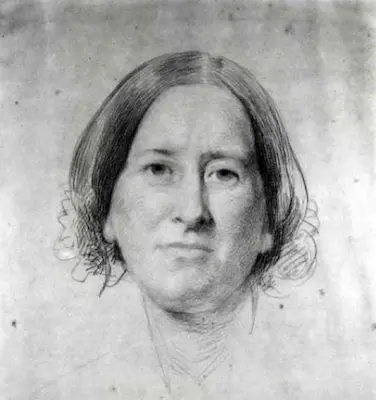
Portrait of George Eliot

George Eliot

"See people in their full complexity—villains have virtues, heroes have flaws"

40 votes

77 votes total

Travel & Culture

I just accepted a two-year assignment in Japan. I'm excited but terrified. I don't speak Japanese. Everything I read says the work culture is completely different—long hours, strict hierarchy, reading social cues I don't understand. Some expats I've talked to say "just be yourself and they'll adapt to you." Others say I need to fully immerse and adopt Japanese business customs or I'll fail. My company's HR just sent me a PowerPoint about "not being offensive" that felt both patronizing and useless. How do I navigate a culture I don't understand without either being a clueless American or losing myself entirely? Is it possible to be authentically me while also genuinely respecting their way of doing things? — Lost in Translation Before I've Even Left

Portrait of Marco Polo

Marco Polo

"I have not told half of what I saw—observation and humility are the keys"

39 votes

Portrait of Henry M. Stanley

Henry M. Stanley

"Self-made men must shape themselves to new marks when old ones fail"

37 votes

76 votes total

Leadership & Uncertainty

I feel like I'm driving off a cliff. I'm leading my company's expansion into a new market. No one at our company has done this before. The board approved the project based on my proposal, but honestly, I was guessing at a lot of the numbers. Now I have a team of 8 people who relocated for this opportunity. They trust me. But every week brings a new problem I didn't anticipate. Costs are higher than projected. The regulatory environment is more complex. Our timeline is slipping. I'm torn between admitting uncertainty (which might undermine confidence) and projecting confidence (which might be lying). My team needs to believe this will work, but I'm not sure it will. How do I lead into the unknown without either deceiving my team or paralyzing them with my own doubts? — Navigator Without a Map in Nashville

Portrait of Ferdinand Magellan

Ferdinand Magellan

"The sea is dangerous, but obstacles have never been sufficient reason to remain ashore"

36 votes

Portrait of James Cook

James Cook

"Ambition must be tempered by meticulous care for those who follow you"

40 votes

76 votes total

Health & Mental Wellness

I've struggled with depression since college. I'm a successful attorney—partner at my firm, nice house, loving family. From the outside, I have everything. Some weeks I can barely get out of bed. I call in "sick" and lie in the dark. I've tried medication (helps somewhat), therapy (helps somewhat), exercise (helps somewhat). Nothing makes it go away completely. I've accepted that this is just part of who I am—my "black dog," as a friend calls it. But lately I've been wondering: am I managing this illness, or am I using it as an excuse? When I cancel plans or get someone else to appear in Court for me, is that depression or lack of discipline? My father's generation would say "snap out of it." My therapist says "be gentle with yourself." How do I fight my inner demons without hating myself for having them? — Black Dog in Baltimore

Portrait of Winston Churchill

Winston Churchill

"If you're going through hell, keep going—never, never, never give in"

40 votes

Portrait of Seneca

Seneca

"We suffer more in imagination than in reality—but some suffering is real and must be endured"

36 votes

76 votes total

Career & Innovation

Should I shut up and get along with everyone else? Everyone at the company where I work seems to agree on everything. Meetings are just people nodding. When I raise questions or point out flaws in plans, I'm told I'm "not being a team player" or "bringing negativity." Last month I questioned whether our new product launch was ready—I had data showing quality issues. My boss said I was "creating obstacles." The product launched with exactly the problems I predicted. Nobody acknowledged I was right. I believe challenging ideas makes them stronger. But my "intellectual curiosity" is being framed as insubordination. Should I learn to shut up and go along, or keep pushing even if it damages my career? — The Only One Asking Why in Wichita

Portrait of Denis Diderot

Denis Diderot

"Question everything, especially what you think you know"

38 votes

Portrait of George Bernard Shaw

George Bernard Shaw

"The reasonable person adapts; the unreasonable one changes the world"

37 votes

75 votes total

Reputation & Crisis

There's a very public scandal at the company where I work. I had nothing to do with the wrongdoing—it was all senior leadership—but I'm being dragged through the mud on social media because I appeared in a company promotional video last year. People are tagging me in angry posts. A local news outlet contacted me for comment. My LinkedIn is being flooded with accusations. I've had to make my Instagram private because strangers were harassing my family. I want to defend myself publicly, but my lawyer says anything I say could be used against me if there are lawsuits. I feel like staying silent makes me look guilty, but speaking up could make things worse. How do I maintain my dignity when public perception is completely divorced from reality? — Guilty By Association in Atlanta

Portrait of Marie Antoinette

Marie Antoinette

"Public perception can be cruelly divorced from reality—but dignity can be maintained"

35 votes

Portrait of Queen Victoria

Queen Victoria

"Duty must guide us even when grief and injustice threaten to overwhelm"

37 votes

72 votes total

Knowledge & Certainty

I'm a climate scientist who has spent 20 years studying models and data. I know the research inside and out. I've testified before Congress. I've been called "one of the leading experts in the field." But the truth is, I'm increasingly aware of how much we don't know. Our models have significant uncertainties. New data keeps surprising us. The more I learn, the less confident I am about specific predictions. The problem is: when I express this uncertainty publicly, it gets weaponized. Deniers quote me out of context. Policy makers use my caveats as excuses for inaction. My colleagues say I'm "providing ammunition to the enemy." They want me to project confidence, even when I feel doubt. "The big picture is clear," they say. "Don't confuse people with nuance they can't handle." But I became a scientist because I believe in truth. If I overstate certainty, am I any better than the deniers who overstate doubt? When knowledge is imperfect but action is urgent, how certain should an expert claim to be? — The Expert Who Doesn't Know in New York

Portrait of Isaac Newton

Isaac Newton

"I do not feign hypotheses—truth is ever to be found in simplicity, and we must follow evidence wherever it leads"

31 votes

Portrait of Albert Einstein

Albert Einstein

"As far as the laws of mathematics refer to reality, they are not certain; as far as they are certain, they do not refer to reality"

34 votes

65 votes total

Creativity & Development

My daughter is 11 and extraordinarily musically gifted. She started piano at 4 and was playing Chopin by 8. Her teacher says she has "once in a generation" talent. The question is how to develop it. Her current teacher emphasizes technique, theory, and systematic mastery. Hours of scales, careful analysis of structure, slow and methodical progression through increasingly difficult repertoire. "Genius is built, not born," she says. "The foundation must be unshakeable." But we consulted another teacher, who watched my daughter play and was horrified. "You're crushing her natural musicality with all this technique. She needs to play, to experiment, to find her own voice. The joy must come first—technique can follow." He pointed to recordings of young prodigies who played with freedom and emotion despite imperfect technique. My daughter doesn't complain about the rigorous approach, but I've noticed she rarely plays for fun anymore. Music has become work. Is that the price of excellence, or are we destroying the very thing that made her special? — The Prodigy's Parent in Brooklyn

Portrait of J. S. Bach

J. S. Bach

"True freedom in music comes only from complete mastery of its structure—the rules are the foundation, not the cage"

30 votes

Portrait of Mozart

Mozart

"Music must first be felt—technique serves expression, not the other way around"

35 votes

65 votes total

Authenticity & Social Norms

I'm naturally blunt, sarcastic, and unconventional. At home, with friends, I'm loud and opinionated. I curse freely. I challenge everything. At work, I'm a different person. Polite, measured, careful. I laugh at jokes that aren't funny. I soften my opinions. I dress conservatively even though I hate it. I've been told I'm "professional" and "easy to work with." I'm also exhausted. My therapist says I'm living inauthentically and it's affecting my mental health. She wants me to "bring my whole self to work." But last month, a colleague who DID bring his whole self to work—including his tendency to speak bluntly—was put on a performance improvement plan for "communication issues." My partner says the workplace persona IS authentic—it's who I am when I'm being considerate of others in a professional context. "You're not fake; you're adaptable." But I don't know where the adaptation ends and the erasure begins. Am I showing respect for others by conforming, or losing myself to gain their approval? — The Office Chameleon in Chicago

Portrait of Emily Post

Emily Post

"Good manners reflect genuine consideration for others—adapting your behavior to context is not fakery but courtesy"

30 votes

Portrait of Oscar Wilde

Oscar Wilde

"Be yourself; everyone else is already taken—most people are other people, their lives a mimicry"

34 votes

64 votes total

Business & Innovation

I founded a startup three years ago with a brilliant technical innovation. We raised $10 million, built a team of 30, and launched a product that reviewers loved. We're almost out of money. Our technology is still better than competitors, but our operations are a mess. Customer support is slow, billing is error-prone, deliveries are late. We're losing customers who love our product but hate the experience of being our customer. My CTO says we need to double down on R&D—our tech advantage is eroding, and the only way to survive is to stay ahead of competitors technically. "Operations can be fixed later. If we lose our innovation edge, we have nothing." My COO says the opposite: "The best product in the world doesn't matter if customers can't rely on us. We need to pause development, fix our operations, and build a company that can actually deliver what we promise." I don't have resources to do both well. The next six months will determine if we survive. Do I bet on innovation or operations? — The Struggling Startup in Austin

Portrait of E.H. Harriman

E.H. Harriman

"The secret is not to acquire cheap properties but to make them valuable—operations create durable advantage"

31 votes

Portrait of Thomas Edison

Thomas Edison

"Genius is one percent inspiration and ninety-nine percent perspiration—but without inspiration, you have nothing to perspire over"

33 votes

64 votes total

Creativity & Work

My 14-year-old daughter is gifted. IQ tests off the charts. She learned to read at 3, was doing algebra at 8, won a national writing competition at 11. Everything came easily. Now nothing comes at all. She's failing classes she could ace without trying. She quits every activity as soon as it gets hard. She says she's "not interested" in anything, but I think she's terrified of struggling. Her therapist says she has a "fixed mindset"—she's internalized that she's supposed to be effortlessly good, so any difficulty means she's failing. We need to teach her that effort is how people grow. But my husband—himself a successful musician—disagrees. "You can't force passion," he says. "If she's not interested, pushing her will just create resentment. Let her find her own path." I'm watching her waste potential. But I also remember being pushed as a child and hating it. Do gifted kids need extra pushing or extra space? Is talent wasted if it's not developed, or does forcing it destroy the joy? — The Talented Kid Who Stopped Trying in Minneapolis

Portrait of Mozart

Mozart

"Neither a lofty degree of intelligence nor imagination—one must feel the music inside; the capacity to create beauty cannot be forced"

35 votes

Portrait of Thomas Edison

Thomas Edison

"Genius is one percent inspiration and ninety-nine percent perspiration—success comes from trying thousands of approaches until one works"

28 votes

63 votes total

Psychology & Self-Understanding

I've been in therapy for two years, and I've hit a wall. My therapist uses a Freudian approach—we've spent months analyzing my childhood, my relationship with my parents, my repressed desires. I've gained insight into patterns I never saw before. But I don't feel transformed. I understand why I am the way I am, but I don't know who I'm supposed to become. My therapist says we need to keep working through the past. "The unconscious material is still there," she says. A friend recommended a Jungian analyst. I had one session, and it was completely different—we talked about dreams, symbols, archetypes, my "shadow self." It felt mystical, almost spiritual. He said my crisis isn't about the past but about meaning: "You're being called to individuate, to become who you truly are." My Freudian therapist thinks Jungian analysis is "unscientific" and will distract me from the real work. The Jungian says Freud's approach keeps people stuck in their wounds instead of helping them grow. I can't do both. Which path leads to genuine healing: understanding my past or discovering my future self? — The Therapist's Crossroads in Boston

Portrait of Sigmund Freud

Sigmund Freud

"The unconscious must be made conscious—only by understanding your past can you be free of it"

28 votes

Portrait of Carl Gustav Jung

Carl Gustav Jung

"Who looks outside dreams; who looks inside awakes—you are called to become who you truly are"

35 votes

63 votes total

Truth & Authority

I'm a senior researcher at a pharmaceutical company. Our blockbuster drug—the one that funds half our R&D—has a problem. My team's data shows it's less effective than we've been claiming, and may have side effects we've downplayed. I brought this to leadership. They had their statisticians reanalyze my data using different methodologies. Surprise: their analysis shows the drug is fine. "Science is about interpretation," the Chief Medical Officer told me. "Your methodology isn't the only valid approach." He's not entirely wrong—there ARE legitimate debates about statistical methods. But I've seen the raw data. I know what it shows. The company has told me to drop it. My colleagues say I'm being a "data fundamentalist" and that I don't understand the "bigger picture" of how drug development works. The drug helps millions of people, they say. Why undermine confidence in it over methodological disputes? When your data contradicts the official interpretation, and powerful people insist their reading is equally valid, how do you know if you're a truth-teller or just arrogant? — The Data Heretic in Dallas

Portrait of Galileo Galilei

Galileo Galilei

"In questions of science, the authority of a thousand is not worth the humble reasoning of a single individual"

29 votes

Portrait of St. Thomas Aquinas

St. Thomas Aquinas

"Truth is one, but it can be approached through multiple paths—reason and authority need not conflict"

33 votes

62 votes total

Emotions & Self-Control

I have an anger problem. Not violent—I've never hit anyone—but I explode at small provocations. Traffic, incompetent coworkers, my kids leaving messes. I say things I regret. My wife says she's walking on eggshells. I've tried the stoic approach: catching myself before reacting, telling myself that nothing external can disturb me unless I let it, reminding myself that my anger hurts me more than it hurts the targets. It works sometimes, but it feels like I'm constantly suppressing a volcano. The pressure builds. A therapist suggested a different approach: instead of controlling the anger, understand it. "What is the anger protecting? What wound does it cover? You need to integrate this part of yourself, not exile it." She wants me to explore the anger, even express it in safe contexts, rather than always pushing it down. But that feels dangerous. What if exploring the anger just feeds it? What if I need control, not understanding? Should I master my anger through discipline, or should I try to understand and integrate it? — The Anger Management Question in Phoenix

Portrait of Carl Gustav Jung

Carl Gustav Jung

"What you resist persists—the shadow must be integrated, not exiled"

34 votes

Portrait of Marcus Aurelius

Marcus Aurelius

"You have power over your mind, not outside events—discipline creates freedom"

28 votes

62 votes total

Economics & Social Justice

I inherited an apartment building from my grandmother. She kept rents low for decades—many tenants have been there 20+ years, paying far below market rate. Some are elderly on fixed incomes. Some are families who've built their lives around this affordable housing. I can't afford to do what she did. Property taxes have tripled. Maintenance costs are crushing me. I've been subsidizing the building from my own salary, but I have kids approaching college age and no retirement savings. If I raise rents to market rate, most of these people will have to leave. They can't afford anything else in this city. One woman told me she'd be homeless. My financial advisor says I'm being foolish—"You're not a charity. These people would have had to move eventually anyway. You didn't create the housing crisis." He's right that I didn't create it. But I'm being asked to enforce it. My grandmother sacrificed her own financial security for these tenants. Was that noble or naive? Am I obligated to continue her sacrifice, or is it fair to finally pursue my own interests? — The Landlord's Dilemma in Los Angeles

Portrait of Charles Dickens

Charles Dickens

"No one is useless in this world who lightens the burdens of another—we are bound to those who depend on us"

33 votes

Portrait of Adam Smith

Adam Smith

"Self-interest, properly channeled, serves the common good—but even markets require moral foundations"

28 votes

61 votes total

Progress & Simplicity

I work for a company developing carbon capture technology. We believe we can reverse climate change through engineering—massive machines that pull CO2 from the atmosphere. If we scale successfully, we might save civilization. My neighbor is a permaculture farmer. He thinks we're insane. "You can't engineer your way out of a crisis caused by engineering," he says. "The answer isn't more technology—it's less consumption, smaller lives, returning to the land." He's not wrong that our lifestyle is unsustainable. But I've done the math. Eight billion people can't all become permaculture farmers. We can't degrow our way to survival. We need technological solutions. He's done the math too. Carbon capture at scale requires enormous energy, creates its own waste streams, and lets people avoid the harder changes. "It's a fantasy that lets us keep destroying the planet while feeling virtuous." I believe in human ingenuity. He believes in human limits. We both want to save the world but we can't both be right about how. Is the future going to be solved by more innovation or less consumption? — The Green Technologist in Boulder

Portrait of Jules Verne

Jules Verne

"Anything one man can imagine, other men can make real—science leads little by little to the truth"

28 votes

Portrait of Henry David Thoreau

Henry David Thoreau

"Our life is frittered away by detail—simplify, simplify; we do not ride the railroad, it rides upon us"

33 votes

61 votes total

Wealth & Investment

I just inherited $5 million from my grandfather. I'm 35, make a good salary, and don't need this money to live. It's pure opportunity capital. My financial advisor wants me to put it in a diversified portfolio—index funds, bonds, some real estate. "Slow and steady," he says. "In 30 years, this could be $30 million. Don't gamble with your grandfather's legacy." But I've been studying markets for years. I see opportunities he doesn't. Tech is transforming entire industries. There are companies I believe in deeply. I could concentrate my bets and potentially 10x this money in a decade—or lose a significant portion. My grandfather built his wealth by taking calculated risks on specific businesses he understood. He didn't diversify; he concentrated. My advisor says that's survivorship bias—for every grandfather who succeeded, ten lost everything. I don't need to preserve this money. I could afford to lose half of it and still be fine. But is that permission to speculate, or is it precisely the thinking that destroys wealth? — The Windfall Inheritance in Greenwich

Portrait of J.P. Morgan

J.P. Morgan

"The first thing is character, the second thing is character, the third thing is character—and then comes judgment"

29 votes

Portrait of Jesse Livermore

Jesse Livermore

"It was never my thinking that made the big money—it was my sitting and my willingness to be wrong"

32 votes

61 votes total

Career & Ambition

I'm 35 and just finished my degree after ten years of night school while working full-time. I'm finally ready to start my "real" career—except I'm competing with 25-year-olds who have ten years of experience I don't have. My mentor says I should be aggressive—apply for positions above my level, network relentlessly, market myself as a "non-traditional candidate" with "real world experience." "You don't have time to work your way up," she says. "You need to leapfrog." But I'm not a natural self-promoter. I want to learn, to build skills methodically, to earn my advancement. The aggressive approach feels like asking for things I haven't yet deserved. My mentor says that's imposter syndrome talking. "Men half as qualified don't hesitate to ask for twice as much. Why should you?" She's right that I undervalue myself. But I also know that I have gaps—real gaps, not just perceived ones. Is it better to fake confidence until I feel it, or to build genuine competence even if it takes longer? — The Late Starter in Houston

Portrait of Michael Faraday

Michael Faraday

"Work, finish, publish—let your work speak for itself; true mastery comes from patient, methodical study"

28 votes

Portrait of Alexander Hamilton

Alexander Hamilton

"Rise above your circumstances through relentless effort and strategic brilliance—your legacy is built daily through the quality of your work"

32 votes

60 votes total

Knowledge & Discovery

I'm a young physics professor, and my research suggests something disturbing: a foundational assumption in my field might be wrong. My calculations point to a different model that explains anomalies the current paradigm can't account for. My department chair says I should be very careful. "The current framework has been validated by decades of experiments. Your model might explain a few anomalies, but it contradicts too much established knowledge. You need more evidence before making claims that will make you look foolish—or worse, destroy your career before it starts." A colleague in another department says I should publish boldly. "Science advances through paradigm shifts. If you're right, you'll transform the field. If you're wrong, you'll have contributed to the conversation. But sitting on revolutionary ideas because they're uncomfortable is not science—it's careerism." I believe my calculations are correct. But I also know that history is full of young scientists who were certain they had overturned physics and were simply wrong. How do I balance intellectual honesty with epistemic humility? — The Paradigm Shift Question in Cambridge

Portrait of James Clerk Maxwell

James Clerk Maxwell

"Nature has no obligation to conform to our expectations—follow the mathematics wherever it leads"

28 votes

Portrait of Albert Einstein

Albert Einstein

"As far as the laws of mathematics refer to reality, they are not certain—revolutionary claims require revolutionary evidence"

32 votes

60 votes total

Resilience & Limitations

Six months ago I was diagnosed with a degenerative condition that will progressively limit my mobility. I'm 34. The doctors say I have maybe ten good years before I'll need a wheelchair, and the decline after that is uncertain. I've always been athletic—running, hiking, rock climbing. My identity is wrapped up in what my body can do. My friends are my adventure buddies. My career involves fieldwork. Some people tell me to fight—adapt equipment, find new sports, refuse to let this define me. "You can still live fully," they say. "Don't give up on anything until you absolutely have to." Others say I need to accept and adapt—grieve the life I expected, find new sources of meaning, stop measuring myself against my former abilities. "Fighting reality is exhausting," my therapist says. "Acceptance isn't giving up." But acceptance feels like surrender. And fighting feels like denial. How do I live fully in a body that's betraying me? Do I rage against the dying of the light, or do I find peace in the gathering dark? — The Diagnosis That Changed Everything in Denver

Portrait of Helen Keller

Helen Keller

"Life is either a daring adventure or nothing at all—obstacles are meant to be overcome"

32 votes

Portrait of Marcus Aurelius

Marcus Aurelius

"You have power over your mind, not outside events—accept what you cannot change"

27 votes

59 votes total

Anxiety & Meaning

I've struggled with anxiety my whole life. Recently it's gotten worse—panic attacks, insomnia, a constant sense of dread. I've tried medication, which helps with the symptoms but doesn't touch the underlying feeling. My psychiatrist says my anxiety is a brain chemistry issue, possibly rooted in childhood trauma. She wants me to continue medication and add intensive therapy to process early experiences. "Once we understand the origins, we can rewire the response," she says. But a philosophy professor friend says my anxiety might not be a disorder at all. "You're 40, successful by every measure, and you feel like something is missing. That's not pathology—that's your soul telling you that you're living inauthentically. The anxiety is a signal, not a symptom." When I consider this, something resonates. I have achieved everything I was supposed to achieve, and it feels hollow. But is that insight, or am I just romanticizing my mental illness? Is my anxiety a problem to be solved or a message to be heard? — The Anxiety Spiral in Seattle

Portrait of Kierkegaard

Kierkegaard

"Anxiety is the dizziness of freedom—it appears whenever we confront the weight of our choices"

33 votes

Portrait of Sigmund Freud

Sigmund Freud

"Anxiety is a signal from the unconscious that something repressed is seeking expression"

26 votes

59 votes total

Work & Meaning

I work 70 hours a week. I'm successful—partner at my law firm by 38, well compensated, respected in my field. I'm also exhausted, my marriage is strained, and I see my kids mostly on weekends. When I try to cut back, I feel guilty. Part of this is practical—my position requires the hours. But part of it is deeper: I believe work is good. I believe I was put on this earth to use my abilities to their fullest. Coasting feels like sin. My therapist says I've "moralized" work in an unhealthy way. "Work is just work," she says. "It's a means to an end—money, security, maybe some satisfaction. But it's not a calling, and treating it as one lets your firm exploit you." But when I imagine working just enough to get by—doing adequate work, having adequate success, being an adequate lawyer—something in me rebels. That feels like a betrayal of the gifts I've been given. Is my dedication to work a virtue or a pathology? Is there meaning in labor itself, or am I fooling myself? — The Workaholic in Dallas

Portrait of John Calvin

John Calvin

"God calls each person to a station—faithfulness in that calling glorifies Him more than leisure"

32 votes

Portrait of Benjamin Franklin

Benjamin Franklin

"Industry is a virtue, but a virtue among many—the balanced life serves oneself and others best"

27 votes

59 votes total

Ethics & Power

I work at a federal agency and I've discovered that my department has been systematically falsifying safety inspection data for a major industry. People have died because of this. I have documents proving everything. The legal route is a dead end—I've tried. The inspector general is compromised. Congressional oversight is gridlocked. The industry has too many lobbyists. A journalist has offered to publish everything if I leak the documents. It would be illegal. I'd likely go to prison. But it might save lives. My lawyer says there's another way: I could use what I know as leverage. Quietly approach the agency head, make clear what I have, negotiate reforms in exchange for my silence. "That's how Washington actually works," she says. "You get results without martyrdom." The leverage play feels dirty—I'd be using the same transactional logic that created this corruption. But the leak might accomplish nothing except destroying my life. When the system is broken, do you work within its rules or break them? Is it better to be effective or to be pure? — The Whistleblower's Dilemma in Washington

Portrait of Niccolò Machiavelli

Niccolò Machiavelli

"A prince must learn how not to be good, and use this knowledge according to necessity"

32 votes

Portrait of Mahatma Gandhi

Mahatma Gandhi

"The means are as important as the ends—impure means corrupt even worthy goals"

26 votes

58 votes total

Life & Society

I quit my lucrative tech job two years ago to live simply. I moved to a cabin in rural Oregon. I grow vegetables, read books, write in my journal. I've never been happier or more at peace. My old friends think I've lost my mind. "You're wasting your talents," they say. "You could be changing the world." They send me articles about effective altruism, about how high earners can do more good by donating than by volunteering. They're not wrong. I had skills. I had influence. I had a platform. Now I have tomatoes and solitude. But I was miserable before. I was contributing to systems I didn't believe in. My "impact" felt hollow because I didn't believe in what I was impacting. Now I live according to my values, but my values only affect me. Is a good life lived quietly a wasted life? Do I owe my talents to the world, or can I choose simplicity over significance? — The Successful Dropout in San Francisco

Portrait of Johann Goethe

Johann Goethe

"One ought, every day, to hear a little song, read a good poem, see a fine picture—engage with culture and contribute to it"

26 votes

Portrait of Henry David Thoreau

Henry David Thoreau

"Most people live lives of quiet desperation because they have accumulated obligations they never chose—simplify, simplify"

32 votes

58 votes total

Law & Power

I'm a senior official in the executive branch. My boss—a Cabinet secretary—wants to implement a major policy change through executive action. Our lawyers say it's legally defensible but will certainly be challenged in court. The courts might uphold it, or might strike it down. The alternative is to work with Congress, but that would take years and might fail entirely. People are suffering now from the problem this policy would address. Some of my colleagues say we should act boldly. "The executive exists to execute. Let the courts check us if they think we've overstepped. That's how the system is supposed to work—action and response, not paralysis by anticipated objection." Others say we should respect the limits of our authority even when we disagree with them. "If we stretch executive power when we're in charge, we legitimate the same stretching when our opponents are in charge. The precedent matters more than the policy." I believe in this policy. I also believe in institutional limits. How do I weigh doing good now against the long-term health of the system? — The Executive Overreach Question in DC

Portrait of John Marshall

John Marshall

"It is emphatically the province of the judiciary to say what the law is—but all branches must respect constitutional limits"

27 votes

Portrait of Alexander Hamilton

Alexander Hamilton

"Energy in the executive is essential to good government—action with vigor, let the system respond"

31 votes

58 votes total

Faith & Redemption

I was a pastor for fifteen years. Last year, I had an affair. My wife found out, my congregation found out, and I lost everything—my marriage, my ministry, my reputation, my sense of who I am. I've repented. I believe I've been forgiven by God. But I don't know what to do with the rest of my life. Some people tell me that grace means I can start fresh—God's forgiveness is complete, and I shouldn't let my past define me. They point to other fallen pastors who've rebuilt ministries. "Grace covers all," they say. Others say that consequences are real, that discipline matters, that some doors close permanently when you violate trust. "Forgiveness doesn't mean restoration to leadership," they say. "Maybe your calling now is to serve quietly, to prove your repentance through years of faithful obscurity." I believe in grace. But I also know I broke something sacred. Do I trust that God can restore what I destroyed, or do I accept that some failures permanently change what's possible? — The Fallen Pastor in Nashville

Portrait of Martin Luther

Martin Luther

"Grace alone saves—you cannot earn forgiveness, and you cannot un-earn it through sufficient penance"

31 votes

Portrait of John Calvin

John Calvin

"Forgiveness does not erase consequences—true repentance accepts the discipline that sanctifies"

26 votes

57 votes total

Wealth & Society

I sold my tech company last year for $800 million. After taxes, I have about $500 million. I'm 45, my kids are set up, and I want to do something meaningful with this money. Some advisors say I should focus on "effective" giving—malaria nets, direct cash transfers to the extreme poor, causes where I can measure lives saved per dollar. "Don't let your personal interests distort your impact," they say. "The arts and culture don't need you—people dying of preventable diseases do." But I love music. I grew up poor, and the public library's CD collection changed my life. I could fund a world-class music education program in underserved schools, or endow a concert hall, or support emerging composers. It wouldn't save as many lives as malaria nets, but it might create beauty that lasts for centuries. My wife says I'm overthinking it: "The money is yours. You earned it through the market, and the market is where it should go back—invest in companies solving problems, create jobs, let the invisible hand work." She thinks philanthropy itself is the wrong approach. What's the best use of wealth that exceeds any person's needs? — The Billionaire's Philanthropy Question in Palo Alto

Portrait of Otto H. Kahn

Otto H. Kahn

"The financier who merely knows how to make money is a poor financier indeed—culture elevates civilization"

30 votes

Portrait of Adam Smith

Adam Smith

"The market, guided by self-interest, allocates resources better than any individual judgment—even well-intentioned"

27 votes

57 votes total

Technology & Human Nature

I'm a product manager at a tech company, and I've become convinced that the products I build are making people miserable. Not intentionally—we optimize for engagement, and engagement happens to exploit psychological vulnerabilities. I've started limiting my own family's screen time. No phones at dinner. No tablets for the kids during the week. We've seen real benefits—better sleep, more conversation, less anxiety. But my kids are falling behind their peers. They don't know the apps everyone's talking about. They struggle with technology that other kids master easily. My daughter came home crying because she couldn't participate in a group project that required tools she'd never used. My wife says we're being idealistic at our children's expense. "The world runs on technology. You can't prepare them for the future by hiding them from the present." I know technology has incredible potential. I helped build some of it. But I also see what it does to attention, relationships, depth of thought. Are we protecting our kids or handicapping them? Can you opt out of the technological tide without being swept away? — Unplugging or Falling Behind in Austin

Portrait of Ada Lovelace

Ada Lovelace

"The Analytical Engine has no pretensions to originate anything—it is a tool, and tools extend human capability"

27 votes

Portrait of Ralph Waldo Emerson

Ralph Waldo Emerson

"Trust thyself—things are in the saddle and ride mankind; we must not let our tools master us"

29 votes

56 votes total

Faith & Doubt

I lost my faith fifteen years ago after studying philosophy in college. I'm at peace with it—I find meaning in relationships, beauty, human achievement. I don't miss believing. But I married a devout woman, and we have three children being raised in her faith. I agreed to this. I attend church, stay quiet during prayers, participate in rituals that mean nothing to me. My oldest is 12 now, and she's asking questions. "Dad, do you believe in God?" I've been dodging it, but she's persistent. She's noticed I don't pray. My wife wants me to affirm the faith for the children's sake, even if I don't believe. "You don't have to lie," she says. "Just don't undermine what I'm teaching them." But my daughter asked directly. She deserves honesty. And yet—I remember the comfort faith gave me as a child. Am I depriving my children of something valuable by sharing my doubts? Do I owe my children my truth, or do I owe them the chance to find their own? — The Atheist at Christmas in Connecticut

Portrait of G. K. Chesterton

G. K. Chesterton

"The world will never starve for want of wonders, only for want of wonder—tradition is not the worship of ashes but the preservation of fire"

29 votes

Portrait of Denis Diderot

Denis Diderot

"Question everything, especially what you think you know—children deserve honest inquiry, not comfortable illusions"

27 votes

56 votes total

Ethics & Resistance

I work at a major tech company. I have evidence that our AI product is being used by a foreign government to identify and track dissidents. People have disappeared after being flagged by our system. I've raised concerns internally. I was told the use is "within the terms of service" and that we "can't control how customers use our products." That's technically true and morally bankrupt. I've decided to act, but I'm torn about how. One option is to go public loudly—leak documents to journalists, name names, burn bridges, and accept the consequences. Maximum pressure, maximum visibility, probably maximum retaliation. Another option is quieter resistance—secretly documenting everything, connecting with other concerned employees, building a coalition for change from within, working with sympathetic board members. Less dramatic, but maybe more sustainable and less destructive. My partner says the loud approach is ego—that I want to be a martyr more than I want to create change. But the quiet approach feels like complicity while people suffer. When fighting a powerful institution, do you confront or subvert? — The Tech Whistleblower in San Francisco

Portrait of Martin Luther

Martin Luther

"Here I stand, I can do no other—when conscience is captive to truth, bold action is required"

26 votes

Portrait of Mahatma Gandhi

Mahatma Gandhi

"The means are as important as the ends—sustainable change requires building power, not just exposing truth"

29 votes

55 votes total

Career & Life Purpose

I'm a 42-year-old tech executive making $400K a year. On paper, I've "made it." Corner office, stock options, respect in the industry. I feel nothing. I wake up at 5am for calls with Asia, spend my days in meetings that don't matter, come home too exhausted to play with my kids. Last week I sat in my Tesla in the parking garage for 20 minutes, unable to make myself go inside. I keep thinking about just... walking away. Selling everything. Maybe teaching high school math. Maybe just traveling until I figure out who I actually am. My wife thinks I'm having a midlife crisis. My therapist says I'm depressed. My father says I'm ungrateful. But something in me is dying, and I don't know how to save it without burning down everything I've built. Is there wisdom in walking away from success? Or am I just running from problems that will follow me anywhere? — Burning Out on the Treadmill in Denver

Portrait of Siddhartha

Siddhartha

"True wisdom comes not from teachers or scriptures, but from experiencing life fully"

49 votes

Portrait of Benjamin Franklin

Benjamin Franklin

"An investment in knowledge pays the best interest—small, consistent habits compound into great change"

43 votes

92 votes total

Relationships

My wife and I have been married for five years, and we have been arguing constantly about finances lately. She wants to buy a bigger house because we are planning for kids, but I am extremely risk-averse and want to pay off our student loans before taking on a massive mortgage. Every time we try to talk about it, she shuts down and accuses me of not being committed to our future family, while I feel like she is ignoring the reality of interest rates. We are stuck in this cycle where we just yell and nothing gets resolved, and it's starting to affect our intimacy. Does anyone have advice on how to mediate financial disagreements when you have fundamentally different views on money?

Portrait of Benjamin Franklin

Benjamin Franklin

"A penny saved is a penny earned—clear the debt before adding more"

42 votes

Portrait of Abigail Adams

Abigail Adams

"A strong partnership requires two independent minds united in purpose"

49 votes

91 votes total

Wisdom & Education

My daughter just got into Yale—her dream since she was 12. But now she's having second thoughts. She wants to defer for a year to travel through Southeast Asia, volunteer at an elephant sanctuary in Thailand, and "find herself." Part of me understands. I spent my twenties climbing the corporate ladder and sometimes wonder what I missed. But another part of me thinks this is naive romanticism. Yale isn't going anywhere? Actually, it might be. The deferral isn't guaranteed. And a year becomes two, becomes five, becomes "I never went back." Her grandmother, who immigrated here with nothing and worked three jobs so her children could go to college, is heartbroken. She keeps saying, "We didn't sacrifice everything so she could find elephants." Is structured education the path to wisdom? Or does real learning happen outside the classroom? — Gap Year or Good School in Greenwich

Portrait of Siddhartha

Siddhartha

"Wisdom cannot be taught—it must be lived"

41 votes

Portrait of Confucius

Confucius

"Cultivate virtue through study and practice; the family is the foundation of society"

48 votes

89 votes total

Money & Ethics

I inherited $12 million when my father died last year. I didn't earn it. He built a manufacturing company that, frankly, wasn't always ethical in how it treated workers or the environment. Now I have this money and I don't know what to do with it. Part of me wants to give it all away—to the workers' families, to environmental causes, to just... not have it be mine anymore. It feels dirty. I feel like a fraud living in my modest apartment while millions sit in accounts. My financial advisor thinks I'm insane. "You can do more good over time with strategic philanthropy," he says. "Keep the principal, give the interest." My therapist says my guilt is misplaced—I'm not responsible for my father's choices. But every morning I wake up and think about St. Francis stripping naked in the town square, giving everything back to his merchant father. Is radical generosity wisdom or foolishness? Can you do good with money that was made badly? — Rich and Empty in Rye

Portrait of St. Francis of Assisi

St. Francis of Assisi

"In giving we receive—true joy comes not from possessions but from serving others"

46 votes

Portrait of Adam Smith

Adam Smith

"Wealth, properly channeled, serves the common good—keep the principal, grow your impact"

43 votes

89 votes total

Wisdom

I recently came into a small inheritance of about $15,000 from my grandmother, which is the most money I've ever had at once. I currently have $12,000 in credit card debt spread across three cards with interest rates hovering around 22%. My friends are telling me I should invest the money in a high-yield savings account or put it into the stock market since the market is down right now. However, the monthly interest charges on these cards are killing me and eating up a huge chunk of my paycheck. Is it financially smarter to wipe out the debt completely and start from zero, or should I pay half of it and invest the rest so I have some emergency savings? I’m 28 and really want to start building wealth, but this debt feels like a weight around my neck.

Portrait of Adam Smith

Adam Smith

"Self-interest, properly understood, says: eliminate the 22% drain immediately"

48 votes

Portrait of Seneca

Seneca

"Wealth is not about accumulation but about freedom from want"

40 votes

88 votes total

Career & Professional Growth

I have been a high school English teacher for 10 years, but the stress and the low pay are finally getting to me, and I want to transition into the corporate world. The problem is that every job listing for 'Instructional Design' or 'Corporate Trainer' asks for 3-5 years of corporate experience, which I don't have. I know my skills in curriculum planning and public speaking translate perfectly, but I can't seem to get past the automated resume screeners. How do I rewrite my resume to translate 'classroom management' into business language so recruiters take me seriously? I feel stuck and I don't want to go back to school for another degree if I don't have to.

Portrait of Benjamin Franklin

Benjamin Franklin

"Industry and self-improvement open any door—translate your skills strategically"

37 votes

Portrait of Florence Nightingale

Florence Nightingale

"Before you flee, ask: are you running toward something or away from something?"

50 votes

87 votes total

Leadership & Power

I just became CEO after a brutal boardroom battle. I won, but barely—the vote was 5-4, and the four who opposed me haven't resigned. They're still on the board, still whispering to executives, still trying to undermine every initiative I propose. My instinct is to clean house. Push them out, promote loyalists, make it clear that opposition has consequences. A friend who runs a private equity firm says, "Consolidate power fast or they'll do it to you." But my wife, who's watched me through years of corporate warfare, says I'm becoming someone she doesn't recognize. "What happened to the guy who wanted to build something, not just win?" she asked last night. I could try to win them over. Make concessions. Build a team of rivals. But that feels naive—they've already shown they'd rather see me fail than the company succeed. Is there wisdom in magnanimity, or is that just a recipe for getting stabbed in the back? — The Divided Company in Charlotte

Portrait of Otto von Bismarck

Otto von Bismarck

"Consolidate power when you have advantage—mercy to enemies is cruelty to yourself"

39 votes

Portrait of Abraham Lincoln

Abraham Lincoln

"Even your enemies deserve empathy—you may need them as allies tomorrow"

48 votes

87 votes total

Ethics

My neighbor, "Brenda," has been using my flower beds as a shortcut for her daily power walks. She’s already trampled my award-winning petunias twice! When I politely asked her to stay on the sidewalk, she laughed and said I was being "too precious" about a little dirt. Now, she won't even wave back. Am I overreacting, or is she stepping out of line?

Portrait of Sun Tzu

Sun Tzu

"Know your terrain and choose your battles wisely"

38 votes

Portrait of Confucius

Confucius

"Harmony in the neighborhood requires understanding, not victory"

48 votes

86 votes total

Wisdom & Life Skills

I received an invitation to my college roommate's wedding, which is happening in three months in a different state. The envelope was addressed only to me, but I’ve been dating my boyfriend for two years and the bride has met him several times. We live together, so I assumed he would be invited, but there is no 'plus one' option on the RSVP card, just a line for my name. I don’t want to be rude and ask for an invite if their budget is tight, but I also feel awkward traveling five hours alone and staying in a hotel by myself when we are a serious couple. Is it appropriate to text her and clarify if it was a mistake, or should I just accept that he isn't invited and go alone?

Portrait of Florence Hartley

Florence Hartley

"True politeness requires clarity—a gentle inquiry honors everyone"

38 votes

Portrait of Elizabeth Bennet

Elizabeth Bennet

"Do not tie yourself in knots to avoid a simple question"

47 votes

85 votes total

Leadership & Influence

I'm the new CEO of a regional hospital system that desperately needs reform. Quality scores are dropping, staff morale is terrible, and three of our five board members are blocking every change I propose. They're old-guard, connected to donors, and more interested in their own legacy than patient outcomes. I have two paths: I can try to win them over through patience, relationship-building, and demonstrating results. My COO calls this "leading by example" and thinks it's the only sustainable approach. Or I can use the leverage I have—I know about some questionable contracts they've approved, and the major donor who recruited me has offered to help push them out if I give the word. The gentle path could take years we don't have. The hard path could work but might make enemies who torpedo us later. How do you create change when the people in power won't be moved by reason or example? — The Resistant Board in Baltimore

Portrait of St. Francis of Assisi

St. Francis of Assisi

"Preach always; use words only when necessary—transform through example, not force"

40 votes

Portrait of Otto von Bismarck

Otto von Bismarck

"Great questions are decided not by speeches but by iron and blood—and shrewd timing"

45 votes

85 votes total

Justice & Activism

I'm an organizer fighting a development company that's displacing hundreds of low-income families in my neighborhood. They've bought off city council members, their lawyers are crushing us in court, and our peaceful marches get covered for one news cycle then forgotten. Some younger activists want to escalate. Block construction equipment. Occupy buildings. Make it too expensive and embarrassing for them to continue. "The system doesn't respond to niceness," they say. "It responds to power and disruption." The older members of our coalition are horrified. They marched with Dr. King. They believe nonviolent moral witness is the only legitimate path. They say if we break the law, we become the villains. But the families are being evicted *now*. Every month we spend on incremental progress, another building is demolished. At what point does commitment to peaceful means become complicity with the violence being done to us? — Peaceful Protest or Hardball in Portland

Portrait of Mahatma Gandhi

Mahatma Gandhi

"Nonviolent resistance is more powerful than violence—the means are as important as the ends"

37 votes
Portrait of Otto von Bismarck

Otto von Bismarck

"Politics is the art of the possible—power concedes nothing to those who won't exercise it"

46 votes

83 votes total

Creativity & Vision

I'm a filmmaker who's spent ten years making small, intimate character studies that get into festivals and win some awards but never break through. My films are quiet—about ordinary people, slow pacing, ambiguous endings. Critics call them "exquisite" and "restrained." Almost nobody sees them. Now a streaming platform is offering me $5 million to direct an action thriller. It's not my style. The script is bombastic, the emotions are broad, the ending is spelled out in neon. But it would reach 50 million viewers. And the producer says if it works, I can make whatever I want next. My mentor says I should stay true to my voice—that compromising will corrupt my artistic vision permanently. My agent says I'm being precious—that real artists adapt and evolve. I think about directors who "sold out" and never came back. But I also think about dying unknown while my hard drives full of unseen masterpieces gather dust. Is art that reaches millions but compromises vision still art? Or is purity of expression more important than audience? — Go Big or Stay True in Seattle

Portrait of Richard Wagner

Richard Wagner

"Art must be revolutionary—the artist who merely entertains has failed; true art transforms souls"

43 votes

Portrait of Jane Austen

Jane Austen

"Work within constraints to achieve perfection—the power is in what you do not say"

40 votes

83 votes total

Ethics & Duty

I'm a nurse in a hospital that's cutting staff to boost profits. Patient care is suffering. I've documented safety violations, reported to supervisors, followed every proper channel. Nothing changes. Now I have to choose: Do I go to the media and become a whistleblower, probably ending my career and possibly facing legal retaliation? Or do I accept that I've done what I can within the system and focus on caring for the patients in front of me? My husband says I have a duty to fight. My mentor says I have a duty to my own family first. I have two kids and we need my income. When your duty to others conflicts with your duty to yourself and your family, how do you choose? Is there honor in accepting what you cannot change, or only in fighting regardless of cost? — Two Masters in Minneapolis

Portrait of Krishna

Krishna

"Do your duty without attachment to the fruits of action"

36 votes

Portrait of Marcus Aurelius

Marcus Aurelius

"You have power over your mind, not outside events—focus only on what is within your control"

45 votes

81 votes total

Resilience

I’ve always been a bit of a worrier, but lately, my anxiety has escalated to the point where I am physically shaking before I have to leave the house. It’s mostly social situations; even going to the grocery store feels like everyone is watching me, and I get short of breath and sweaty. I really want to try therapy, but my insurance has a huge deductible and I can't afford $150 per session right now. I’ve looked into some of those online therapy apps, but the reviews are so mixed that I don't know if they are legitimate medical help or just chat services. Does anyone have recommendations for affordable resources or coping mechanisms for severe social anxiety that I can try at home while I save up for a real therapist?

Portrait of William James

William James

"Act as if what you do makes a difference—small habits reshape the mind"

41 votes

Portrait of Marcus Aurelius

Marcus Aurelius

"You have power over your mind, not outside events—observe without judgment"

37 votes

78 votes total

Spirituality & Reason

I was raised Catholic, educated by Jesuits, and until last year I would have said my faith was the foundation of my life. Then my 8-year-old daughter was diagnosed with leukemia. She fought for 14 months. She prayed every night. She died anyway. I can't pray anymore. I can't enter a church without rage building in my chest. Every theodicy I once found persuasive—"God's mysterious ways," "suffering builds character," "she's in a better place"—now sounds like obscene justification. But here's the thing: I miss believing. I miss the community, the ritual, the sense that my life has transcendent meaning. My atheist friends say I'm better off without delusion. My priest says doubt is part of faith's journey. I don't want platitudes. I want to know: Is there an intellectually honest path back to faith after this? Or am I just afraid to face a universe that's genuinely indifferent? — Losing My Faith in Louisville

Portrait of St. Thomas Aquinas

St. Thomas Aquinas

"Faith and reason are not enemies but partners—reason illuminates faith, even in darkness"

40 votes

Portrait of Denis Diderot

Denis Diderot

"Question everything, especially what you think you know—honest doubt is more valuable than comfortable belief"

37 votes

77 votes total

Relationships

I’ve been seeing this guy for about three months, and things were going perfectly; we saw each other three times a week and he even introduced me to his sister. Last weekend, we went on a trip together, and ever since we got back, his texts have become one-word answers and he takes hours to reply. I asked him if everything was okay, and he said he’s just 'busy at work,' but I can see him active on Instagram posting stories. I really like him and don't want to come off as clingy or desperate, but the shift in energy is giving me major anxiety. Should I confront him about the distance and ask if he wants to break up, or should I just back off completely and wait for him to come to me?

Portrait of Elizabeth Bennet

Elizabeth Bennet

"Trust what you observe, not what you hope—his actions are speaking clearly"

36 votes

Portrait of Jane Austen

Jane Austen

"Beware the stories we tell ourselves—your anxiety may be writing fiction"

35 votes

71 votes total

Leadership & Strategy

I've spent 15 years building a nonprofit that provides legal aid to immigrants facing deportation. We've helped thousands of families. But the political climate has changed. Funding has dried up. Half my staff left for better-paying jobs. Our win rate in court has dropped from 60% to 20% as laws tightened. My board says it's time to "pivot"—focus on less controversial work that can attract donors. A colleague suggested merging with a larger organization where I'd lose control but we'd survive. Another says I should close with dignity rather than watch us slowly die. Part of me wants to fight until the last dollar is gone. These families need someone in their corner. But another part wonders if I'm being stubborn rather than strategic. Maybe my energy is better spent elsewhere. When is it wisdom to keep fighting, and when is it wisdom to let go? — Fighting for a Lost Cause in Phoenix

Portrait of Krishna

Krishna

"Surrender attachment to outcomes—act from duty, not desire for victory"

36 votes

Portrait of Sun Tzu

Sun Tzu

"The supreme art is to subdue the enemy without fighting—know when to engage and when to withdraw"

35 votes

71 votes total