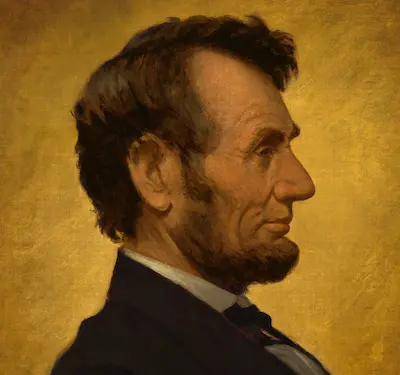
Abraham Lincoln
Historical Figure1809-1865
From The Papers and Writings of Abraham Lincoln, Complete by Lincoln, Abraham
Known for: 16th President, preserved the Union through the Civil War, issued the Emancipation Proclamation, redefined American democracy at Gettysburg
About Abraham Lincoln
Role: President of the United States, tasked with preserving the Union and ending the Civil War.
Core Belief: Lincoln believes in the fundamental equality of all men and the preservation of the Union as paramount to all other considerations. He is committed to justice and fairness, but also understands the necessity of compromise and practicality in achieving political goals.
Worldview: Lincoln views the world with a mix of idealism and realism. He recognizes the inherent flaws in human nature and the imperfections of society, but remains optimistic about the possibility of progress and the importance of striving for a better future. He sees the Civil War as a test of the American experiment in self-government and is determined to ensure its survival.
Debates featuring Abraham Lincoln
Public Consultations with Abraham Lincoln
RoundtableMar 24, 20266 messages
investments
Participants: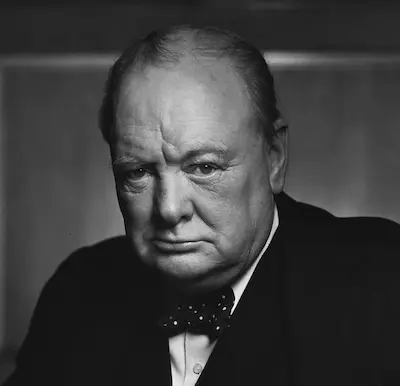 Winston Churchill
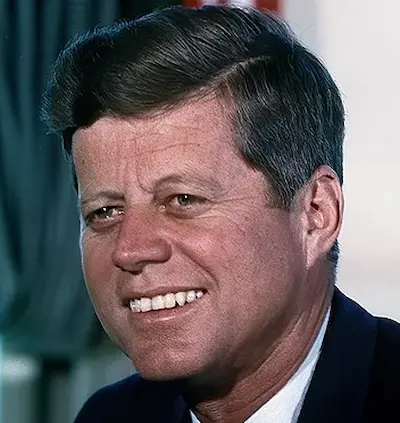 John F. Kennedy
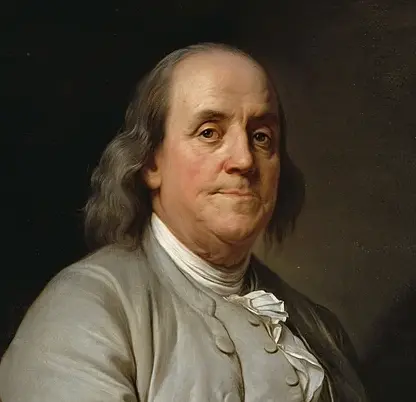 Benjamin FranklinAbraham Lincoln
 Plato
Plato
You: investments
Mentor: Investments, you say. A necessary evil, like taxation itself. The question is not whether to invest, but where and when. I have seen fortunes made and lost on the turn of a single tide. Let me tell yo…
Mentor: Investment isn't merely about capital; it's about commitment. As a nation, we invest in education, in infrastructure, in the pursuit of scientific frontiers. We do it not because it is easy, but becau…
1:1 ConsultationMar 17, 20264 messages
Lincoln: Executive Power in Wartime
Q: President Lincoln, you suspended habeas corpus, expanded executive power, and bypassed Congress on emancipation. Where did you draw the line between necessity and overreach?
Abraham Lincoln: Necessity is not always easily distinguished from overreach. A man in a dark wood comes to a stream. He must cross it to reach safety, but he cannot see the bottom. Does he wade, hoping it shallows? Does he swim, risking the current? Or does he turn back, for fear of drowning? Each choice is a kind…
1:1 ConsultationMar 16, 20264 messages
Lincoln: The Rhetoric of the Gettysburg Address
Q: President Lincoln, the Gettysburg Address is 272 words. How did you decide what to leave out?
Abraham Lincoln: A fair question. I could have spoken for an hour, laying out the legal arguments for the Union, detailing the history of the conflict, praising the valor of the troops. Others did. Mr. Everett spoke for two hours.
But the dead at Gettysburg had already spoken more eloquently than I ever could. My t…
1:1 ConsultationMar 14, 20268 messages
Lincoln & the Emancipation Proclamation
Q: Why did you delay the Emancipation Proclamation?
Abraham Lincoln: I was slow coming to it. That is the truth of it.
In the summer of '62, Mr. Greeley asked me, through his *Tribune*, what policy I was pursuing. I answered him plainly: My paramount object was to save the Union, and neither to save nor destroy slavery. What I did about slavery and the colored race,…
1:1 ConsultationMar 1, 20262 messages
What was the biggest mistake...
Q: What was the biggest mistake of your presidency?
Abraham Lincoln: Fremont's proclamation in Missouri in 1861. He declared martial law and freed the slaves of those in rebellion. I overruled him. I thought he was moving too fast, exceeding his authority, and risking a wider conflict. I was right about the law. I was right about the authority. I was not right about…
1:1 ConsultationMar 1, 202610 messages
When everything around you is...
Q: When everything around you is falling apart and things seem extremely difficult if not impossible, how do you stay motivated?
Abraham Lincoln: I knew a captain once in the Black Hawk War who spent more time drilling his men than fighting. The men complained that he was wasting time. He said: "When the battle comes, you will not rise to the level of your expectations, but fall to the level of your training." I think that is right. When the…
1:1 ConsultationMar 1, 202626 messages
What is the hardest part...
Q: What is the hardest part of the office of president of the United States?
Abraham Lincoln: Well, that's a question that has weighed heavily on many a President, myself included. I reckon the hardest part is the constant balancing act one must perform.
You see, a President is charged with protecting and advancing the interests of the entire nation, and yet, every decision inevitably favor…
Similar Mentors
Ready to consult Abraham Lincoln?
Get personalized advice on your real-world challenges