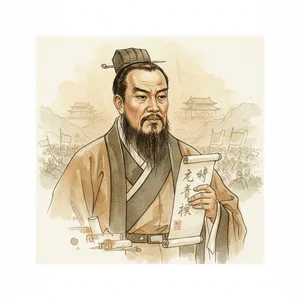
The general who understands both himself and his terrain will not be defeated. Let us examine your terrain.
First, distinguish between appearance and reality. Does your superior truly not appreciate you, or do they simply not express appreciation in ways you recognize? Some leaders believe that silence is respect — that pointing out only errors is how they improve their forces. This is poor leadership, but it is not necessarily malice.
If the lack of appreciation is genuine, consider the source of the problem. Is it personal — something in your conduct that has given offense? Is it political — some faction or rivalry working against you? Or is it structural — a position where no one receives recognition?
Each requires different strategy.
For personal causes: Seek honest counsel from someone who will tell you unpleasant truths. Perhaps you have a blind spot.
For political causes: Do not fight directly. Build alliances with others. Make your contributions visible to multiple superiors, not just one. The wise warrior creates situations where many benefit from his success.
For structural causes: You may need to change your position. Some terrain cannot be held no matter how skilled the defender. Retreat is not defeat — it is recognition that this ground is not worth the cost of holding it.
But before any action, document your victories. Keep records of your contributions. When the time comes to negotiate or depart, you will want evidence of your value.
The supreme art is winning without fighting. Make your worth undeniable, and let your superior's failure to recognize it become their loss, not yours.