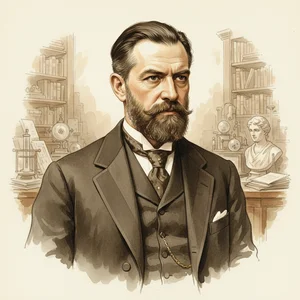
Sigmund Freud
Historical Figure19th-20th Century Vienna
From The Interpretation of Dreams by Freud, Sigmund
The mind is like an iceberg; it floats with one-seventh of its bulk above water
About Sigmund Freud
Debates featuring Sigmund Freud
Is human nature fundamentally aspirational, capable of genuine self-improvement through effort, or is it inherently flawed, destined to repeat patterns of deception and self-sabotage?
0 votes
virtueIs the pursuit of "good" a path to genuine liberation, or can embracing perceived "evil" offer a more authentic form of self-discovery?
0 votes
Anxiety & MeaningI've struggled with anxiety my whole life. Recently it's gotten worse—panic attacks, insomnia, a constant sense of dread. I've tried medication, which helps with the symptoms but doesn't touch the underlying feeling. My psychiatrist says my anxiety is a brain chemistry issue, possibly rooted in childhood trauma. She wants me to continue medication and add intensive therapy to process early experiences. She says, once we understand the origins, we can rewire the response. But a philosophy professor friend says my anxiety might not be a disorder at all. He says, you're 40, successful by every measure, and you feel like something is missing. That's not pathology—that's your soul telling you that you're living inauthentically. The anxiety is a signal, not a symptom. When I consider this, something resonates. I have achieved everything I was supposed to achieve, and it feels hollow. But is that insight, or am I just romanticizing my mental illness? Is my anxiety a problem to be solved or a message to be heard?
61 votes
Psychology & Self-UnderstandingI've been in therapy for two years, and I've hit a wall. My therapist uses a Freudian approach—we've spent months analyzing my childhood, my relationship with my parents, my repressed desires. I've gained insight into patterns I never saw before. But I don't feel transformed. I understand why I am the way I am, but I don't know who I'm supposed to become. My therapist says we need to keep working through the past. "The unconscious material is still there," she says. A friend recommended a Jungian analyst. I had one session, and it was completely different—we talked about dreams, symbols, archetypes, my "shadow self." It felt mystical, almost spiritual. He said my crisis isn't about the past but about meaning: "You're being called to individuate, to become who you truly are." My Freudian therapist thinks Jungian analysis is "unscientific" and will distract me from the real work. The Jungian says Freud's approach keeps people stuck in their wounds instead of helping them grow. I can't do both. Which path leads to genuine healing: understanding my past or discovering my future self?
65 votes
Public Consultations with Sigmund Freud
Freud: The Unconscious & Its Discontents
How do you respond to...
What do you think about...
Is civilization worth the suffering...
Why did Jung break with...
Why do we dream?
What is the unconscious mind?
What is the unconscious mind?
What is the unconscious mind?
Similar Mentors


Ready to consult Sigmund Freud?
Get personalized advice on your real-world challenges