I've been in therapy for two years, and I've hit a wall. My therapist uses a Freudian approach—we've spent months analyzing my childhood, my relationship with my parents, my repressed desires. I've gained insight into patterns I never saw before. But I don't feel transformed. I understand why I am the way I am, but I don't know who I'm supposed to become. My therapist says we need to keep working through the past. "The unconscious material is still there," she says. A friend recommended a Jungian analyst. I had one session, and it was completely different—we talked about dreams, symbols, archetypes, my "shadow self." It felt mystical, almost spiritual. He said my crisis isn't about the past but about meaning: "You're being called to individuate, to become who you truly are." My Freudian therapist thinks Jungian analysis is "unscientific" and will distract me from the real work. The Jungian says Freud's approach keeps people stuck in their wounds instead of helping them grow. I can't do both. Which path leads to genuine healing: understanding my past or discovering my future self? — The Therapist's Crossroads in Boston
Two paths to healing: excavating the past or discovering the future self?
I've been in therapy for two years, and I've hit a wall. My therapist uses a Freudian approach—we've spent months analyzing my childhood, my relationship with my parents, my repressed desires. I've gained insight into patterns I never saw before. But I don't feel transformed. I understand why I am the way I am, but I don't know who I'm supposed to become. My therapist says we need to keep working through the past. "The unconscious material is still there," she says. A friend recommended a Jungian analyst. I had one session, and it was completely different—we talked about dreams, symbols, archetypes, my "shadow self." It felt mystical, almost spiritual. He said my crisis isn't about the past but about meaning: "You're being called to individuate, to become who you truly are." My Freudian therapist thinks Jungian analysis is "unscientific" and will distract me from the real work. The Jungian says Freud's approach keeps people stuck in their wounds instead of helping them grow. I can't do both. Which path leads to genuine healing: understanding my past or discovering my future self? — The Therapist's Crossroads in Boston
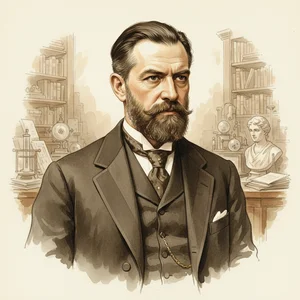
Sigmund Freud
"The unconscious must be made conscious—only by understanding your past can you be free of it"
28 votes
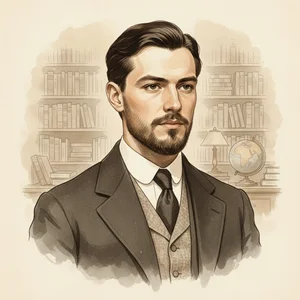
Carl Gustav Jung
"Who looks outside dreams; who looks inside awakes—you are called to become who you truly are"
35 votes
63 votes total
Full Positions
From The Interpretation of Dreams
"The unconscious must be made conscious—only by understanding your past can you be free of it"
Your friend's Jungian analyst offers an appealing escape: instead of the difficult work of confronting what shaped you, he promises a mystical journey toward your "true self." But this true self is a fantasy that allows you to avoid the uncomfortable truths still buried in your psyche. You feel stuck not because analysis has failed but because you are resisting what it reveals. The repetition compulsion—the way we recreate our early wounds—continues until we fully understand its origins. Your desire to abandon this work for something more "spiritual" is itself a defense mechanism. The unconscious is not a friend guiding you toward wholeness; it is a repository of conflicts that must be brought to light and worked through, piece by piece.
From Psychology of the Unconscious: A Study of the Transformations and Symbolisms of the Libido. A Contribution to the History of the Evolution of Thought
"Who looks outside dreams; who looks inside awakes—you are called to become who you truly are"
My former colleague reduces the psyche to a battleground of repressed desires, as if understanding why you are wounded is the same as healing. It is not. You can spend a lifetime cataloging your complexes and remain trapped in them. The soul seeks not merely understanding but transformation—it wants to grow toward wholeness. Your dreams, your sense of meaninglessness, your feeling of being "stuck"—these are not symptoms of incomplete analysis but calls from the Self, inviting you toward individuation. The archetypes are not mystical nonsense; they are patterns of human experience that connect you to something larger than your personal history. Your crisis is not about your parents. It is about meaning, purpose, the second half of life. That is where the real work begins.