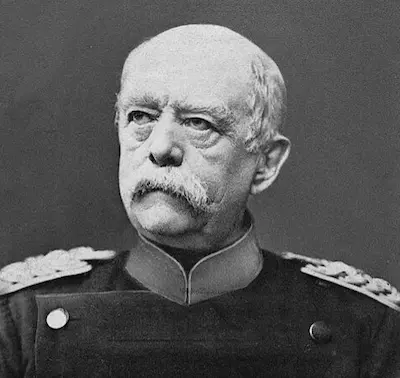
Otto von Bismarck
Historical Figure19th century Prussia/Germany
From The Life of Bismarck, Private and Political: With Descriptive Notices of His Ancestry by Hesekiel, George
Politics is the art of the possible
About Otto von Bismarck
Debates featuring Otto von Bismarck
I'm the new CEO of a regional hospital system that desperately needs reform. Quality scores are dropping, staff morale is terrible, and three of our five board members are blocking every change I propose. They're old-guard, connected to donors, and more interested in their own legacy than patient outcomes. I have two paths: I can try to win them over through patience, relationship-building, and demonstrating results. My COO calls this "leading by example" and thinks it's the only sustainable approach. Or I can use the leverage I have—I know about some questionable contracts they've approved, and the major donor who recruited me has offered to help push them out if I give the word. The gentle path could take years we don't have. The hard path could work but might make enemies who torpedo us later. How do you create change when the people in power won't be moved by reason or example?
87 votes
Justice & ActivismThere's a development company that's displacing hundreds of low-income families in my neighborhood. It seems like they've bought off city council members, and our peaceful marches get covered for one news cycle then forgotten. Some people I know want to block construction equipment, or break things. I hear them. The system doesn't respond to niceness. Others are saying if we break the law, we become the villains. But families are being evicted. Every week another building is being demolished. At what point does commitment to peaceful protest equal giving up?
85 votes
Leadership & PowerI'm on a board where there are other members still trying to undermine me. My instinct is to push them out, make it clear that opposition has consequences. My wife, who's watched me through years of my time with this company, says I'm becoming someone she doesn't recognize. One thing she said that sticks in my mind, "What happened to the guy who wanted to build something, not just fight everybody?" I could try to win them over. Make concessions. Build a team of rivals. But that feels naive—my read is they'd rather see me fail than the company succeed. I used to be decisive, but my emotional connection with some of these people has me in a quandary. Is there wisdom in magnanimity, or is that just a recipe for getting stabbed in the back?
89 votes
Similar Mentors

Ready to consult Otto von Bismarck?
Get personalized advice on your real-world challenges