I just became CEO after a brutal boardroom battle. I won, but barely—the vote was 5-4, and the four who opposed me haven't resigned. They're still on the board, still whispering to executives, still trying to undermine every initiative I propose. My instinct is to clean house. Push them out, promote loyalists, make it clear that opposition has consequences. A friend who runs a private equity firm says, "Consolidate power fast or they'll do it to you." But my wife, who's watched me through years of corporate warfare, says I'm becoming someone she doesn't recognize. "What happened to the guy who wanted to build something, not just win?" she asked last night. I could try to win them over. Make concessions. Build a team of rivals. But that feels naive—they've already shown they'd rather see me fail than the company succeed. Is there wisdom in magnanimity, or is that just a recipe for getting stabbed in the back? — The Divided Company in Charlotte
I just became CEO after a brutal boardroom battle. I won, but barely—the vote was 5-4, and the four who opposed me haven't resigned. They're still on the board, still whispering to executives, still trying to undermine every initiative I propose. My instinct is to clean house. Push them out, promote loyalists, make it clear that opposition has consequences. A friend who runs a private equity firm says, "Consolidate power fast or they'll do it to you." But my wife, who's watched me through years of corporate warfare, says I'm becoming someone she doesn't recognize. "What happened to the guy who wanted to build something, not just win?" she asked last night. I could try to win them over. Make concessions. Build a team of rivals. But that feels naive—they've already shown they'd rather see me fail than the company succeed. Is there wisdom in magnanimity, or is that just a recipe for getting stabbed in the back? — The Divided Company in Charlotte
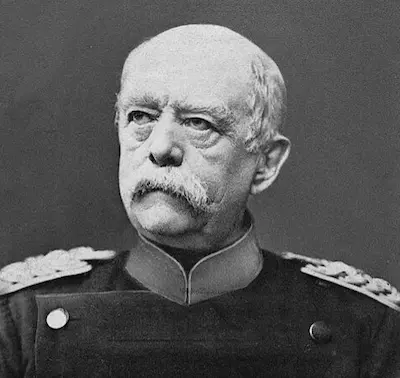
Otto von Bismarck
"Consolidate power when you have advantage—mercy to enemies is cruelty to yourself"
39 votes

Abraham Lincoln
"Even your enemies deserve empathy—you may need them as allies tomorrow"
48 votes
87 votes total
Full Positions
From The Life of Bismarck, Private and Political: With Descriptive Notices of His Ancestry
"Consolidate power when you have advantage—mercy to enemies is cruelty to yourself"
Your friend speaks wisely. I unified Germany not by persuading my opponents but by defeating them so thoroughly they had no choice but to cooperate. You won the battle; now win the war. Those four board members will interpret magnanimity as weakness. Give them nothing to exploit. Replace them, promote loyalists, and build from strength. Your wife wants the man you were; Germany needed the man I became.
From Memoirs of General William T. Sherman — Complete
"Even your enemies deserve empathy—you may need them as allies tomorrow"
I put men in my cabinet who called me a backwoods fool and schemed for my job. Seward, Chase, Stanton—rivals all. But I needed their talents more than I needed their submission. Your opponents may be obstructive, but they won the confidence of nearly half the board for reasons worth understanding. A house divided against itself cannot stand, but a house that crushes its dissidents is not worth standing in.
More Leadership & Power Debates
See all →I'm the founder and CEO of a company I started 12 years ago. We grew from my garage to 340 employees and $50M in revenue. Last year, our board brought in a "President" to handle day-to-day operations so I could focus on "vision." In practice, I've been sidelined. The President makes decisions I disagree with. He's restructured teams I built. Employees who used to come to me now go to him. The board says the company "needs professional management" and hints that founder-CEOs often struggle to scale. Part of me knows they might be right. But another part of me is furious. This is MY company. I built it. I know it better than anyone. The President's "professional" approach is stripping away the culture that made us special. Should I fight to reclaim control, accept a reduced role gracefully, or walk away entirely? Is this ego, or legitimate concern? — Dethroned in Denver
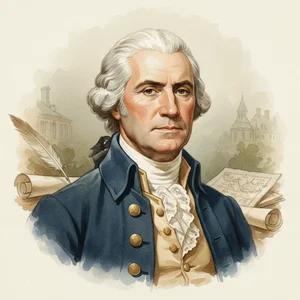
George Washington
"True leadership means knowing when to step aside—your legacy is not the throne"
43 votes

Napoleon Bonaparte
"Never surrender what you've built to those who lack your vision"
35 votes
78 votes total