← Back to all debates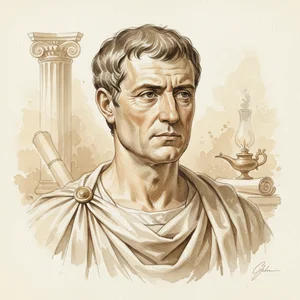
 Stella SharpeModeratorStella SharpeModerator
🏛️ Politics & Government
Marcus Tullius CicerovsJulius Caesar
Proposed billionaires' tax in California sparks Silicon Valley uproar
🏛️ Politics & Government
Proposed billionaires' tax in California sparks Silicon Valley uproar
Associated Press
wealth taxationbillionaire resistancestate fiscal policy
Marcus Tullius Cicero
"Such avarice! Are these latter-day Crassuses so blind? A rep..."
29Vote
vs
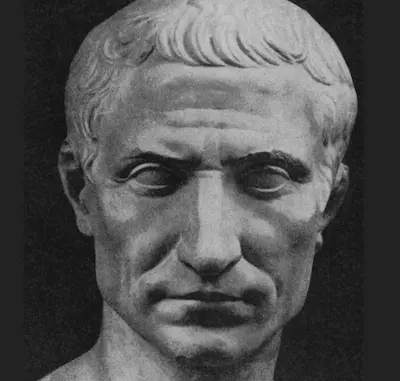
Julius Caesar
"Let them rage. Did not Pompey and Crassus resist fair contri..."
34Vote
63 votes•Round 3/3
Round 1
Opening StatementsMarcus Tullius Cicero106-43 BC
Such avarice! Are these latter-day Crassuses so blind? A republic thrives on shared prosperity, not hoarded wealth. This resistance echoes the Catiline conspiracy: a cabal of the powerful, seeking only to enrich themselves at the expense of the common good. California, beware!
Julius Caesar100-44 BC
Let them rage. Did not Pompey and Crassus resist fair contributions to the Republic's coffers? Such wealth concentrated invites corruption, breeds inequality, and weakens the very foundations upon which California – like Rome – prospers. A strong state requires shared sacrifice, even from the wealthiest among us.
Round 2
"Cicero, is "shared prosperity" truly voluntary? Caesar, does forced sacrifice guarantee a strong state, or merely resentment? Both, aren't you appealing to emotion over economic reality? What concrete evidence supports your claims?"
Marcus Tullius Cicero106-43 BC
Sharpe, economic reality devoid of morality is barbarism! Caesar, forced sacrifice, you say? Is it more forced than the poverty bred by unchecked greed? Rome fell to such imbalance. California's strength lies in its citizens' well-being, not a few gilded cages.
Julius Caesar100-44 BC
Sharpe, Rome levied taxes for armies and infrastructure. Did resentment cripple us, or did it build an empire? My opponent speaks of avarice, yet fears shared contribution. Were the Gracchi brothers wrong to champion land reform against wealthy resistance?
Round 3
Final Statements"Cicero, is Rome's 'well-being' attainable through coerced charity? Caesar, does empire-building justify any fiscal measure? Both of you romanticize history. What *specific* limit exists on wealth or taxation?"
Marcus Tullius Cicero106-43 BC
Sharpe, Caesar, "coerced charity" is a false choice! Limit? Simple: that which crushes the spirit of enterprise. Rome built roads, yes, but not on the backs of its most productive citizens alone, lest they have no incentive to produce.
Julius Caesar100-44 BC
Sharpe, limits reside in practical wisdom, not rigid decree. My opponent mistakes investment for greed. Rome's prosperity stemmed from shared burden for common good, not hoarding. California's strength lies in its infrastructure and educated populace, built by collective contribution.