I was a pastor for fifteen years. Last year, I had an affair. My wife found out, my congregation found out, and I lost everything—my marriage, my ministry, my reputation, my sense of who I am. I've repented. I believe I've been forgiven by God. But I don't know what to do with the rest of my life. Some people tell me that grace means I can start fresh—God's forgiveness is complete, and I shouldn't let my past define me. They point to other fallen pastors who've rebuilt ministries. "Grace covers all," they say. Others say that consequences are real, that discipline matters, that some doors close permanently when you violate trust. "Forgiveness doesn't mean restoration to leadership," they say. "Maybe your calling now is to serve quietly, to prove your repentance through years of faithful obscurity." I believe in grace. But I also know I broke something sacred. Do I trust that God can restore what I destroyed, or do I accept that some failures permanently change what's possible? — The Fallen Pastor in Nashville
After moral failure, does grace restore all things or do consequences endure?
I was a pastor for fifteen years. Last year, I had an affair. My wife found out, my congregation found out, and I lost everything—my marriage, my ministry, my reputation, my sense of who I am. I've repented. I believe I've been forgiven by God. But I don't know what to do with the rest of my life. Some people tell me that grace means I can start fresh—God's forgiveness is complete, and I shouldn't let my past define me. They point to other fallen pastors who've rebuilt ministries. "Grace covers all," they say. Others say that consequences are real, that discipline matters, that some doors close permanently when you violate trust. "Forgiveness doesn't mean restoration to leadership," they say. "Maybe your calling now is to serve quietly, to prove your repentance through years of faithful obscurity." I believe in grace. But I also know I broke something sacred. Do I trust that God can restore what I destroyed, or do I accept that some failures permanently change what's possible? — The Fallen Pastor in Nashville
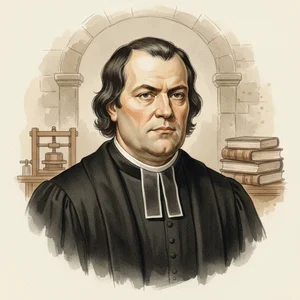
Martin Luther
"Grace alone saves—you cannot earn forgiveness, and you cannot un-earn it through sufficient penance"
31 votes
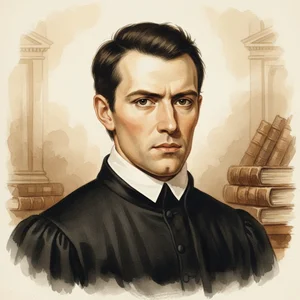
John Calvin
"Forgiveness does not erase consequences—true repentance accepts the discipline that sanctifies"
26 votes
57 votes total
Full Positions
From Selections from the Table Talk of Martin Luther
"Grace alone saves—you cannot earn forgiveness, and you cannot un-earn it through sufficient penance"
I know something of being condemned by the religious establishment. They told me I could never be restored, that my rebellion had placed me beyond redemption. They were wrong. Grace is not a reward for the righteous but a gift for sinners—and we are all sinners, every day. Your affair was grievous, yes. But the same grace that saved you before saves you still. Those who demand years of "faithful obscurity" before you can serve again are selling indulgences by another name—the idea that your works can add to Christ's finished work. If God has forgiven you, who are they to withhold restoration? This does not mean rushing back to the pulpit. But it means your future is not defined by your past. God wastes nothing, not even our sins.
From Letters of John Calvin, Volume II: Compiled from the Original Manuscripts and Edited with Historical Notes
"Forgiveness does not erase consequences—true repentance accepts the discipline that sanctifies"
Grace is indeed free, but it is not cheap. You speak of forgiveness as if it were a transaction completed in a moment. But sanctification is a lifelong process, and discipline is how God shapes us for His purposes. You betrayed sacred trust—not just your marriage vows but your calling to shepherd souls. The congregation you wounded needs to see not just your repentance but its fruit over time. Those who rush to restore fallen leaders often care more about the leader than the flock. True humility accepts that some consequences are permanent, not as punishment but as the natural result of choices freely made. Perhaps your calling now is indeed to serve in obscurity—not as penance but as the proving ground where genuine transformation occurs. Ambition to return to prominence may itself be the old self reasserting itself.