“All things work together for good to them that love God.”
“For of all sad words of tongue or pen, The saddest are these: "It might have been!"”
Imagine a talented musician who, plagued by self-doubt, never pursues their dream. Did a divine plan steer them toward a "better" path, as Uhland suggests? Or does Whittier's lament echo in their heart, a constant reminder of a life unlived? This tension between accepting what is and mourning what could have been lies at the heart of how we navigate loss, regret, and the very idea of a guiding purpose. Epictetus and Dostoevsky will grapple with whether surrendering to faith empowers us or robs us of our agency.


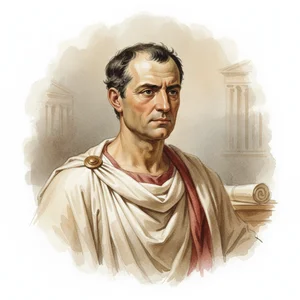
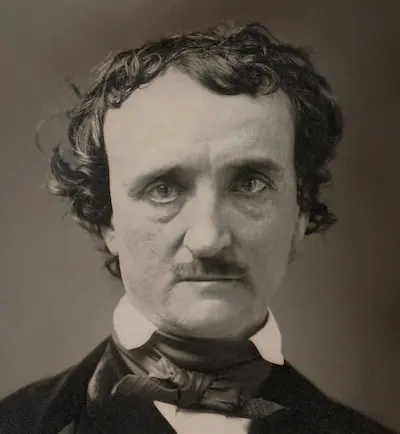
EpictetusvsFyodor Dostoevsky
Is embracing faith in a benevolent force a strength that allows us to find meaning in adversity, or a dangerous delusion that blinds us to the painful realities of missed opportunities and unfulfilled potential?
Whether embracing faith is strength or delusion depends entirely on what one seeks from faith. If a man uses faith as a physician uses medicine, to heal his judgments and clarify his understanding, then it is a strength. But if he treats faith as a refuge from reality, a place to hide from the consequences of his own choices, then it is a dangerous delusion indeed. I have seen men blame the gods for their misfortunes when the fault lies squarely in their own lack of discipline. I have told my students repeatedly that external events are indifferent. It is our judgment of them that brings us joy or sorrow. To surrender one's agency is not to find peace, but to become a plaything of circumstance.
Whether to embrace faith or face reality — as if these were enemies, and not two faces of the same coin, forged in the fires of human experience. The question is not whether faith is a strength or a delusion, but what kind of faith one chooses to embrace. A blind faith, a faith that ignores the suffering and injustice of the world, is indeed a dangerous delusion. It is the opiate of the masses, as some have said. But a faith born of wrestling with doubt, a faith that acknowledges the darkness and still chooses to see a flicker of light — that is the faith that sustains us in the face of adversity. I have stood before a firing squad, felt the cold steel against my skin, and known the utter absurdity of existence.
0 votes total