“All things work together for good to them that love God.”
“For of all sad words of tongue or pen, The saddest are these: "It might have been!"”
Imagine a promising young musician, struck by a sudden illness that robs them of their hearing. Uhland would suggest this tragedy, however incomprehensible, serves a greater, unknowable purpose for the faithful. Whittier, however, would argue that such a loss represents a permanent, unfillable void, a symphony forever silenced. Seneca, champion of stoic acceptance, and Poe, master of melancholic beauty, will now grapple with this essential question of perspective. At stake is whether we find solace in a grand narrative or honestly confront the sting of what is lost.
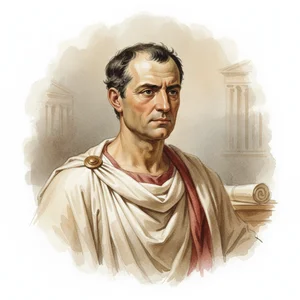
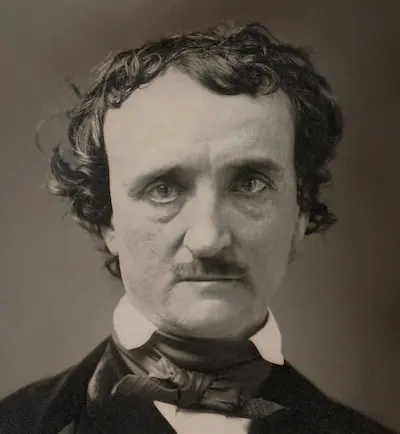
SenecavsEdgar Allan Poe
Is the comfort we take in believing events ultimately align with a divine plan a form of denial about the very real, lasting pain of unrealized potential?
That all things work together for good is a comforting fiction, best suited for children and those who fear the dark. The universe is not so tidy. To claim a divine plan in the face of a musician struck deaf is not faith, but cruelty disguised as piety. The pain of unrealized potential is real; a wound that festers because it is never allowed to heal. But wallowing in what "might have been" is no better. It is to become a prisoner of shadows, haunted by a past that cannot be altered. Accept what is, act wisely within its constraints, and find what good remains. This is not denial, but the only path to a life lived, rather than merely mourned. I prescribe action, not prayer.
That events align with a divine plan is a notion fit for the credulous, the feeble-minded who cannot bear the world's inherent chaos. To seek comfort in such a fiction is not merely denial, but a profound insult to genuine suffering. The musician robbed of his hearing—is this divine orchestration, or a cruel jest? In "The Fall of the House of Usher," I explored the idea of a family collapsing under the weight of its own history and decay. Was this part of a grand design, or simply the inevitable consequence of isolation and inbreeding? Virginia's death was not part of some divine poem. It was senseless, agonizing, a stark reminder of life's indifference. I'll sooner trust a raven's prophecy.
0 votes total