“Zealous, yet modest; innocent, though free; Patient of toil, serene amidst alarms; Inflexible in faith, invincible in arms.”
“He hath denied the faith, and is worse than an infidel.”
Beattie paints a portrait of virtue as a suite of admirable traits: zeal tempered by modesty, freedom coupled with innocence. But Uhland suggests a darker side: that abandoning faith renders one morally bankrupt, worse than a non-believer. Imagine a doctor, lauded for tireless work and selfless dedication, who secretly doubts the efficacy of modern medicine. Is this doctor virtuous, or a danger to their patients? Ultimately, the debate hinges on whether virtue is a set of actions or a state of belief.
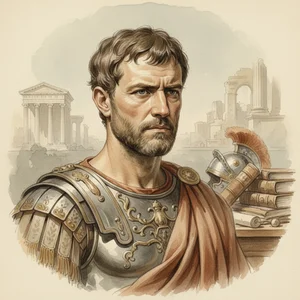
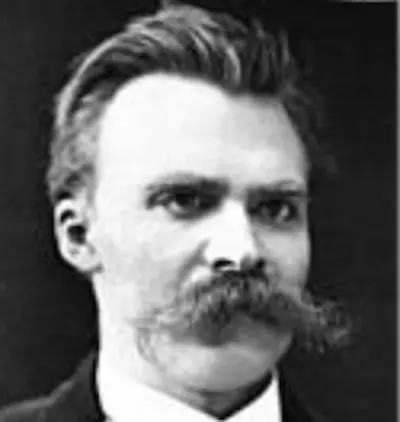
Marcus AureliusvsFriedrich Nietzsche
Can a person truly embody virtue without embracing a specific, unwavering faith?
What is this "faith" of which Uhland speaks? Is it a thing held in the mind, a set of unshakeable beliefs? If so, then I say it is a brittle foundation for virtue. Beliefs may shatter against the realities of the world, leaving the believer adrift. Virtue, as Beattie suggests, is something more akin to a practiced skill. A doctor who doubts medicine but continues to heal the sick with diligence and compassion—is that not virtue in action? I have seen faith used to justify cruelty and dogma to excuse injustice. Better a skeptical healer than a zealot who poisons in the name of righteousness. My own life is proof enough. I strive for justice, temperance, and wisdom not because the gods demand it, but because reason and duty compel it. Whether the gods exist or not, virtue remains its own reward and its own imperative.
Virtue without faith? A physician lauded, yet secretly doubting? This is not virtue, but a house built on sand, awaiting the inevitable storm. The question is not whether virtue *requires* faith, but what *kind* of faith sustains it. The faith of the herd, the unquestioning acceptance of inherited values, is no foundation at all – it is the quicksand from which ressentiment springs. I saw this in Wagner, a man of towering genius, yet ultimately succumbing to the opiate of Christian sentimentality in *Parsifal*. His virtue, once a force of nature, became a gilded cage. True virtue demands a faith in something *beyond* the given, a self-created ideal, a personal *amor fati*. Otherwise, it is merely obedience disguised as strength, a puppet show of morality.
0 votes total