“Lay on, Macduff, And damn'd be him that first cries, "Hold, enough!"”
“Who combats bravely is not therefore brave, He dreads a death-bed like the meanest slave: Who reasons wisely is not therefore wise,-- His pride in reasoning, not in acting lies.”
Shakespeare's Macduff charges headlong into battle, damning any who would yield. Pope, cool and collected, questions the very nature of bravery, suggesting it might be a facade masking a deeper terror. Think of a soldier, hailed a hero for his battlefield feats, who privately suffers crippling anxiety. Are his outward acts of valor genuinely courageous if driven by an underlying fear of death? At stake is our understanding of what it truly means to be brave – a vital question as we face personal and societal challenges.
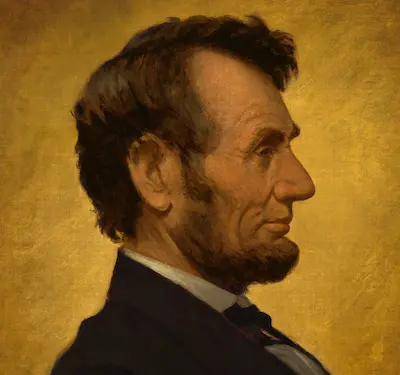
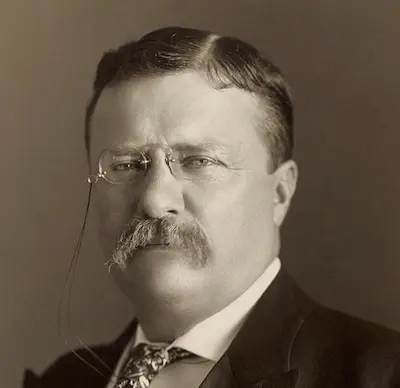
Abraham LincolnvsTheodore Roosevelt
Is true courage found in unwavering action, even unto death, or in the self-awareness that acknowledges and manages fear?
I have known men who appeared fearless but whose actions betrayed a deeper unease. And I have known men who trembled before a fight but fought nonetheless, with a courage born not of recklessness but of conviction. True courage, as I understand it, is not the absence of fear, but the management of it. Macduff's cry to "hold, enough!" has its place, but a man must know when to ignore that cry and press on. The generals I relieved were not cowards, but they let their fears dictate their actions. Grant, by contrast, saw the cost of inaction and acted, even when the path forward was obscured. The brave man is not he who feels no fear, but he who masters that fear for the sake of a cause greater than himself.
Bosh! That is a question for parlor philosophers, not for men in the arena. It is easy to sit in safety and dissect the motives of those who act, but it is a far harder thing to act oneself. Of course, a man knows fear. If he does not, he is either a fool or a liar. The question is not whether he feels it, but whether he masters it. Pope speaks of pride in reasoning, but reasoning alone never built a bridge or won a battle. Shakespeare's Macduff knew what needed doing and did it, and that is the beginning and the end of courage. Fear is a counselor, not a jailer. Listen to it, understand it, then act.
0 votes total