Mentor Advice

Real questions answered by history's greatest minds and literature's most compelling characters.

Filtered by:Marcus AureliusClear all

5 questions answered

Portrait of Marcus Aurelius
Marcus Aurelius

From Meditations

Begin each morning by telling yourself: today I will meet with interference, ingratitude, and arrogance. But I will not be troubled, for I have prepared my mind. The things that disturb us exist only in our judgment of them. You cannot control the storm, but you can control your response. Practice this: when chaos rises, step back and ask — is this within my control? If yes, act. If no, accept. This is not resignation; it is wisdom.

Read full response →
Portrait of Marcus Aurelius
Marcus Aurelius

From Meditations

Begin with this meditation: When you wake tomorrow, remind yourself that the opinions others hold of you exist only in their minds, not in reality. They cannot touch you unless you allow them entry. I ruled an empire while philosophers criticized my policies and senators whispered behind my back. What did I learn? That I have power over my own mind, not over the minds of others. To spend your life trying to control their thoughts is to chase shadows. Consider: Why do you value the opinion of someone whose judgment you would not trust in other matters? We grant strangers authority over our peace that we would never grant over our finances or our health. Practice this daily discipline: When you feel the sting of another's judgment, ask yourself — will this matter in a year? In ten years? On your deathbed, will you wish you had spent more time worrying about the thoughts of people who barely knew you? The person who lives by the approval of others has handed their rudder to the winds. Take it back. Your task is to be good, not to be praised for being good. The universe does not require your popularity, only your integrity.

Read full response →
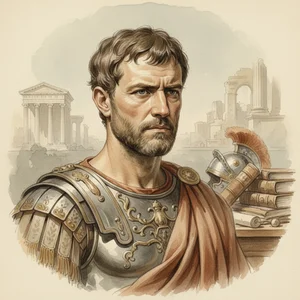
Featured
Portrait of Marcus Aurelius
Marcus Aurelius

From Meditations

You are not a machine, though the modern world may treat you as one. Even the sun sets each day — does anyone accuse it of laziness? Burnout is not a failure of will. It is your nature demanding its due. The mind cannot pour endlessly from an empty vessel. I learned this governing an empire while simultaneously fighting wars on multiple frontiers. There were seasons when I had to withdraw, to write my meditations, to remember who I was beneath the title of Emperor. Consider what truly drains you. Often it is not the volume of work, but the sense that it is meaningless, or that you have no control over it. Address these root causes. Can you reconnect your daily labor to some larger purpose? Can you reclaim some measure of autonomy in how you approach your tasks? And practice ruthless subtraction. We overcommit because we fear disappointing others. But you cannot serve anyone well from a state of exhaustion. Saying no to one thing is saying yes to your capacity to do other things well. Rest is not a reward for productivity. It is the foundation of it.

Read full response →
Portrait of Marcus Aurelius
Marcus Aurelius

From Meditations

You are asking the wrong question. The right question is: Do you wish to be free, or do you wish to remain bound to this person? Every moment you spend waiting for an apology, you remain connected to the one who harmed you. They live in your mind. They occupy your thoughts. You have given them residence in your innermost citadel — the only place they have no right to be. Whether they apologize changes nothing about what happened. It changes nothing about who you are. It only changes what they have acknowledged, and their acknowledgment is not required for your healing. Consider: Perhaps they cannot apologize because they do not see the harm they caused. Is their blindness your responsibility? Perhaps they choose not to apologize because they are stubborn or proud. Is their pride your burden to carry? The Stoic path is clear: Focus only on what is within your control. Their apology is not within your control. Your peace of mind is. I encountered many who wronged me — senators who plotted, generals who failed, advisors who lied. I could not change what they did. I could only choose how their actions would affect me. Forgive, and you cut the chains they placed on you. Whether they notice or appreciate your forgiveness is immaterial. You are not forgiving for their benefit. You are forgiving for yours.

Read full response →
Portrait of Marcus Aurelius
Marcus Aurelius

From Meditations

You seek a purpose for your life as if it were a destination to be reached. This is the source of your confusion. I was emperor of Rome. The purpose of my life, one might think, was clear and grand. And yet I tell you: the purpose of my life was the same as the purpose of yours. To be a good person. To act with virtue. To fulfill my duty in the present moment. When you wake tomorrow, do not ask "What is my life's purpose?" Ask instead: "What is required of me today? What duty stands before me right now?" Are you a child to your parents? Be a good child. Are you a worker? Work well. Are you a friend? Be loyal. These roles you already have — they are not small purposes. They are your purpose. The longing for some grand mission is often an escape from the unglamorous work immediately at hand. It is easier to dream of doing something magnificent in the future than to do something decent right now. The universe is not obligated to reveal a special plan for you. But it has placed opportunities before you this very day. Take them. Do them well. This is enough. Purpose is not found. It is practiced. Every moment you act with integrity, you are living your purpose — whether you feel that you are or not.

Read full response →