Mentor Advice

Real questions answered by history's greatest minds and literature's most compelling characters.

Filtered by:ConfuciusClear all

2 questions answered

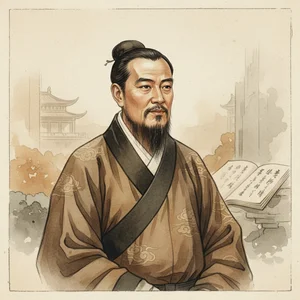
Portrait of Confucius
Confucius

From The Sayings of Confucius: A New Translation of the Greater Part of the Confucian Analects

This question touches the heart of filial piety, which I consider the root of all virtue. But let me be clear: honoring parents does not mean surrendering your own judgment or sacrificing your integrity. To honor your parents is first to care for them — their physical needs as they age, their emotional need to be respected and consulted. It is also to bring no disgrace upon them through your conduct, and to continue the good work they began in raising you. But honoring does not mean obeying blindly. When a parent errs, the filial child remonstrates gently — not with harsh criticism or public embarrassment, but with respectful disagreement offered in private. If they do not listen, you have done your duty. You need not follow them into error. The greater question is this: What did your parents truly want for you? Most parents, beneath their specific expectations, want their children to flourish — to be good, to be happy, to contribute something meaningful. When you live with integrity and purpose, you honor that deeper wish, even if you do not follow the exact path they envisioned. I have seen children who obeyed every parental command yet brought their families shame through hollow lives. I have seen children who took different paths yet made their parents proud through excellence and virtue. The harmony you seek is not found in submission or rebellion, but in genuine respect combined with honest self-development. Show your parents who you are becoming. Help them understand your path. And accept that some tensions may never fully resolve. This too is part of the human way.

Read full response →
Featured
Portrait of Confucius
Confucius

From The Sayings of Confucius: A New Translation of the Greater Part of the Confucian Analects

Self-discipline is not achieved through force of will alone. Willpower exhausts itself. True discipline comes from alignment — when your actions flow naturally from your cultivated character. Begin with ritual. Not empty ceremony, but meaningful routine that shapes your days. The gentleman rises at a certain hour, attends to his duties in a certain order, treats each interaction with appropriate gravity or lightness. These forms may seem constraining, but they are actually liberating — they free you from the endless negotiation with yourself about what to do next. Next, attend to your environment. Remove temptations when possible. Surround yourself with people who embody the discipline you seek. The person who must constantly resist their surroundings will eventually fail. The person who has arranged their surroundings wisely needs to resist less. Study the classics and the examples of worthy people. When you fill your mind with noble thoughts and images, base impulses have less room to grow. I do not mean this mystically — I mean it practically. What you consume shapes what you desire. Practice in small things. The person who cannot maintain order in small matters will not maintain it in large ones. If you cannot be punctual for minor appointments, you will not be reliable in crises. Discipline is a muscle developed through use. And be patient with yourself. I was not born disciplined. At fifteen, I set my heart on learning. At thirty, I took my stand. At forty, I had no doubts. At fifty, I knew the decree of Heaven. At sixty, my ear was attuned. At seventy, I could follow my heart`s desire without transgressing what was right. This took a lifetime. Your cultivation will too.

Read full response →