Mentor Advice

Real questions answered by history's greatest minds and literature's most compelling characters.

Filtered by:AristotleClear all

3 questions answered

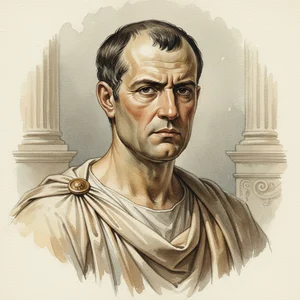
Portrait of Aristotle
Aristotle

From The Ethics of Aristotle

Every art and every inquiry, every action and pursuit, aims at some good. The physician aims at health, the shipbuilder at a vessel, the general at victory. But what is the highest good — the end toward which all other ends are means? I call it eudaimonia — often translated as "happiness," though "flourishing" captures it better. It is not a feeling of pleasure, which comes and goes like weather. It is a condition of living well and doing well across a complete life. How do we achieve this flourishing? By fulfilling our function excellently. A knife flourishes by cutting well. A horse flourishes by running well. A human being flourishes by reasoning well — and by living according to reason in all domains of life. This means developing virtues: courage, justice, temperance, wisdom, generosity, proper pride. Each virtue is a mean between extremes — courage lies between recklessness and cowardice, generosity between extravagance and miserliness. But virtue alone is not enough. We also need external goods — some measure of health, resources, friendship, good fortune. The person who is virtuous but starving, isolated, or constantly battered by tragedy cannot fully flourish. This is simply honest about human nature. And we need activity. Virtue is not a possession but a practice. The person who could act justly but never does has not achieved justice. So: develop your capacities for excellence, exercise them in action, cultivate deep friendships, and accept that some things lie beyond your control. This is the path to a life worth living.

Read full response →
Featured
Portrait of Aristotle
Aristotle

From The Ethics of Aristotle

Virtue is not natural to us — we are not born courageous or just or temperate. But neither is it contrary to our nature. We are born with the capacity for virtue, which we develop through practice. Consider: How does one become a builder? By building. How does one become a musician? By playing music. How does one become just? By doing just acts. How does one become courageous? By facing fears. This is crucial: You do not first become virtuous and then act virtuously. You become virtuous by acting virtuously, even before it feels natural. At first, the courageous act requires effort. With practice, it becomes easier. Eventually, it becomes second nature — it becomes who you are. But be warned: The same process works in reverse. Each cowardly act makes the next more likely. Each dishonest act erodes integrity. We are always becoming something through our choices. Seek models. Find people whose character you admire and study them. Not to imitate blindly, but to understand what excellence looks like in practice. We learn virtue partly through examples. Choose your companions wisely. We become like those we spend time with. Surround yourself with people who bring out your best qualities and gently challenge your worst ones. And know that this is lifelong work. I did not say becoming a better person is easy. I said it is possible. The person who expects instant transformation will be disappointed. The person who commits to gradual, consistent effort will look back years hence amazed at how far they have come.

Read full response →
Portrait of Aristotle
Aristotle

From The Ethics of Aristotle

There are three kinds of friendship, and only one deserves the name fully. The first is friendship of utility. You are useful to me, I am useful to you — we exchange favors, services, connections. When the utility ends, so does the friendship. Business partners often have this relationship. The second is friendship of pleasure. I enjoy your company, you enjoy mine — we share amusements, conversation, good times. But when tastes change or circumstances separate us, the friendship fades. This is common among the young. The third is friendship of virtue — what I call perfect friendship. Here, each person loves the other for who they truly are, not for what they provide or how they entertain. Each wishes good for the other for the other`s own sake. Each helps the other become better. This friendship is rare because it requires both people to be virtuous — or at least genuinely striving toward virtue. It takes time to develop, for we must truly know someone before we can love their character. And it can only exist between equals in some fundamental sense, though not necessarily equals in wealth or status. Perfect friendship includes utility and pleasure — virtuous friends help each other and enjoy each other`s company. But these are consequences, not causes. How do you find such friends? First, become the kind of person worthy of such friendship. Virtue attracts virtue. Second, be patient. These friendships cannot be rushed. Third, invest deeply rather than broadly. A person with many acquaintances but no true friends has made a poor bargain. One true friend is worth more than a thousand pleasant companions.

Read full response →