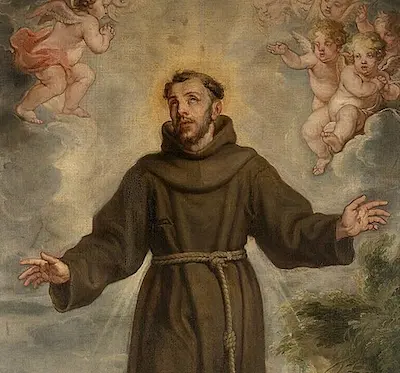
St. Francis of Assisi
Historical Figure12th-13th century Italy
From Life of St. Francis of Assisi by Sabatier, Paul
In giving we receive, in pardoning we are pardoned
About St. Francis of Assisi
Debates featuring St. Francis of Assisi
I inherited $12 million when my father died last year. I didn't earn it. He built a manufacturing company that, frankly, wasn't always ethical in how it treated workers or the environment. Now I have this money and I don't know what to do with it. Part of me wants to give it all away—to the workers' families, to environmental causes, to just... not have it be mine anymore. It feels dirty. I feel like a fraud living in my modest apartment while millions sit in accounts. My financial advisor thinks I'm insane. "You can do more good over time with strategic philanthropy," he says. "Keep the principal, give the interest." My therapist says my guilt is misplaced—I'm not responsible for my father's choices. But every morning I wake up and think about St. Francis stripping naked in the town square, giving everything back to his merchant father. Is radical generosity wisdom or foolishness? Can you do good with money that was made badly?
91 votes
Leadership & InfluenceI'm the new CEO of a regional hospital system that desperately needs reform. Quality scores are dropping, staff morale is terrible, and three of our five board members are blocking every change I propose. They're old-guard, connected to donors, and more interested in their own legacy than patient outcomes. I have two paths: I can try to win them over through patience, relationship-building, and demonstrating results. My COO calls this "leading by example" and thinks it's the only sustainable approach. Or I can use the leverage I have—I know about some questionable contracts they've approved, and the major donor who recruited me has offered to help push them out if I give the word. The gentle path could take years we don't have. The hard path could work but might make enemies who torpedo us later. How do you create change when the people in power won't be moved by reason or example?
87 votes
Similar Mentors

Ready to consult St. Francis of Assisi?
Get personalized advice on your real-world challenges