I founded a startup three years ago with a brilliant technical innovation. We raised $10 million, built a team of 30, and launched a product that reviewers loved. We're almost out of money. Our technology is still better than competitors, but our operations are a mess. Customer support is slow, billing is error-prone, deliveries are late. We're losing customers who love our product but hate the experience of being our customer. My CTO says we need to double down on R&D—our tech advantage is eroding, and the only way to survive is to stay ahead of competitors technically. "Operations can be fixed later. If we lose our innovation edge, we have nothing." My COO says the opposite: "The best product in the world doesn't matter if customers can't rely on us. We need to pause development, fix our operations, and build a company that can actually deliver what we promise." I don't have resources to do both well. The next six months will determine if we survive. Do I bet on innovation or operations? — The Struggling Startup in Austin
When resources are scarce, should a startup prioritize innovation or operations?
I founded a startup three years ago with a brilliant technical innovation. We raised $10 million, built a team of 30, and launched a product that reviewers loved. We're almost out of money. Our technology is still better than competitors, but our operations are a mess. Customer support is slow, billing is error-prone, deliveries are late. We're losing customers who love our product but hate the experience of being our customer. My CTO says we need to double down on R&D—our tech advantage is eroding, and the only way to survive is to stay ahead of competitors technically. "Operations can be fixed later. If we lose our innovation edge, we have nothing." My COO says the opposite: "The best product in the world doesn't matter if customers can't rely on us. We need to pause development, fix our operations, and build a company that can actually deliver what we promise." I don't have resources to do both well. The next six months will determine if we survive. Do I bet on innovation or operations? — The Struggling Startup in Austin

E.H. Harriman
"The secret is not to acquire cheap properties but to make them valuable—operations create durable advantage"
31 votes
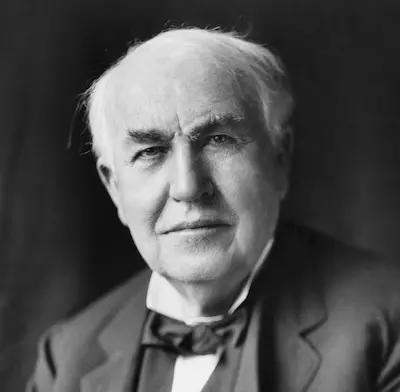
Thomas Edison
"Genius is one percent inspiration and ninety-nine percent perspiration—but without inspiration, you have nothing to perspire over"
33 votes
64 votes total
Full Positions
From High Finance
"The secret is not to acquire cheap properties but to make them valuable—operations create durable advantage"
Your CTO is chasing a mirage. Technical advantages erode no matter how fast you run—there is always someone smarter, better funded, working on the same problem. But operational excellence is cumulative and compounding. When I took over the Union Pacific, everyone told me to cut costs, to squeeze out profit from a deteriorating asset. Instead, I invested in the physical plant—better track, better equipment, better systems. The railroad became more valuable because it became more reliable. Your customers love your product but hate the experience. That hatred will overwhelm the love. Competitors with inferior technology but superior operations will take your customers and never give them back. Fix your operations. Make every customer interaction reliable. Build the boring, essential systems that let you actually deliver what you promise. The technical innovation will mean nothing if you cannot operate at scale.
From Historical Figures Collection
"Genius is one percent inspiration and ninety-nine percent perspiration—but without inspiration, you have nothing to perspire over"
Your COO counsels retreat—pause development, consolidate, become reliable. This is how companies die slowly instead of quickly. You raised money and hired people to build something new, not to become a competent administrator of the ordinary. Yes, your operations are a mess. They always are at this stage. The question is whether you have something worth operating. If your technology advantage erodes, you become just another struggling company with good operations competing against better-funded competitors with equally good operations. You lose. Your CTO is right: the innovation edge is everything. Do not pause development—accelerate it. Fix the most critical operational problems with the minimum necessary investment, and pour everything else into staying ahead technically. The customers who love your product will forgive slow support if you keep giving them reasons to love you. The customers who leave over billing errors were never going to be loyal anyway. Bet on what makes you special.