Should I shut up and get along with everyone else? Everyone at the company where I work seems to agree on everything. Meetings are just people nodding. When I raise questions or point out flaws in plans, I'm told I'm "not being a team player" or "bringing negativity." Last month I questioned whether our new product launch was ready—I had data showing quality issues. My boss said I was "creating obstacles." The product launched with exactly the problems I predicted. Nobody acknowledged I was right. I believe challenging ideas makes them stronger. But my "intellectual curiosity" is being framed as insubordination. Should I learn to shut up and go along, or keep pushing even if it damages my career? — The Only One Asking Why in Wichita
Challenging convention. Diderot's radical questioning meets Shaw's strategic provocation.
Should I shut up and get along with everyone else? Everyone at the company where I work seems to agree on everything. Meetings are just people nodding. When I raise questions or point out flaws in plans, I'm told I'm "not being a team player" or "bringing negativity." Last month I questioned whether our new product launch was ready—I had data showing quality issues. My boss said I was "creating obstacles." The product launched with exactly the problems I predicted. Nobody acknowledged I was right. I believe challenging ideas makes them stronger. But my "intellectual curiosity" is being framed as insubordination. Should I learn to shut up and go along, or keep pushing even if it damages my career? — The Only One Asking Why in Wichita

Denis Diderot
"Question everything, especially what you think you know"
38 votes
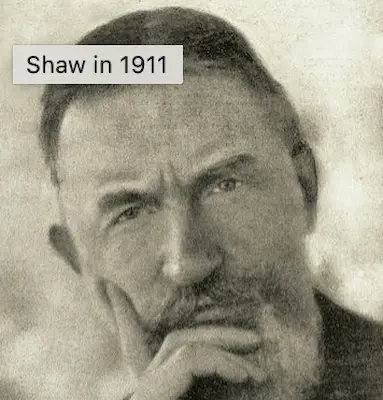
George Bernard Shaw
"The reasonable person adapts; the unreasonable one changes the world"
37 votes
75 votes total
Full Positions
From Voltaire: A Sketch of His Life and Works
"Question everything, especially what you think you know"
Knowledge should be shared freely, not hoarded by the powerful. Your questions threaten those who prefer comfortable ignorance. But martyrdom serves no one. Document your warnings. Build allies quietly. And consider: perhaps this organization does not deserve your clarity.
From George Bernard Shaw, his life and works : $b a critical biography (authorized)
"The reasonable person adapts; the unreasonable one changes the world"
Progress depends on the unreasonable. But provocation is an art, not a hammer. Your data was right; your delivery may have been wrong. Frame your challenges as questions that help leadership look good, not warnings that make them look foolish. Same message, different packaging.