I'm naturally blunt, sarcastic, and unconventional. At home, with friends, I'm loud and opinionated. I curse freely. I challenge everything. At work, I'm a different person. Polite, measured, careful. I laugh at jokes that aren't funny. I soften my opinions. I dress conservatively even though I hate it. I've been told I'm "professional" and "easy to work with." I'm also exhausted. My therapist says I'm living inauthentically and it's affecting my mental health. She wants me to "bring my whole self to work." But last month, a colleague who DID bring his whole self to work—including his tendency to speak bluntly—was put on a performance improvement plan for "communication issues." My partner says the workplace persona IS authentic—it's who I am when I'm being considerate of others in a professional context. "You're not fake; you're adaptable." But I don't know where the adaptation ends and the erasure begins. Am I showing respect for others by conforming, or losing myself to gain their approval? — The Office Chameleon in Chicago
Is workplace adaptation wisdom or self-erasure?
I'm naturally blunt, sarcastic, and unconventional. At home, with friends, I'm loud and opinionated. I curse freely. I challenge everything. At work, I'm a different person. Polite, measured, careful. I laugh at jokes that aren't funny. I soften my opinions. I dress conservatively even though I hate it. I've been told I'm "professional" and "easy to work with." I'm also exhausted. My therapist says I'm living inauthentically and it's affecting my mental health. She wants me to "bring my whole self to work." But last month, a colleague who DID bring his whole self to work—including his tendency to speak bluntly—was put on a performance improvement plan for "communication issues." My partner says the workplace persona IS authentic—it's who I am when I'm being considerate of others in a professional context. "You're not fake; you're adaptable." But I don't know where the adaptation ends and the erasure begins. Am I showing respect for others by conforming, or losing myself to gain their approval? — The Office Chameleon in Chicago

Emily Post
"Good manners reflect genuine consideration for others—adapting your behavior to context is not fakery but courtesy"
30 votes
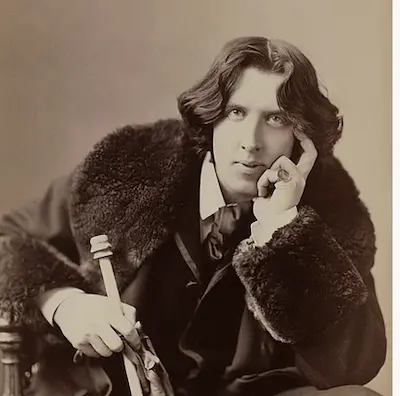
Oscar Wilde
"Be yourself; everyone else is already taken—most people are other people, their lives a mimicry"
34 votes
64 votes total
Full Positions
From By motor to the Golden Gate
"Good manners reflect genuine consideration for others—adapting your behavior to context is not fakery but courtesy"
Your therapist confuses authenticity with the absence of restraint. A person who curses freely at a funeral is not being authentic—they are being inconsiderate. The self you present at work is not false; it is the self that has learned to function in community with others who did not choose you as a friend. You adapt your speech when speaking to children, to elders, to strangers. Is that also erasure? The colleague on the performance improvement plan confused bluntness with honesty. True honesty includes awareness of impact. Your exhaustion may come not from adaptation but from resentment of it. If you can reframe professional courtesy as genuine care for your colleagues' comfort rather than suppression of your true self, the burden may lighten.
From Oscar Wilde, His Life and Confessions. Volume 2 (of 2)
"Be yourself; everyone else is already taken—most people are other people, their lives a mimicry"
Your partner offers a comfortable rationalization, but comfort is not truth. You know the difference between adapting and erasing. You feel the exhaustion that comes from performing a version of yourself designed entirely for others' approval. The colleague who got disciplined? He was punished for the crime of being visible. The reward for your performance is that you are invisible—pleasant, professional, forgettable. Is that what you want your working life to be? Your therapist is right: the cost of this performance is your mental health. The question is not whether to be authentic but whether you can afford to be authentic in this particular workplace. Perhaps you cannot. But then the answer is to find a workplace that can accommodate who you actually are, not to convince yourself that the mask is your real face.