I work for a company developing carbon capture technology. We believe we can reverse climate change through engineering—massive machines that pull CO2 from the atmosphere. If we scale successfully, we might save civilization. My neighbor is a permaculture farmer. He thinks we're insane. "You can't engineer your way out of a crisis caused by engineering," he says. "The answer isn't more technology—it's less consumption, smaller lives, returning to the land." He's not wrong that our lifestyle is unsustainable. But I've done the math. Eight billion people can't all become permaculture farmers. We can't degrow our way to survival. We need technological solutions. He's done the math too. Carbon capture at scale requires enormous energy, creates its own waste streams, and lets people avoid the harder changes. "It's a fantasy that lets us keep destroying the planet while feeling virtuous." I believe in human ingenuity. He believes in human limits. We both want to save the world but we can't both be right about how. Is the future going to be solved by more innovation or less consumption? — The Green Technologist in Boulder
Can technology solve the problems technology created?
I work for a company developing carbon capture technology. We believe we can reverse climate change through engineering—massive machines that pull CO2 from the atmosphere. If we scale successfully, we might save civilization. My neighbor is a permaculture farmer. He thinks we're insane. "You can't engineer your way out of a crisis caused by engineering," he says. "The answer isn't more technology—it's less consumption, smaller lives, returning to the land." He's not wrong that our lifestyle is unsustainable. But I've done the math. Eight billion people can't all become permaculture farmers. We can't degrow our way to survival. We need technological solutions. He's done the math too. Carbon capture at scale requires enormous energy, creates its own waste streams, and lets people avoid the harder changes. "It's a fantasy that lets us keep destroying the planet while feeling virtuous." I believe in human ingenuity. He believes in human limits. We both want to save the world but we can't both be right about how. Is the future going to be solved by more innovation or less consumption? — The Green Technologist in Boulder
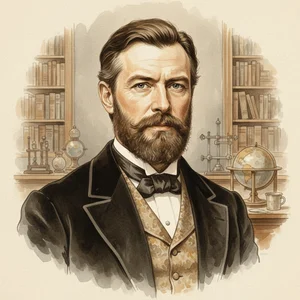
Jules Verne
"Anything one man can imagine, other men can make real—science leads little by little to the truth"
28 votes
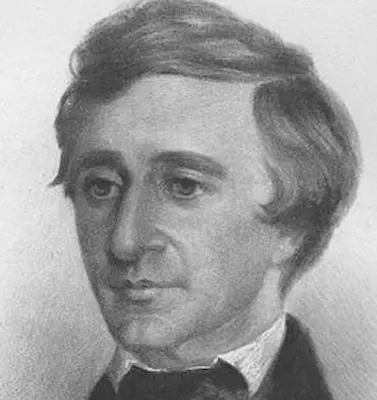
Henry David Thoreau
"Our life is frittered away by detail—simplify, simplify; we do not ride the railroad, it rides upon us"
33 votes
61 votes total
Full Positions
From Nellie Bly's Book: Around the World in Seventy-Two Days
"Anything one man can imagine, other men can make real—science leads little by little to the truth"
Your neighbor dreams of a world that cannot exist for eight billion people. His permaculture farm is beautiful and also irrelevant at scale. The math does not lie: we cannot return to the land because there is not enough land to return to. The only path forward is through, not backward. Yes, carbon capture requires energy and creates waste. So did the first steam engines. So did the first electric grids. Technology improves. It scales. It finds efficiencies that seem impossible until they are achieved. Your neighbor is right that we cannot engineer our way out while continuing to destroy. But the answer is not to abandon engineering—it is to engineer differently, to build systems that heal rather than harm. This is the great work of your generation. Do not let nostalgia for a simpler past distract you from it.
From Walden, and On The Duty Of Civil Disobedience
"Our life is frittered away by detail—simplify, simplify; we do not ride the railroad, it rides upon us"
Your neighbor understands something you have not yet grasped: the crisis is not merely technical. It is spiritual. We are destroying the planet because we have forgotten how to live within limits. Carbon capture does not address this—it reinforces it. It says: continue consuming, continue growing, and technology will clean up the mess. This is the same thinking that created the crisis. Eight billion people cannot all be permaculture farmers, you say. But eight billion people cannot all live like Americans either, and that is what your technology enables them to dream of. The math works only if we change what we want, not just how we get it. Your machines may buy time. But time for what? To continue the same patterns that require ever more elaborate interventions? At some point, the interventions fail. Simplicity is not nostalgia. It is survival.