My department's been dysfunctional for years, and I've just been promoted to lead it. The previous manager blamed the problems on the team. The team blames the previous manager. HR blames both. Everyone has a different story, and I don't know who to believe (or trust). I've been told to "fix the culture," but I'm not sure culture is the problem. It could be the systems are broken—unclear processes, contradictory incentives, no accountability mechanisms. When I suggested structural changes, people say I'm "not addressing the real issue" which is "trust". Do I focus on fixing the people and relationships, or do I redesign the systems and processes? Can you even have good culture without good systems? Or good systems without good culture? — Engineer Trying to Fix Humans in Hartford
Systems versus culture. James Watt's engineering mind meets Madison's institutional wisdom.
My department's been dysfunctional for years, and I've just been promoted to lead it. The previous manager blamed the problems on the team. The team blames the previous manager. HR blames both. Everyone has a different story, and I don't know who to believe (or trust). I've been told to "fix the culture," but I'm not sure culture is the problem. It could be the systems are broken—unclear processes, contradictory incentives, no accountability mechanisms. When I suggested structural changes, people say I'm "not addressing the real issue" which is "trust". Do I focus on fixing the people and relationships, or do I redesign the systems and processes? Can you even have good culture without good systems? Or good systems without good culture? — Engineer Trying to Fix Humans in Hartford
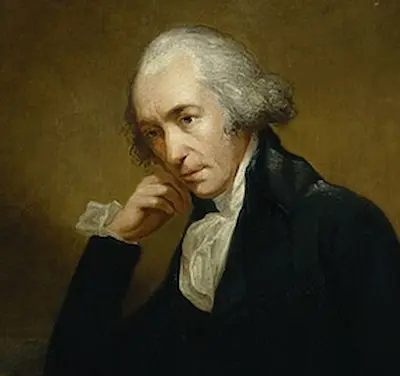
James Watt
"Improvement comes from careful refinement of what exists—study the problem before solving it"
49 votes
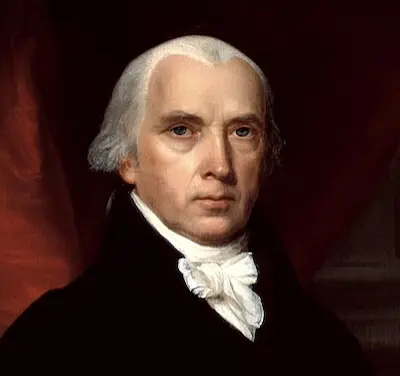
James Madison
"Good systems account for human weakness, not just human virtue"
41 votes
90 votes total
Full Positions
From James Watt
"Improvement comes from careful refinement of what exists—study the problem before solving it"
I did not invent the steam engine; I made it work by studying why it failed. Your instinct to examine systems is correct. Unclear processes create confusion; confusion creates blame; blame destroys trust. Fix the systems first. Trust often follows clarity.
From The Federalist Papers
"Good systems account for human weakness, not just human virtue"
Ambition must be made to counteract ambition. The best solutions balance competing interests. Your systems AND your culture are broken—they feed each other. Start with small wins: one clear process, one accountable metric. Let people experience success before demanding trust.
More Leadership & Management Debates
See all →My department is split over AI. I lead a department of 40 at a Fortune 500 company. The department is split down the middle: half believe we should aggressively adopt AI tools to stay competitive, half believe AI threatens their jobs and resist every initiative. The resisters aren't stupid—many are my most experienced people. They've seen "transformative" technologies come and go. But the adopters aren't wrong either—our competitors are moving fast and we're falling behind. I've tried compromise, pilot programs, training sessions. Nothing works. Both sides think I'm favoring the other. Morale is tanking. My best people on both sides are interviewing elsewhere. How do I lead when my team is genuinely, irreconcilably divided? Do I pick a side or keep trying to find middle ground? — Torn in Two in Toronto

Abraham Lincoln
"Hold firm to what matters most, but remain flexible on how you achieve it"
50 votes

Cleopatra VII
"Indecision is a decision to fail—choose and commit before the choice is made for you"
41 votes
91 votes total