I quit my lucrative tech job two years ago to live simply. I moved to a cabin in rural Oregon. I grow vegetables, read books, write in my journal. I've never been happier or more at peace. My old friends think I've lost my mind. "You're wasting your talents," they say. "You could be changing the world." They send me articles about effective altruism, about how high earners can do more good by donating than by volunteering. They're not wrong. I had skills. I had influence. I had a platform. Now I have tomatoes and solitude. But I was miserable before. I was contributing to systems I didn't believe in. My "impact" felt hollow because I didn't believe in what I was impacting. Now I live according to my values, but my values only affect me. Is a good life lived quietly a wasted life? Do I owe my talents to the world, or can I choose simplicity over significance? — The Successful Dropout in San Francisco
Is a good life lived quietly a wasted life?
I quit my lucrative tech job two years ago to live simply. I moved to a cabin in rural Oregon. I grow vegetables, read books, write in my journal. I've never been happier or more at peace. My old friends think I've lost my mind. "You're wasting your talents," they say. "You could be changing the world." They send me articles about effective altruism, about how high earners can do more good by donating than by volunteering. They're not wrong. I had skills. I had influence. I had a platform. Now I have tomatoes and solitude. But I was miserable before. I was contributing to systems I didn't believe in. My "impact" felt hollow because I didn't believe in what I was impacting. Now I live according to my values, but my values only affect me. Is a good life lived quietly a wasted life? Do I owe my talents to the world, or can I choose simplicity over significance? — The Successful Dropout in San Francisco
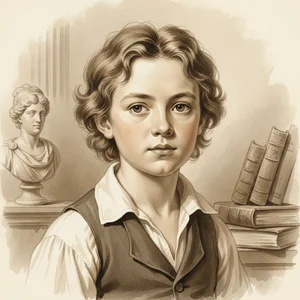
Johann Goethe
"One ought, every day, to hear a little song, read a good poem, see a fine picture—engage with culture and contribute to it"
26 votes
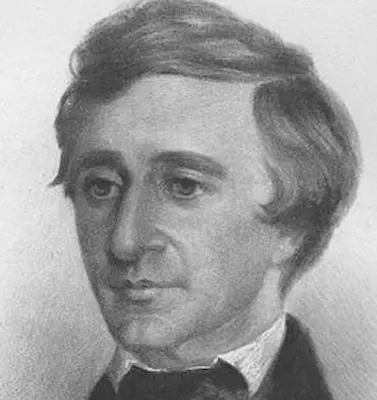
Henry David Thoreau
"Most people live lives of quiet desperation because they have accumulated obligations they never chose—simplify, simplify"
32 votes
58 votes total
Full Positions
From The Autobiography of Goethe: Truth and Poetry: From My Own Life
"One ought, every day, to hear a little song, read a good poem, see a fine picture—engage with culture and contribute to it"
Your friends are right to mourn your withdrawal, even if their language is wrong. You had gifts—skills, influence, a platform. These were not given to you for your private contentment. The world is full of people who cannot escape the systems you chose to leave. They lack the privilege of a cabin in Oregon. Your peace is purchased partly at their expense. I do not say you must return to the tech job you hated. But surely there is something between that misery and complete withdrawal? Use your talents in service of what you do believe in. Teach. Organize. Write for others, not just your journal. A garden is beautiful, but it feeds only you. The question is not whether you deserve peace—you do—but whether peace is all you are capable of offering.
From Walden, and On The Duty Of Civil Disobedience
"Most people live lives of quiet desperation because they have accumulated obligations they never chose—simplify, simplify"
Your friends send articles about effective altruism while living in their own quiet desperation. They call you wasteful because your choice indicts theirs. You were miserable, contributing to systems you did not believe in, and they are still there. Of course they must call your escape irresponsible—otherwise they would have to ask themselves why they remain. You do not owe your talents to the world. You owe them to yourself, to use as you see fit. The world is not improved by one more burnt-out professional doing work they hate while dreaming of tomatoes. It is improved by people who live according to their values, who demonstrate that another way is possible. Your cabin is not escape—it is testimony. Live it fully. That is contribution enough.