Six months ago I was diagnosed with a degenerative condition that will progressively limit my mobility. I'm 34. The doctors say I have maybe ten good years before I'll need a wheelchair, and the decline after that is uncertain. I've always been athletic—running, hiking, rock climbing. My identity is wrapped up in what my body can do. My friends are my adventure buddies. My career involves fieldwork. Some people tell me to fight—adapt equipment, find new sports, refuse to let this define me. "You can still live fully," they say. "Don't give up on anything until you absolutely have to." Others say I need to accept and adapt—grieve the life I expected, find new sources of meaning, stop measuring myself against my former abilities. "Fighting reality is exhausting," my therapist says. "Acceptance isn't giving up." But acceptance feels like surrender. And fighting feels like denial. How do I live fully in a body that's betraying me? Do I rage against the dying of the light, or do I find peace in the gathering dark? — The Diagnosis That Changed Everything in Denver
When facing irreversible loss, should we fight or accept?
Six months ago I was diagnosed with a degenerative condition that will progressively limit my mobility. I'm 34. The doctors say I have maybe ten good years before I'll need a wheelchair, and the decline after that is uncertain. I've always been athletic—running, hiking, rock climbing. My identity is wrapped up in what my body can do. My friends are my adventure buddies. My career involves fieldwork. Some people tell me to fight—adapt equipment, find new sports, refuse to let this define me. "You can still live fully," they say. "Don't give up on anything until you absolutely have to." Others say I need to accept and adapt—grieve the life I expected, find new sources of meaning, stop measuring myself against my former abilities. "Fighting reality is exhausting," my therapist says. "Acceptance isn't giving up." But acceptance feels like surrender. And fighting feels like denial. How do I live fully in a body that's betraying me? Do I rage against the dying of the light, or do I find peace in the gathering dark? — The Diagnosis That Changed Everything in Denver

Helen Keller
"Life is either a daring adventure or nothing at all—obstacles are meant to be overcome"
32 votes
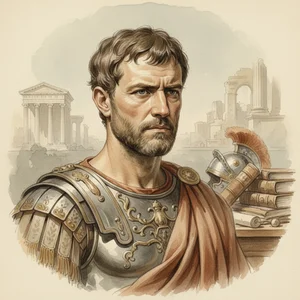
Marcus Aurelius
"You have power over your mind, not outside events—accept what you cannot change"
27 votes
59 votes total
Full Positions
From The Story of My Life: With her letters (1887-1901) and a supplementary account of her education, including passages from the reports and letters of her teacher, Anne Mansfield Sullivan, by John Albert Macy
"Life is either a daring adventure or nothing at all—obstacles are meant to be overcome"
I was told what I could not do before I could understand the words. Deaf. Blind. Hopeless. Every assumption about my limitations proved wrong—not because my limitations vanished, but because I refused to let them define the boundaries of my life. Your body is changing, yes. But you are not your body. You are the will that moves through it. Adapt your equipment. Find new mountains to climb, even if you must redefine what climbing means. The people who love you love your spirit, not your mobility. Ten good years? Make them extraordinary. And when the wheelchair comes, discover what adventures it makes possible. Surrender is a choice, not an inevitability.
From Meditations
"You have power over your mind, not outside events—accept what you cannot change"
You speak of fighting and acceptance as opposites. They are not. The wise person fights what can be changed and accepts what cannot. Your condition will progress—this is outside your control. Raging against this fact exhausts energy better spent elsewhere. But your response to it? This is entirely within your power. Acceptance is not surrender—it is clear sight. Only when you stop measuring yourself against your former abilities can you discover what you are now capable of. Your identity was wrapped up in what your body could do. Perhaps this is the deeper invitation: to discover who you are when that identity falls away. That discovery requires stillness, not combat.