Innovation & Persistence
The line between visionary and delusional. Edison's practical experimentation meets Tesla's idealistic vision.
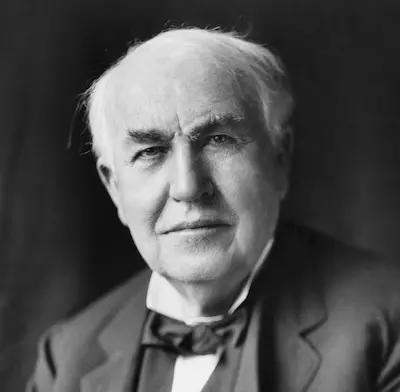

Thomas EdisonvsNikola Tesla
The Question
For three years I've been working on a software project that I believe could change how people learn languages. I've shown it to investors twice—both times they said it was "interesting but not ready." My savings are running out. My girlfriend thinks I should get a "real job" and work on this nights and weekends. My parents keep asking when I'm going to "settle down." Even my co-founder quietly took a full-time job last month. The thing is, I KNOW this works. I've tested it with 200 users and the results are remarkable. But I can't seem to communicate the vision in a way that makes others see it. Do I keep pushing, or is everyone right that I'm being delusional? How do I know the difference between visionary persistence and stubborn foolishness?
I have not failed. I've just found 10,000 ways that won't work. But I also knew when to pivot. The value of an invention lies in its practical benefit. Can you demonstrate that benefit in a way investors can measure?
40 votes
I too was told my ideas were impractical while others took credit for inferior solutions. Imagination and visualization are more important than rote experimentation. But even I had to eat. Perhaps secure your foundation while protecting your vision.
44 votes
84 votes total