“We mutually pledge to each other our lives, our fortunes, and our sacred honour.”
“Unwept, unhonour'd, uninterr'd he lies![341-2]”
Jefferson's words, echoing through centuries of American idealism, paint honor as a conscious bargain, a debt willingly paid with life itself.
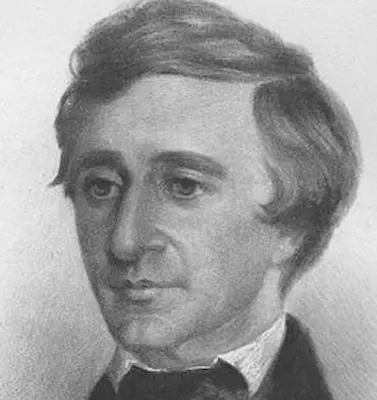
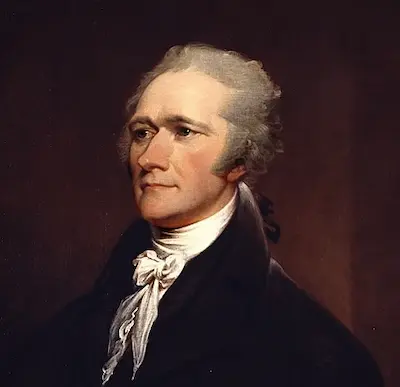
Henry David ThoreauvsAlexander Hamilton
Is honor a social contract we willingly enter, or a fleeting recognition granted (or withheld) by a fickle world?
Honor, like the pond in winter, presents a deceptive surface. Jefferson speaks of a pledge, a contract willingly entered, as if honor were a commodity to be bartered. But Pope's neglected soul reminds us that the world's esteem is as fickle as the wind. I say it is both, and neither. Honor is not a social bauble granted by the crowd, nor a mere agreement. It is the internal fealty to one's own truth, made visible through action. Did I seek honor when I refused to pay a tax to a government waging war and enforcing slavery? No, I sought only to live according to my conscience. The world may call it honor, or scorn it as defiance; its judgment matters little. The question is this: can you look within and find yourself faithful to the dictates of your own soul, regardless of the world's fickle gaze?
Honor is neither a social contract etched in stone nor a phantom favor bestowed by the crowd. It is a currency, and like any currency, its value is determined both by the issuer and the market. Jefferson's pledge is stirring, but a pledge is only as good as the solvency of the pledger. My own honor, such as it is, has been subject to precisely this tension. In publishing the Reynolds Pamphlet, I willingly sacrificed reputation—the fleeting recognition of the world—to defend my integrity. The world judged harshly, and perhaps justly. But I judged myself by a different standard, one rooted in the necessity of preserving the financial architecture I had built. Honor, then, is a balance sheet, constantly recalculated between internal conviction and external judgment.
2 votes total