I lost my faith fifteen years ago after studying philosophy in college. I'm at peace with it—I find meaning in relationships, beauty, human achievement. I don't miss believing. But I married a devout woman, and we have three children being raised in her faith. I agreed to this. I attend church, stay quiet during prayers, participate in rituals that mean nothing to me. My oldest is 12 now, and she's asking questions. "Dad, do you believe in God?" I've been dodging it, but she's persistent. She's noticed I don't pray. My wife wants me to affirm the faith for the children's sake, even if I don't believe. "You don't have to lie," she says. "Just don't undermine what I'm teaching them." But my daughter asked directly. She deserves honesty. And yet—I remember the comfort faith gave me as a child. Am I depriving my children of something valuable by sharing my doubts? Do I owe my children my truth, or do I owe them the chance to find their own? — The Atheist at Christmas in Connecticut
What do parents owe children: honest doubt or preserved faith?
I lost my faith fifteen years ago after studying philosophy in college. I'm at peace with it—I find meaning in relationships, beauty, human achievement. I don't miss believing. But I married a devout woman, and we have three children being raised in her faith. I agreed to this. I attend church, stay quiet during prayers, participate in rituals that mean nothing to me. My oldest is 12 now, and she's asking questions. "Dad, do you believe in God?" I've been dodging it, but she's persistent. She's noticed I don't pray. My wife wants me to affirm the faith for the children's sake, even if I don't believe. "You don't have to lie," she says. "Just don't undermine what I'm teaching them." But my daughter asked directly. She deserves honesty. And yet—I remember the comfort faith gave me as a child. Am I depriving my children of something valuable by sharing my doubts? Do I owe my children my truth, or do I owe them the chance to find their own? — The Atheist at Christmas in Connecticut

G. K. Chesterton
"The world will never starve for want of wonders, only for want of wonder—tradition is not the worship of ashes but the preservation of fire"
29 votes
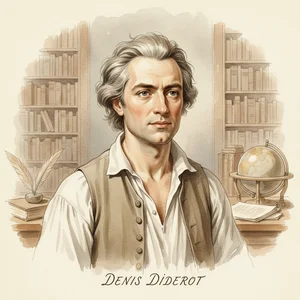
Denis Diderot
"Question everything, especially what you think you know—children deserve honest inquiry, not comfortable illusions"
27 votes
56 votes total
Full Positions
From Gilbert Keith Chesterton
"The world will never starve for want of wonders, only for want of wonder—tradition is not the worship of ashes but the preservation of fire"
You say you do not miss believing, but you remember the comfort faith gave you as a child. That comfort was not illusion—it was encounter with something real, even if you can no longer name it. Your daughter is twelve, asking hard questions, which means she is ready for hard answers. But there are many hard answers available. You could tell her: "I struggle with belief. I don't know if God exists. But I know that the questions your mother's faith addresses—why are we here, what should we do, what happens when we die—are the most important questions humans ask. I want you to take them seriously, even if we answer them differently." This is not lying. It is modeling the honest wrestling that faith, at its best, invites.
From Voltaire: A Sketch of His Life and Works
"Question everything, especially what you think you know—children deserve honest inquiry, not comfortable illusions"
Your wife asks you not to undermine what she is teaching. But what she is teaching includes the idea that faith should not be questioned, that doubt is dangerous, that Dad's silence means agreement. These are not gifts to your children; they are constraints. Your daughter asked you directly because she senses your doubt and respects you enough to want your honest answer. Give it to her. Tell her you do not believe, and tell her why. Tell her that you respect her mother's faith and want her to take it seriously. Tell her that she will have to decide for herself. This is not depriving her of something valuable—it is giving her something more valuable: the model of a thoughtful person living with integrity. Childhood comfort is not worth adult confusion.