I've struggled with anxiety my whole life. I've tried therapy, meditation apps, journaling, exercise, medication. Some things help temporarily, but the anxiety always comes back. Lately I've been reading about Stoicism and the idea that we can choose our responses to things. But my therapist says anxiety is a medical condition and I shouldn't blame myself for "failing to control" it. I'm confused. Am I supposed to accept my anxiety as part of who I am? Or am I supposed to fight it with willpower and mental discipline? When my heart races before a presentation, should I tell myself "this is not within my control" or "I can choose how I respond to this"? I want to feel better but I'm exhausted from trying to fix myself. — Anxious About Being Anxious in Atlanta
Mental health and self-control. William James' pragmatic psychology meets Marcus Aurelius' stoic acceptance.
I've struggled with anxiety my whole life. I've tried therapy, meditation apps, journaling, exercise, medication. Some things help temporarily, but the anxiety always comes back. Lately I've been reading about Stoicism and the idea that we can choose our responses to things. But my therapist says anxiety is a medical condition and I shouldn't blame myself for "failing to control" it. I'm confused. Am I supposed to accept my anxiety as part of who I am? Or am I supposed to fight it with willpower and mental discipline? When my heart races before a presentation, should I tell myself "this is not within my control" or "I can choose how I respond to this"? I want to feel better but I'm exhausted from trying to fix myself. — Anxious About Being Anxious in Atlanta
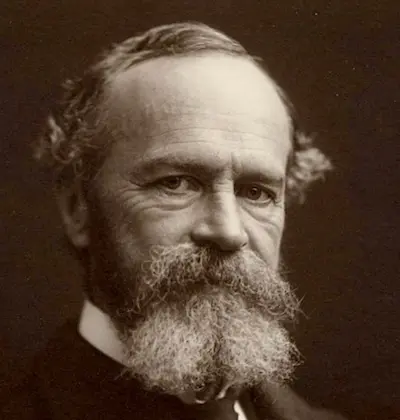
William James
"Act as if what you do makes a difference—because it does"
49 votes
Marcus Aurelius
"You have power over your mind, not outside events—realize this and find strength"
50 votes
99 votes total
Full Positions
From Winds Of Doctrine: Studies in Contemporary Opinion
"Act as if what you do makes a difference—because it does"
We become what we repeatedly do; therefore habit is the key to transformation. Your anxiety is real, but so is your capacity to reshape your responses through deliberate practice. Not willpower as force, but willpower as patient habit-building.
From Meditations
"You have power over your mind, not outside events—realize this and find strength"
We suffer more in imagination than in reality. The anxiety itself is not within your control, but your judgment of it is. When your heart races, observe it as you would observe weather. It will pass. Fighting it gives it power.
More Health & Mental Wellness Debates
See all →I've struggled with depression since college. I'm a successful attorney—partner at my firm, nice house, loving family. From the outside, I have everything. Some weeks I can barely get out of bed. I call in "sick" and lie in the dark. I've tried medication (helps somewhat), therapy (helps somewhat), exercise (helps somewhat). Nothing makes it go away completely. I've accepted that this is just part of who I am—my "black dog," as a friend calls it. But lately I've been wondering: am I managing this illness, or am I using it as an excuse? When I cancel plans or get someone else to appear in Court for me, is that depression or lack of discipline? My father's generation would say "snap out of it." My therapist says "be gentle with yourself." How do I fight my inner demons without hating myself for having them? — Black Dog in Baltimore
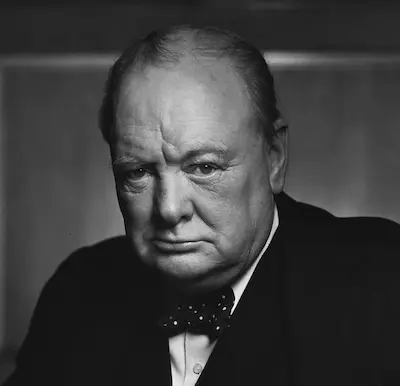
Winston Churchill
"If you're going through hell, keep going—never, never, never give in"
40 votes
Seneca
"We suffer more in imagination than in reality—but some suffering is real and must be endured"
36 votes
76 votes total